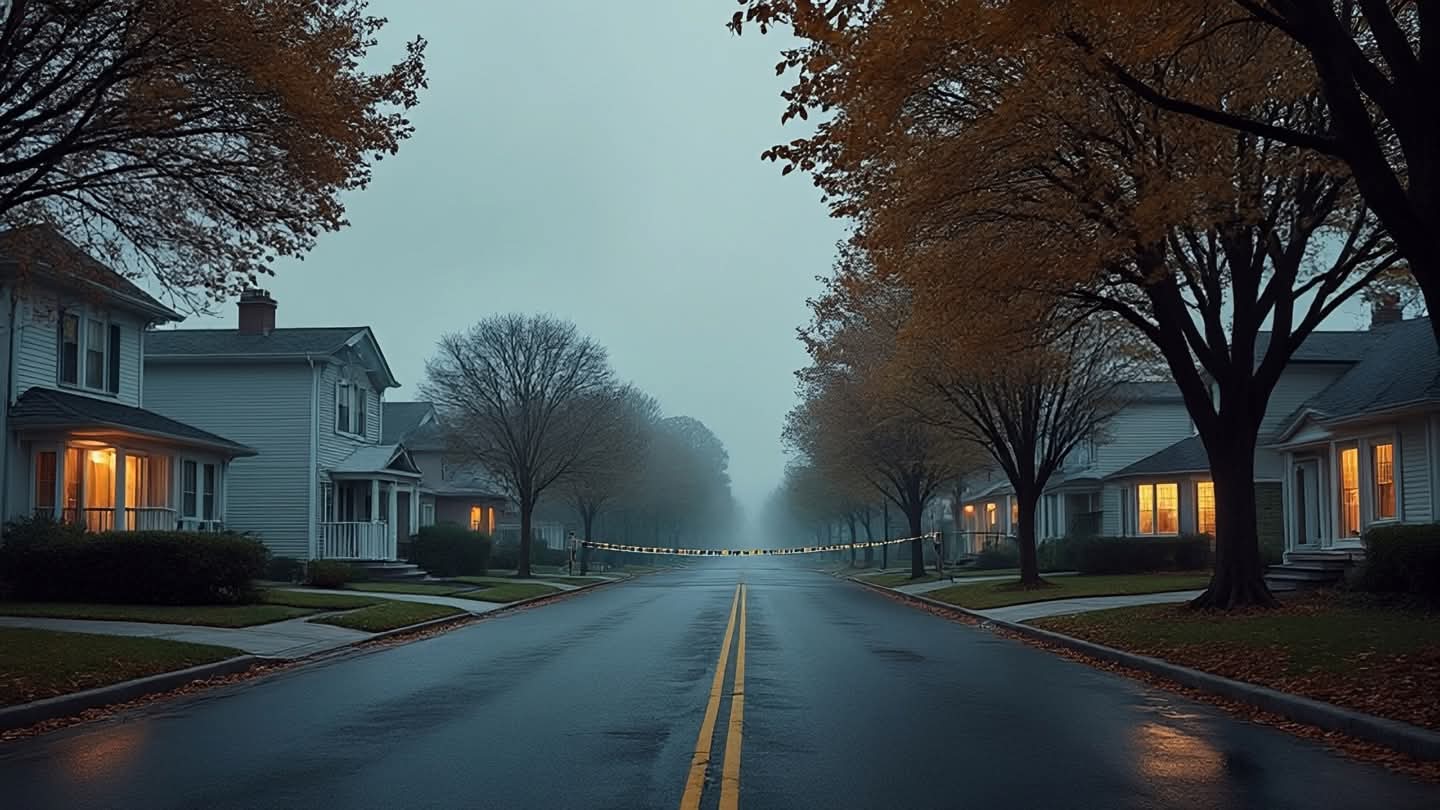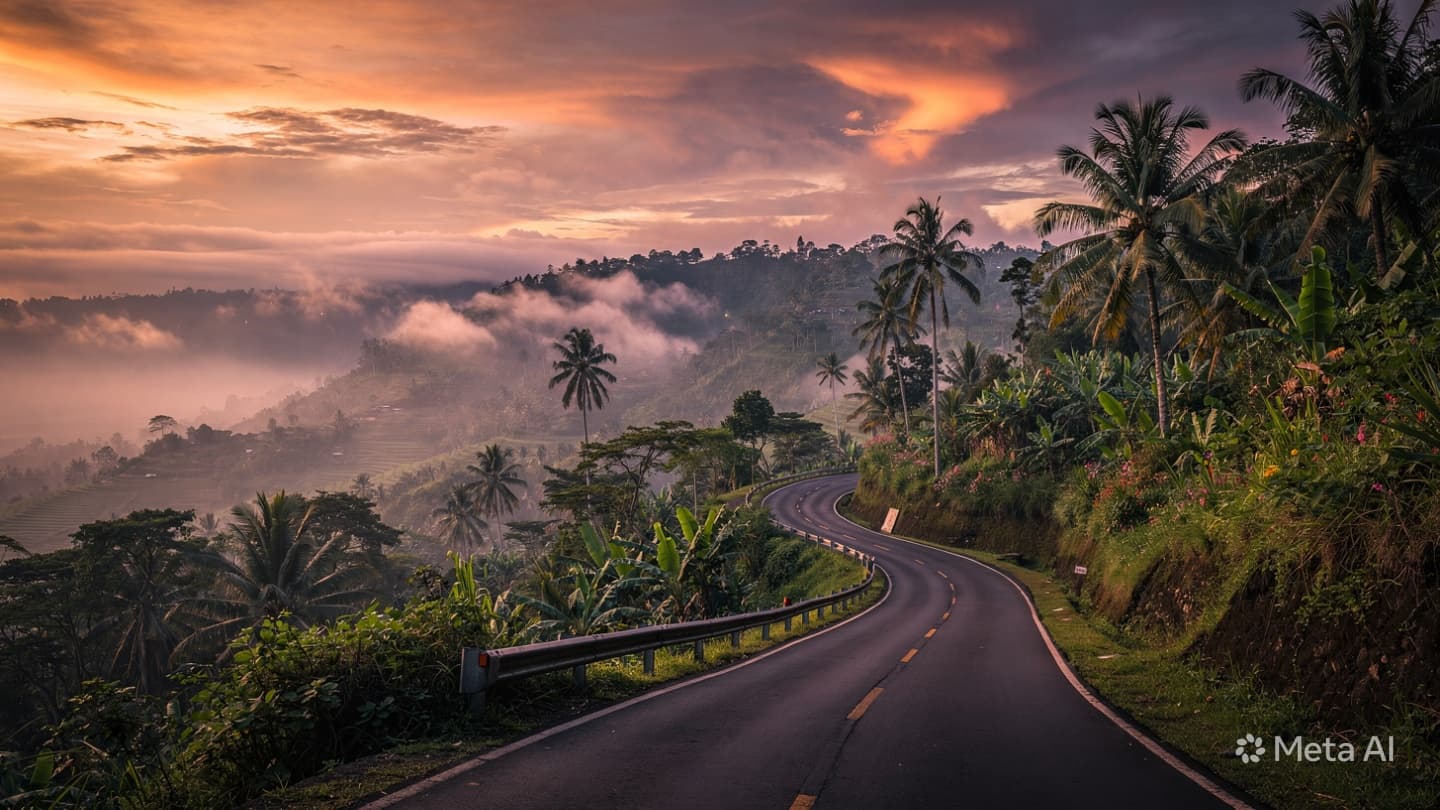
The landscape of Majalengka is defined by its sweeping vistas and the steady climb toward the mountains, a terrain that demands caution and reverence from all who traverse its winding arteries. When the metal and glass of a minibus navigate these slopes, they become part of a larger, delicate dance between human ambition and the unforgiving geometry of the earth. On June 17, 2026, this balance faltered, transforming a routine journey into a narrative of profound and sudden grief.
Travel is often viewed as a bridge between points, a duration of time spent in anticipation of arrival. Yet, the road possesses a temperament of its own, capable of shifting the focus from the destination to the fragility of the present. When a minibus suffered a fatal accident in Majalengka, claiming the lives of six travelers, the air in the surrounding valley seemed to thicken with the gravity of the news, stripping away the mundane purpose of travel to reveal the raw vulnerability of human life in motion.
Emergency crews were tasked with the solemn duty of responding to the site, navigating the wreckage to provide aid where possible and to honor the departed. The scene was one of overwhelming stillness, a jarring contrast to the kinetic energy that had characterized the vehicle’s progress only moments before. Each life lost represents a constellation of connections—families left behind, plans interrupted, and the quiet, collective shock that ripples through a community when such a tragedy unfolds within its borders.
Beyond the immediate mechanics of the crash, such events force a reflection on the nature of regional transit and the risks inherent in navigating the country’s varied geography. The mountains of Majalengka offer beauty but also challenges, where the margin for error is razor-thin. As the investigation begins to piece together the sequence of events, there is a somber acknowledgment that behind every statistic lies a complex human story, now brought to an abrupt and final conclusion.
As the day turns toward evening, the focus in Majalengka shifts from the urgency of rescue to the long, contemplative process of mourning. Officials work to ensure the victims are returned to their families, while the community seeks to find a way forward through the fog of sudden loss. The roads, which usually serve as conduits of connection and progress, remain for now as conduits of memory, bearing silent witness to the travelers who will never reach their intended horizon.
Published by Banx Network. This article is part of the Banx decentralized media programme, powered by the BXE token on the XRP Ledger.