The coastal villages of the western division possess an enduring, tranquil relationship with the Pacific, where palm-fringed shores meet an ocean that has defined local life for generations. Existences in these island communities move to the gentle, predictable rhythms of the tides, governed by the warmth of the sun and the shared security of communal gathering spaces. To an outside observer, the traditional and modern shelters rising along the hillsides appear entirely integrated into the landscape, a testament to island resilience. Yet, when a tropical storm system alters its trajectory over the open water, this intimate relationship turns into a scene of sudden, overwhelming vulnerability.
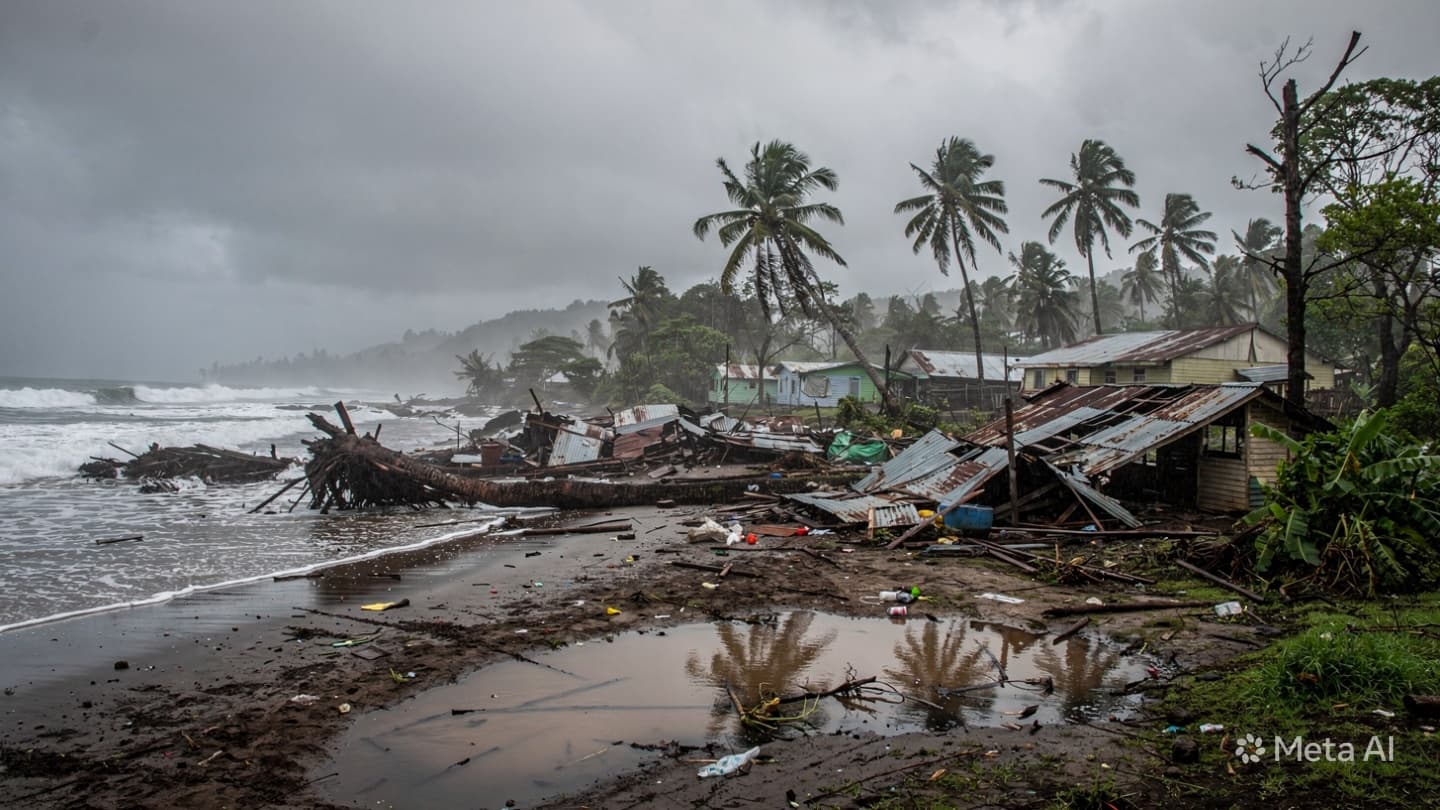
A rapid acceleration of maritime wind speeds carries a chaotic, compounding momentum that tests the absolute limits of architectural engineering and community safety plans. Unlike the predictable patterns of seasonal rain, a cyclone moves with a fierce velocity, its outer bands raking the corrugated iron roofs and concrete walls under a darkening sky. Within minutes, the physical pressures acting upon these communal structures are completely rewritten, transforming places of assumed sanctuary into zones of extreme mechanical stress. It is a transformation that occurs with terrifying speed, stripping away the visual landmarks of the village.
The transition from a cautious weather watch to a localized structural disaster occurs when the wind pressure breaches the primary roof fastings, lifting the metal sheets into the turbulent air. The initial failure of the roof structure carries a sharp, tearing sound that cuts through the roar of the gale, signaling that the building's internal stability has been compromised. In the absence of a horizontal ceiling, the vertical brick walls lose their lateral support, collapsing inward under the force of the wind. For those seeking shelter within the interior, the sudden failure of the masonry presents an immediate and insurmountable hazard.
When the storm bands finally migrated eastward toward the open sea, the true cost of the structural failure became painfully apparent among the debris. The discovery of a casualty beneath the fallen masonry brought a deep, heavy sorrow over the entire settlement, transforming the event from a material loss into an intimate tragedy. The surrounding palm trees, stripped of their fronds and bent by the force of the gale, stood as silent witnesses to the intensity of the event. The village grew still, save for the rhythmic crash of the residual surf and the voices of neighbors assessing the damage.
The loss of life within a communal haven carries a unique weight, representing a sudden puncture in the social safety net that sustains remote island societies. The structure was built by collective labor, intended to serve as a fortress against the very elements that ultimately caused its partial destruction. It forces an unspoken reflection on how quickly our protective physical architecture can fail when natural forces surpass historical thresholds. The remaining residents gathered in neighboring homes, looking out over the altered landscape with a quiet sense of exhaustion and shared grief.
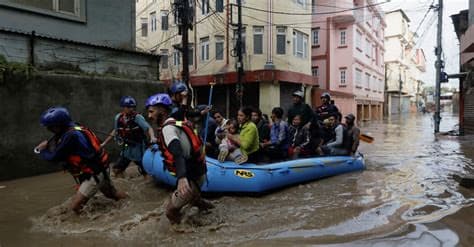
By afternoon, the regional emergency response units arrived in the sector, their vehicle lights introducing a modern, clinical presence to the debris-strewn village pathways. The work of clearing the blocked roads and securing the unstable walls was handled with a methodical focus, a necessary effort to prevent secondary accidents. Yet, despite the efficiency of the response, the emotional residue of the tragedy settles deep into the foundation stones of the community center. For the recovery teams, the documentation process is necessary, but the human cost of the failure is slow to dissipate from their thoughts.
The investigations carried out by construction inspectors are meticulous, examining the depth of the anchor bolts, the quality of the mortar, and the aerodynamic forces that caused the roof uplift. It is a necessary ritual of modern safety management, translating a morning of environmental crisis into a series of technical data points meant to reinforce building codes. The spacing of roof ties, the thickness of structural pillars, and the design of evacuation centers will all be re-evaluated in the wake of the disaster. But for the village council, the engineering reports provide no immediate remedy for the empty chair at the evening meeting.
Eventually, the debris will be cleared from the site, new concrete blocks will be laid, and a reinforced roof will be anchored to the structure. The community will gather once more within its walls for meetings, celebrations, and future storm watches, moving forward with the resilience that characterizes island life. But for a long while, the new stonework will stand as a somber monument to the unpredictable intersections of human construction and the raw power of the wind. It remains a quiet reminder that the elements retain their ultimate sovereignty over the coast.
The Fiji Village News Network confirmed that a severe tropical cyclone caused a catastrophic roof failure at a community shelter in the Western Division on June 13, 2026, resulting in one fatality. Official reports indicate that wind gusts exceeding one hundred kilometers per hour detached the corrugated iron roofing, causing the underlying brickwork to collapse into the main hall. Local emergency services extricated several residents from the debris, pronouncing one elderly individual deceased at the scene due to trauma from falling structural materials. The National Disaster Management Office has dispatched tents and relief supplies to support the displaced families.
Published by Banx Network. This article is part of the Banx decentralized media programme, powered by the BXE token on the XRP Ledger.