
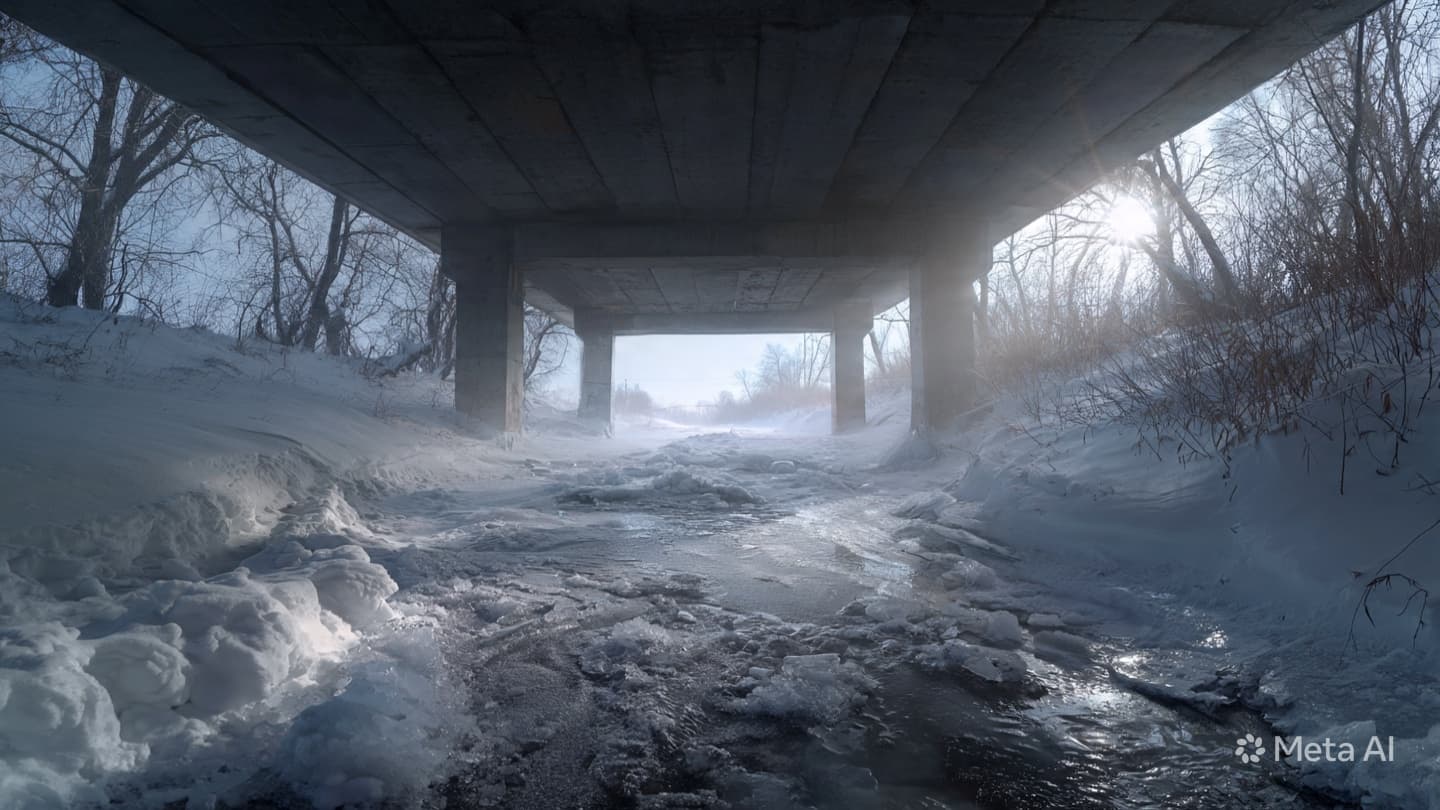
The road in Siberia is more than a path of travel; it is an endurance of geography, a winding ribbon of movement through a landscape that is vast, cold, and often indifferent to the human intent to traverse it. When a passenger bus travels these routes, it carries with it the warmth of a contained, collective journey—a transient community bound by a destination. To have that journey intercepted by a bridge collapse or a loss of control, sending the vehicle plunging into the frozen silence of a riverbed, is to face the raw, elemental power of the environment.
The images of the wreckage, resting against the jagged ice, serve as a stark, visceral reminder of our fragility within this northern landscape. The six lives lost are not just travelers; they are the sudden ending of stories that were intended to reach their end at a warm, welcoming arrival. For the fifteen individuals who survived the descent, the experience is one of profound, life-altering trauma, a moment where the world as they knew it flipped and fell into the dark, crystalline stillness of the riverbed.
Emergency crews descending upon the site perform the task of recovery with a solemn, urgent efficiency, their presence a contrast to the biting cold and the absolute silence of the scene. The recovery of the fallen is an act of deep, human necessity, a way of bringing those lost back from the indifference of the terrain. Their work, conducted under the watchful, frozen sky, is the anchor for the grief that will eventually follow the shock of the disaster.
The investigation that follows will parse the factors—the road conditions, the vehicle’s mechanics, the suddenness of the event—in an attempt to find the logic within the catastrophe. But for the families and the region, the logic is secondary to the loss. The bridge remains, the road continues its path through the snow, but the site of the plunge has become a milestone of tragedy, a point on the map where the rhythm of the journey was frozen in time.
As the region grapples with the aftermath, there is a reflection on the nature of our movement through this landscape. We rely on the infrastructure of the bridge and the machine of the bus to act as shields against the vastness, but the tragedy reminds us that these protections are not absolute. The riverbed, hidden beneath its veil of ice, is a reminder that we navigate a world that demands a constant, vigilant respect for its limits.
The memory of the crash will linger, a quiet shadow cast over the transit corridors of the region. It is a reflection on the cost of our mobility, and the reality that in this immense, unyielding world, every journey is a gamble against the elements. The passengers on the bus were bound by the shared hope of arrival, and now they are bound by the shared, somber history of a road that failed to provide the passage they were promised.
Emergency services in Siberia reported that a passenger bus lost control and plunged off a bridge, landing on a frozen riverbed below. The impact resulted in six immediate fatalities, while over fifteen passengers sustained injuries requiring urgent medical intervention. Local authorities and transport investigators have cordoned off the site to begin an analysis of road safety and vehicle compliance, noting that extreme weather conditions may have contributed to the loss of control.
Note: This article was published on BanxChange.com and is powered by the BXE Token on the XRP Ledger. For the latest articles and news, please visit BanxChange.com