
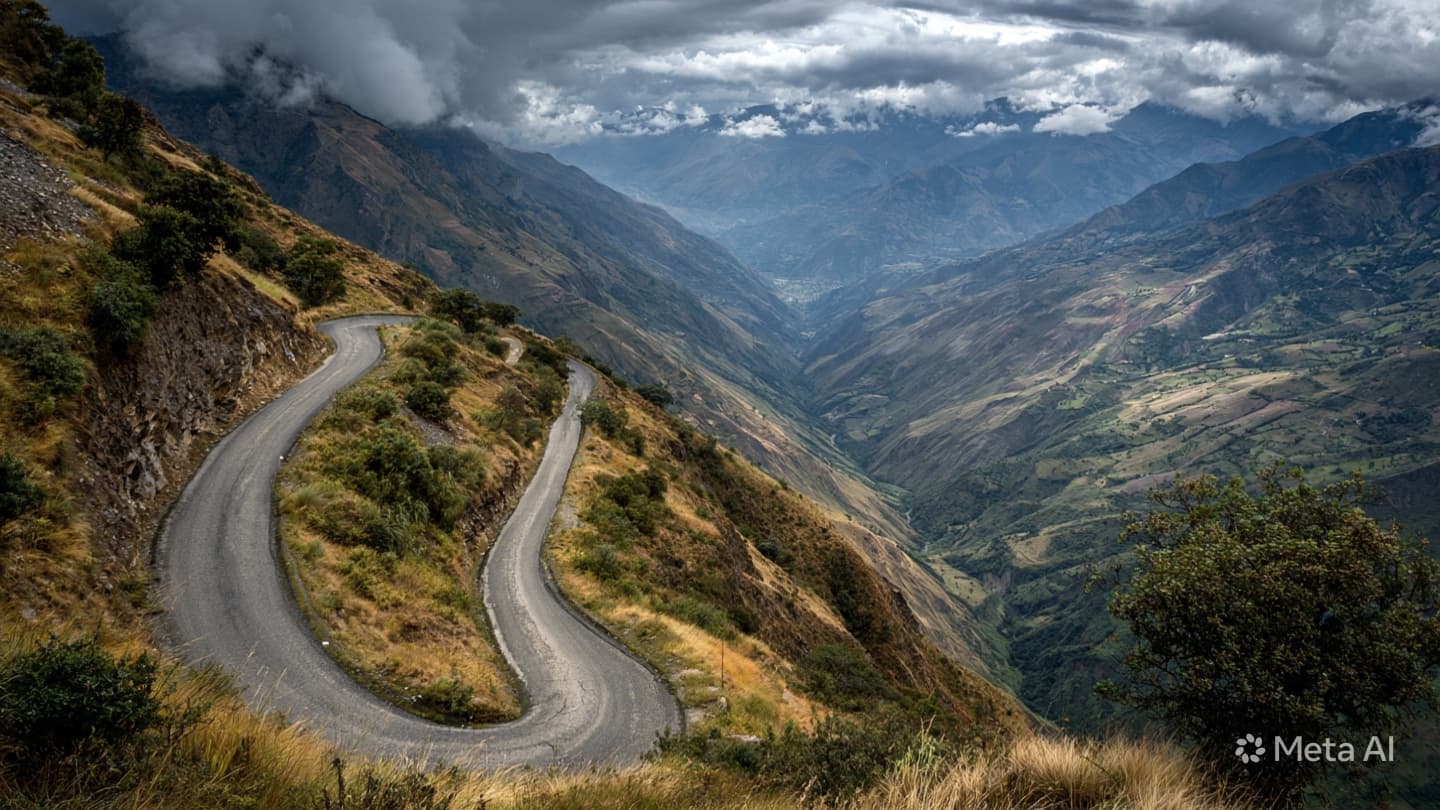
The Andean highways are the lifelines of the country, winding ribbons of asphalt that cling to the sides of some of the most formidable mountains on earth. It is a landscape of breathtaking scale, where the altitude and the incline demand a constant, rigorous level of attention. When a bus, a vessel for so many individual journeys, meets with disaster due to a mechanical failure, the tragedy is a stark, jarring reminder of the precarious balance we strike as we traverse these high-altitude paths. Fourteen lives have been lost, a collective loss that leaves a nation to mourn the sudden, unexpected end of their passage.
There is a grim, recurring pattern to such accidents on the mountain roads—a combination of the sheer difficulty of the terrain and the vulnerability of the machines we use to conquer it. When the brakes fail on a steep descent, the bus is transformed from a carrier of people into an instrument of kinetic tragedy. The passengers, who were simply moving from one place to another, find their fates tied to the mechanical integrity of a machine they have no control over. The loss of fourteen souls is a haunting echo of the risks that are inherent in our connectivity.
To reflect on this event is to look at the highway not just as a route of commerce and travel, but as a space that demands a higher standard of safety. The Andean roads are a testament to human engineering, but they are also a constant, unforgiving test of our commitment to maintenance, oversight, and the rigorous standards that protect those who travel them. The tragedy is an invitation to examine the policies and practices that govern our intercity transit, to ensure that every passenger who boards a bus can do so with the confidence that they will reach their destination.
The mourning of the families is a profound, individual sorrow that is amplified by the sheer scale of the accident. It is a loss that ripples through towns and cities across the country, as relatives receive the news that their loved ones will not be coming home. The collective response of the nation—the emergency workers who rush to the wreckage, the hospitals that mobilize to care for the injured, and the outpouring of support for the grieving—is a vital, necessary comfort in the face of such overwhelming loss.
As the investigation into the mechanical failure proceeds, the focus remains on the pursuit of truth and the implementation of measures that can prevent such a catastrophe from happening again. It is a slow, difficult process, one that requires the dedication of engineers, safety experts, and policymakers. Yet, the goal is clear: to reclaim the safety of the Andean highway, to make the passage between our cities a journey defined by security rather than risk, and to honor the memory of those who were lost by ensuring that their death serves as a catalyst for a safer future.
As the road continues to wind through the peaks, the memory of the fourteen passengers will endure in the quiet, reflective spaces of the national consciousness. Their lives, their stories, and their presence are a call to persevere in the search for a better way to move across the landscape, a way that respects the power of the mountains while prioritizing the life and dignity of every traveler. It is a journey that continues, one that looks toward a time when the Andean road is truly a path of passage, and never again a site of tragedy.
Authorities confirmed that fourteen passengers were killed when a bus collided head-on with another vehicle on an Andean highway following an apparent brake failure. The bus, which was navigating a steep mountain pass, lost control and veered into oncoming traffic, resulting in a high-impact crash that left dozens of other passengers injured. Emergency services and regional police were mobilized to the remote highway location to manage the wreckage and provide medical aid to the survivors. The transport ministry has launched an urgent audit of the bus line’s maintenance records and safety compliance protocols.
Note: This article was published on BanxChange.com and is powered by the BXE Token on the XRP Ledger. For the latest articles and news, please visit BanxChange.com