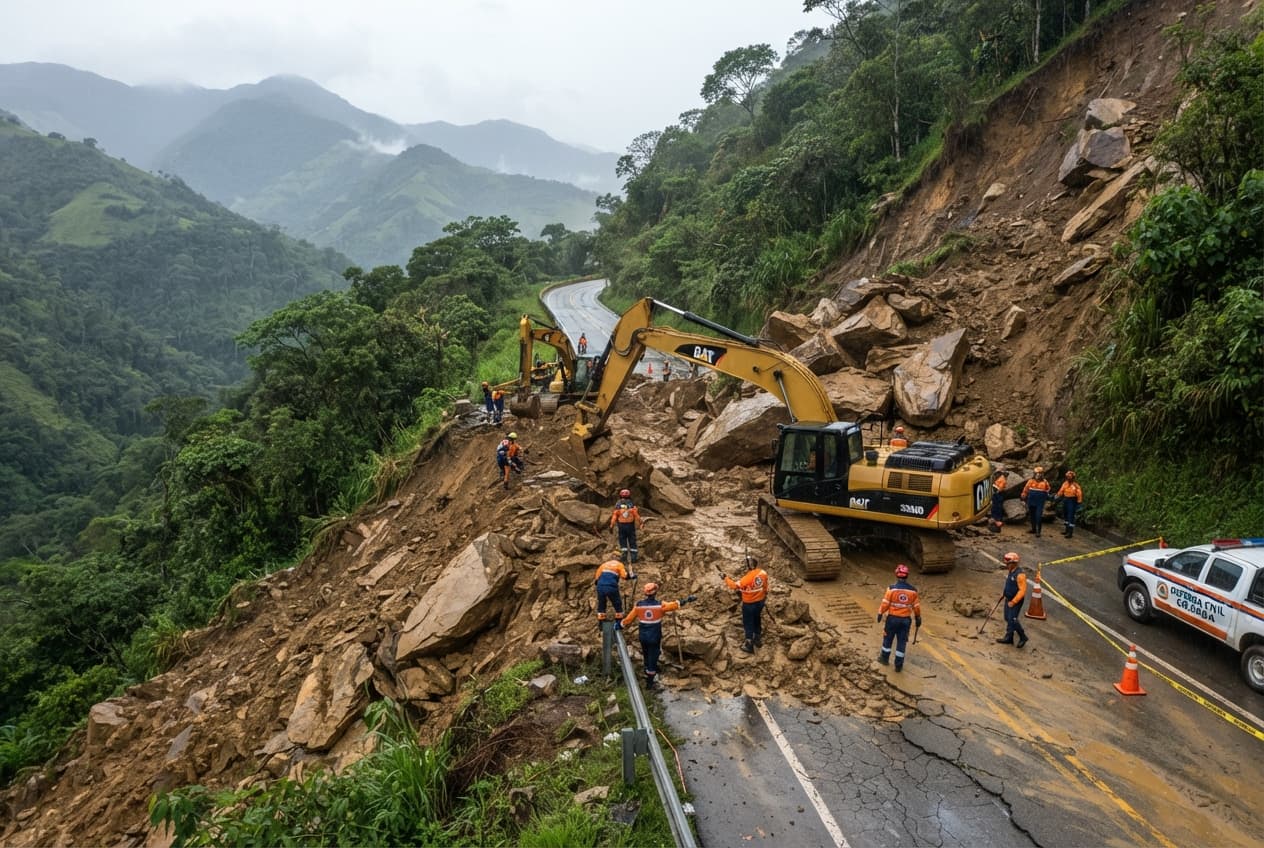
The memory of a river is long, etched into the very soil of the settlements that trace its winding course. For generations, these waterways have served as silent arteries, carrying the quiet pulse of commerce and life through the heart of the country. Yet, when the heavy rains come, the relationship changes, turning a predictable companion into an unpredictable force. The rising waters do not merely flood the banks; they reshape the boundaries between the land and the livelihoods built upon it. In the small hours of the morning, the steady rhythm of downpours alters the landscape, blurring the line where the river ends and the town begins. Riverside infrastructure, designed for calm waters, finds itself tested by a relentless weight. Docks groan under the pressure of shifting currents, and the pathways that once connected rural producers to broader markets vanish beneath a brown expanse. It is a slow, quiet disruption, felt most acutely by those who rely on the water's steady flow. Logistics, often spoken of in the abstract, is a deeply physical reality in these riverside communities. A broken crane, a submerged loading bay, or a washed-out access road halts the movement of essential goods. The cargo vessels that usually glide effortlessly past the trees now sit idle, their captains waiting for the currents to subside. This stillness carries its own economic weight, accumulating hour by hour as the water refuses to recede. The vulnerability of these inland waterways speaks to a deeper tension between human ambition and the natural world. Settlements grew along the banks precisely because the water offered a gateway to the world, a way to move timber, grain, and fuel across vast distances. Now, that same proximity introduces a profound fragility, as weather patterns challenge the permanence of concrete and steel structures. Engineers and local laborers work in the damp air, trying to reinforce what remains of the shifting foundations. Sandbags are stacked against the encroaching tide, a temporary barrier against an immense volume of water moving toward the sea. The mud clings to boots and machinery, slowing the pace of repair while the rain continues to fall intermittently from a gray sky. There is an atmosphere of weary resilience in the air, a sense that this is a cycle witnessed before, though perhaps not with this intensity. The older residents watch the water markers with practiced eyes, measuring the disaster not in statistics, but in inches against the foundations of their homes. Every inch gained is a further delay in the return to normalcy, a longer pause for the local economy. As the days wear on, the systemic nature of the damage becomes clearer, revealing how a failure at one river port ripples through the entire supply chain. Inland navigation relies on a delicate balance of depth and stability, both of which are undone when the riverbeds shift and debris clogs the channels. The physical toll on warehouses and distribution centers along the banks will take months to properly assess. In the final analysis, recovery remains tethered to the whims of the changing seasons. National transport authorities have confirmed that significant portions of the northern river network remain closed to commercial traffic due to structural failures at key distribution nodes. Civil defense teams continue to monitor the integrity of riverside retaining walls as regional meteorological agencies predict a slow lowering of the water levels over the coming week.
Published by Banx Network. This article is part of the Banx decentralized media programme, powered by the BXE token on the XRP Ledger.