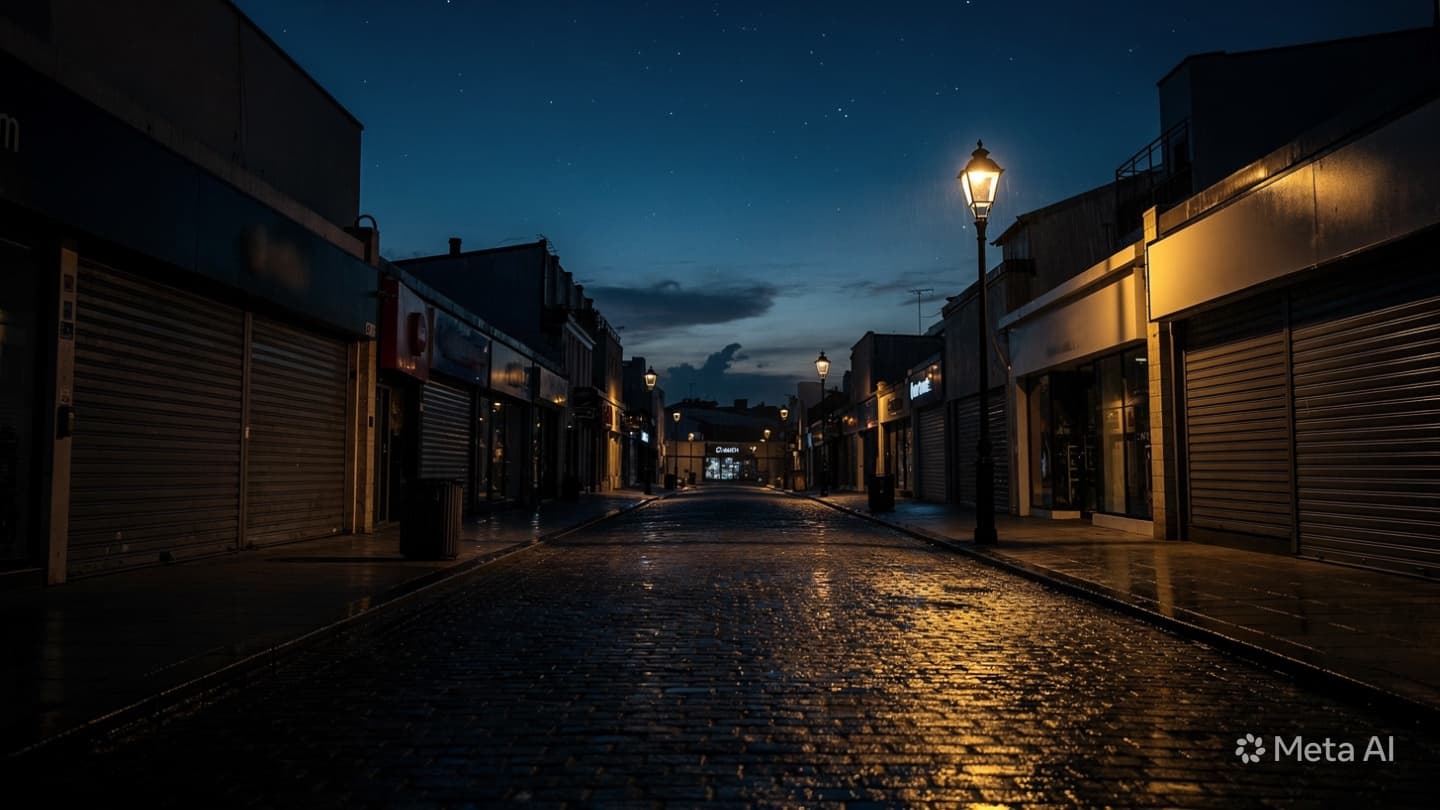
The climate of the southern coastline has long been defined by its steady, predictable transitions, where the Atlantic breeze brings a familiar coolness to the stone facades of the capital. Yet, the atmosphere has grown increasingly restless, discarding its historical rhythms in favor of sudden, erratic displays of power. Within a matter of hours, a calm, overcast afternoon can dissolve into a chaotic theater of light and wind, catching the urban landscape completely unprepared for the violence of the sky. When these subtropical anomalies strike, they do not merely pass through the city; they collide with it, testing the resilience of decades-old engineering. High-velocity winds channel through the narrow concrete corridors of the central districts, transforming ordinary streets into wind tunnels that tear at awnings, signs, and ancient trees. The downpour arrives almost simultaneously, a sheet of water so dense that it reduces visibility to a few fleeting yards and overwhelms the drainage networks beneath the pavement. The immediate aftermath of such a storm leaves a quiet, surreal stillness over the affected sectors, broken only by the sound of sirens and the hum of emergency generators. Public infrastructure, the silent scaffolding that holds urban life together, bears the visible scars of the atmosphere's sudden fury. Snapped utility poles lean precariously over major avenues, tangled in a web of dark wires, while pieces of roofing material lie scattered across public parks and transit lanes. For the city's inhabitants, the disruption alters the choreography of daily life, turning a routine commute into a complex navigation of detours and hazards. Transit networks grind to a halt as flooded underpasses become impassable, and the failure of traffic signals introduces a tense, slow-motion caution to the intersections. It is a stark reminder of how quickly the sophisticated systems of a modern capital can be humbled by a localized meteorological event. Municipal repair crews move into the damp streets before the rain has fully stopped, their bright jackets vivid against the grey stone of the buildings. Chainsaws echo through the residential neighborhoods as fallen branches are cleared from blocked doorways, and workers struggle to clear debris from clogged drainage grates. The work is slow and physically demanding, a race against the clock to restore basic functionality before the next evening rush. There is a distinct atmosphere of vulnerability that lingers in the air long after the winds have died down, a collective realization that these events are no longer isolated rare occurrences. Urban planners and engineers watch the cleanup with a more critical eye, recognizing that the existing infrastructure was designed for a climate that may no longer exist. Each broken pipe and fractured roof represents a point of failure that requires structural reimagining. The financial toll of these repairs adds an unbudgeted weight to the city's accounts, diverting resources from long-term development to immediate structural triage. The physical damage to public buildings, schools, and transport terminals requires urgent intervention to ensure safety and continuity. As the climate continues to present these sudden challenges, the cost of maintaining urban stability will inevitably rise. In the hours following the latest front, municipal authorities in Montevideo confirmed that emergency crews had responded to over two hundred incidents of structural damage and fallen trees across the capital. Power utilities reported that localized blackouts affected several major urban sectors due to primary transmission lines being severed by high winds. The national meteorological institute has maintained a yellow alert status for the southern coastline, warning of potential secondary storm cells moving in from the river plate.
Published by Banx Network. This article is part of the Banx decentralized media programme, powered by the BXE token on the XRP Ledger.