
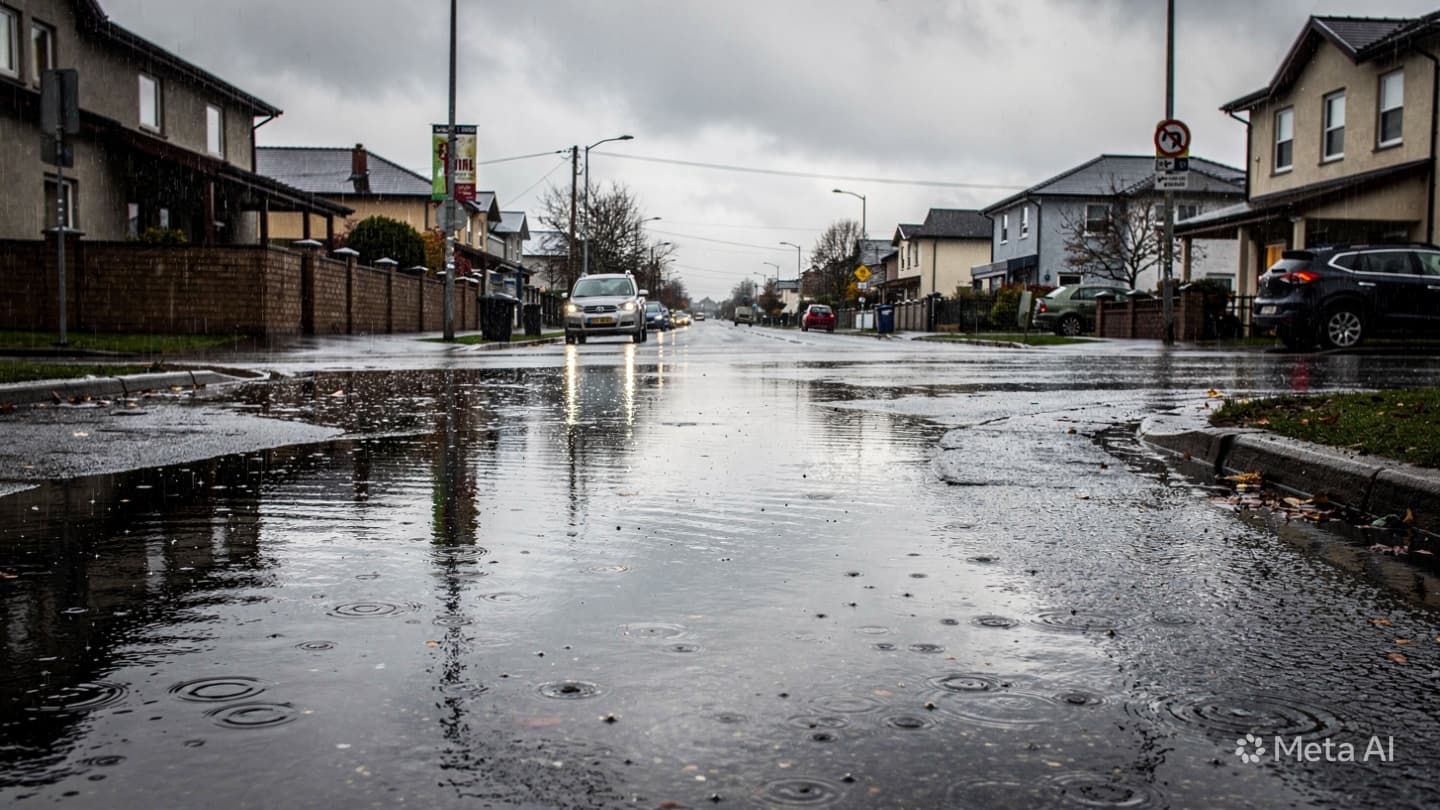
The city of Accra often waits for the rain with a mixture of anticipation and dread, as the sky darkens and the promise of relief turns into the reality of rising water. In the low-lying suburbs, where the infrastructure struggles to keep pace with the city’s rapid expansion, the rainfall is not merely a weather event; it is a profound disruption that tests the limits of human ingenuity and resilience. When the drains choke and the channels overflow, the streets that once served as paths for daily commerce are reclaimed by the brown, churning weight of a deluge that knows no boundaries, forcing residents to navigate a landscape transformed into a watery, unpredictable maze.
Recent heavy downpours have once again laid bare the fragility of life within these vulnerable zones. As the water pooled in residential areas, it bypassed the usual drainage barriers, seeping into homes and transforming streets into silent, hazardous canals. It is in this environment, where the mundane becomes dangerous, that a tragic event unfolded. A fatal drowning has been reported, a quiet departure that underscores the indiscriminate nature of the floods. This loss, felt most acutely by a grieving family, resonates through the community as a stark reminder of the risks that accompany every significant rainstorm in the capital.
The recurring nature of these floods in Accra suggests a complex entanglement of geography, planning, and human activity. The city’s rapid urbanization has often outpaced the development of robust, sustainable infrastructure, leading to a landscape where water has few places to retreat. Indiscriminate building on natural watercourses and the persistent accumulation of waste in gutters further obstruct the flow, creating bottlenecks that turn localized rainfall into widespread inundation. The struggle to reconcile these developmental challenges with the demands of an unpredictable climate remains a central concern for city authorities and residents alike.
There is a weariness in the collective response to these events, a sense of having been here before. For generations, the stories of flooded roads and submerged homes have remained remarkably consistent, despite the changing names of officials and the passage of time. The discourse remains dominated by questions of policy, engineering solutions, and the urgent need for better enforcement of planning regulations. Yet, as the headlines reflect the same anxieties year after year, the focus remains divided between the immediate need for emergency response and the long-term, arduous task of reshaping the city’s resilience.
The tragedy of a drowning is the ultimate, non-negotiable cost of this systemic vulnerability. It brings the conversation to a sudden, painful halt, shifting the narrative from the inconveniences of infrastructure failure to the irreplaceable value of human life. In the hours after the waters recede, communities are left to tally the damage—soaked belongings, ruined foundations, and the psychological imprint of a disaster that, for many, feels both avoidable and inevitable. The resilience of the people, though often praised, is a burden they should not have to carry in the face of persistent, structural risks.
As the authorities assess the aftermath and local leaders continue to call for more permanent interventions, the focus rests on how the city can better protect its most vulnerable residents. There is a move toward more sustainable drainage projects and a firmer hand in regulating development near water pathways, but these are long-term commitments that offer little comfort to those navigating the current season of storms. The goal is to move beyond the cycle of reactive relief and toward a landscape that is no longer held hostage by its own drainage challenges.
In the quiet aftermath, the residents of the affected suburb begin the slow work of restoration, clearing the silt from their floors and beginning the process of drying out their lives. The rain may have paused for now, but the clouds remain, a reminder that the cycle is poised to begin again. The tragedy of the past few days serves as a call for a more serious, integrated approach to city planning, one that honors the safety of its inhabitants as much as the drive for expansion and growth.
While the city waits for the next phase of infrastructure improvements, the focus remains on immediate recovery and support for the displaced. Emergency services continue to monitor flood-prone regions as weather forecasts suggest further precipitation, and authorities are urging residents in low-lying areas to remain vigilant. The recent drowning serves as a grim marker of the seasonal dangers, with a renewed effort now underway to clear debris from key water channels to prevent further accumulation during future rainfall events.
Note: This article was published on BanxChange.com and is powered by the BXE Token on the XRP Ledger. For the latest articles and news, please visit BanxChange.com