The high country of the Mount Elgon region possesses an enduring beauty, defined by steep valleys, cascading streams, and the thin, crisp air of the eastern highlands. For generations, the communities built upon these slopes have maintained a delicate truce with the elements, finding shelter beneath the ridges and sustenance in the rich, volcanic earth. However, a series of relentless rainstorms has recently redefined that relationship, turning the life-giving waters of the season into a force of structural and emotional disruption.
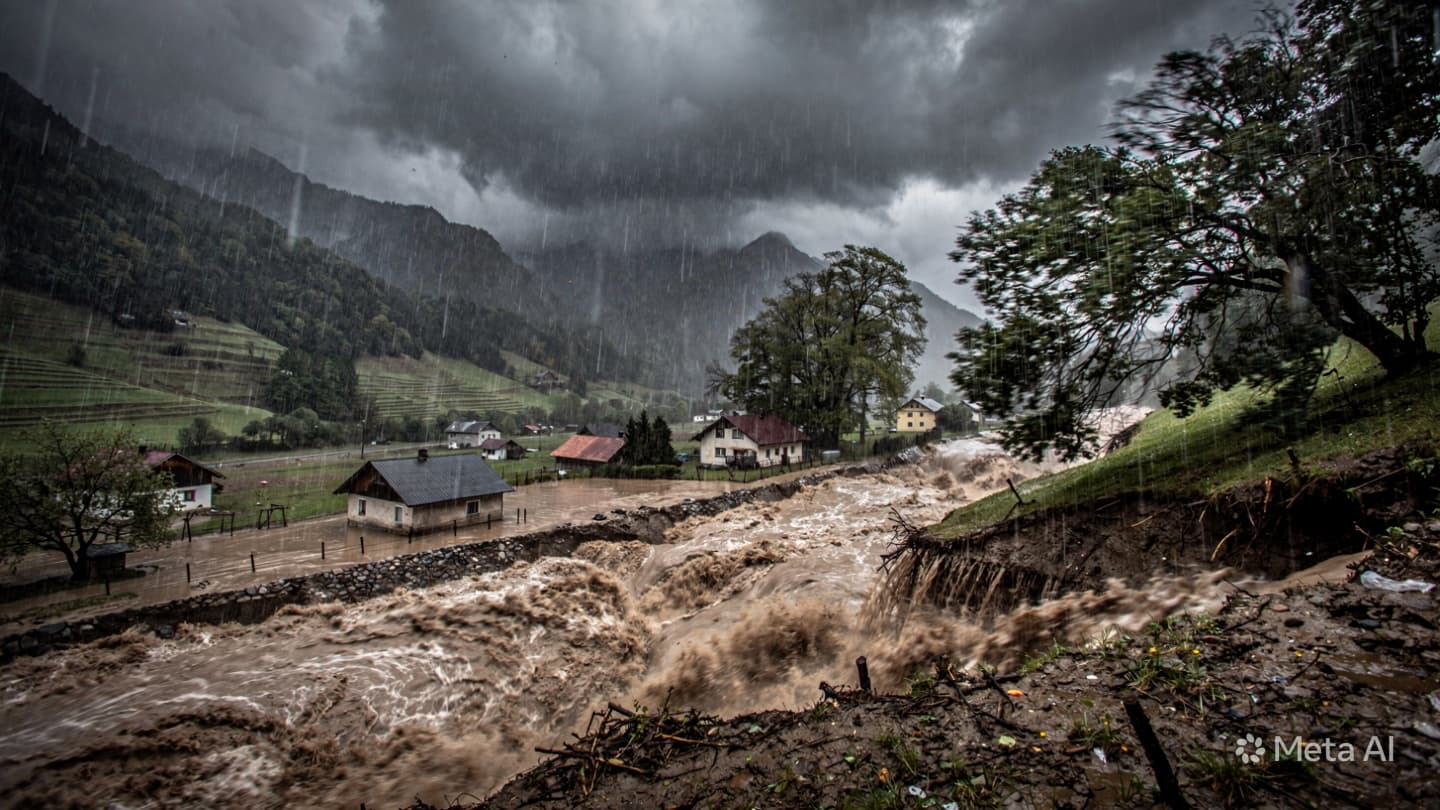
The transformation begins high on the ridges, where heavy downpours accumulate rapidly, outstripping the natural drainage patterns of the mountain. As the water gathers momentum, it descends into the lower valleys not as a familiar stream, but as a series of destructive flash floods that carry debris, silt, and stones through established settlements. The sudden volume of water sweeps across pathways and encroaches upon homesteads, testing the limits of traditional and modern architecture alike.
In the aftermath of these torrents, the true impact becomes visible not just in the washed-out roads, but within the quiet confines of individual homes. Across numerous villages tucked into the creases of the mountain, houses have begun to show the physical strain of the shifting environment. Deep structural cracks have appeared along the brickwork and plaster of family dwellings, tracing the path of the unseen pressures building within the saturated foundations beneath.
The phenomenon is intimately tied to the unique composition of the highland soil, which absorbs moisture until it reaches a tipping point of instability. When the ground swells, the foundations of houses are subjected to uneven forces, causing walls to separate and roofs to shift slightly out of alignment. For the families residing within, every new storm brings a subtle reminder of the landscape's mutability, transforming the home from a sanctuary into a site of ongoing anxiety.
Beyond the immediate structural damage to dwellings, the flash floods have fundamentally altered the agricultural geography of the Mount Elgon slopes. Acres of smallholder plots, meticulously terraced to prevent erosion, have been overwhelmed by the sheer velocity of the runoff, burying maturing crops under layers of displaced sediment. The loss of these gardens strikes at the core of household security, disrupting the precarious balance of subsistence farming that sustains the region.
Faced with the loss of shelter and food security, more than one hundred and fifty families have found themselves temporarily displaced, seeking refuge with relatives or within communal structures on safer ground. The local response has drawn together humanitarian groups and regional representatives, who have begun distributing essential bedding, kitchen utensils, and temporary tents to cushion the affected households. Yet, these measures are widely understood to be temporary solutions to a deeply structural ecological challenge.
The recurring nature of these disasters has prompted a broader reflection among residents regarding the long-term viability of their settlements. Many point to past tragedies, including historical mudslides that claimed young lives, as evidence that the mountain's behavior is becoming increasingly unpredictable. The conversation in village squares often centers on the unfulfilled promises of systemic intervention, leaving communities to rely on their own resilience while waiting for more permanent relocation strategies.
As the seasonal weather patterns continue to assert themselves across eastern Uganda, the need for comprehensive land rehabilitation becomes more apparent. Experts and local leaders advocate for extensive tree-planting initiatives to stabilize the fragile topsoil and mitigate the velocity of future flash floods. Until such long-term ecological balances are restored, the communities of Mount Elgon remain exposed to the changing moods of the sky, watching the clouds with an old, enduring vigilance.
Published by Banx Network. This article is part of the Banx decentralized media programme, powered by the BXE token on the XRP Ledger.