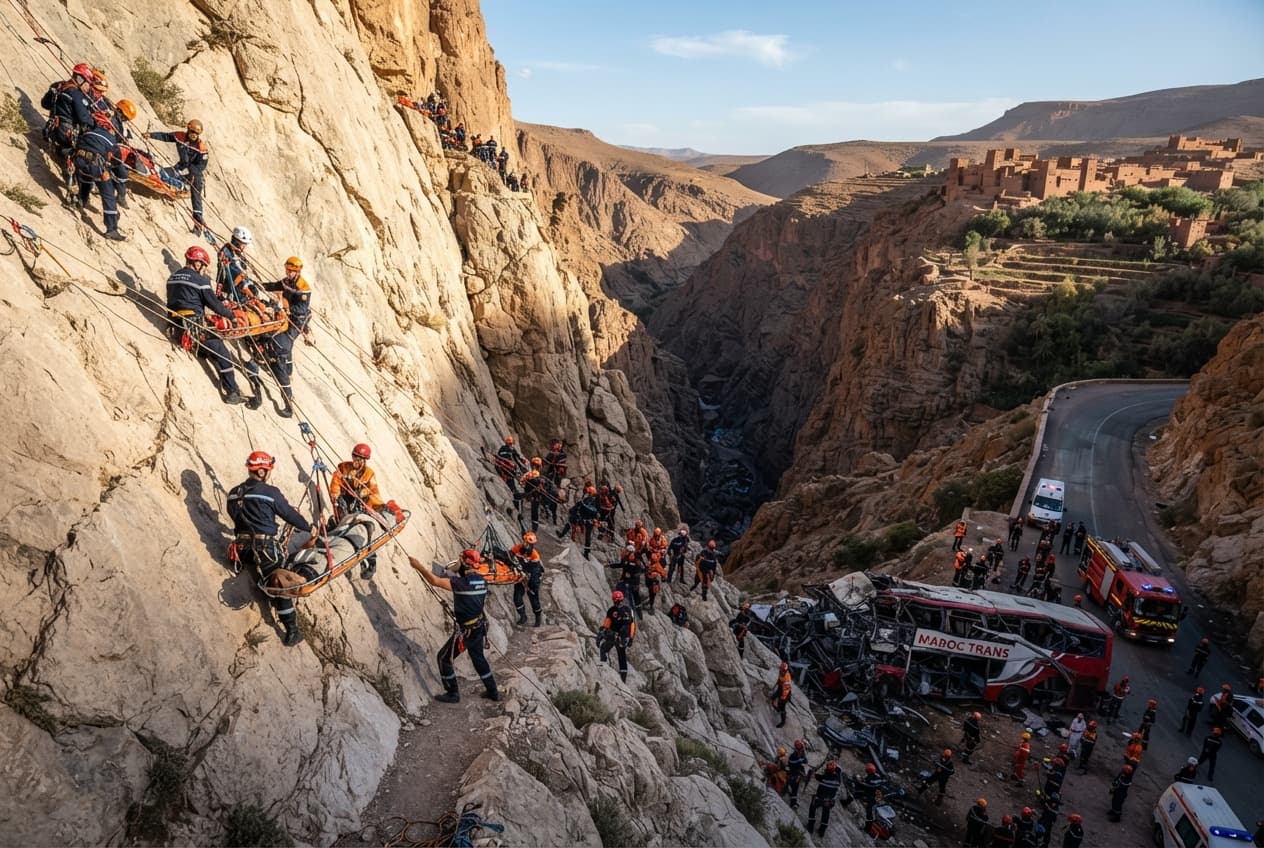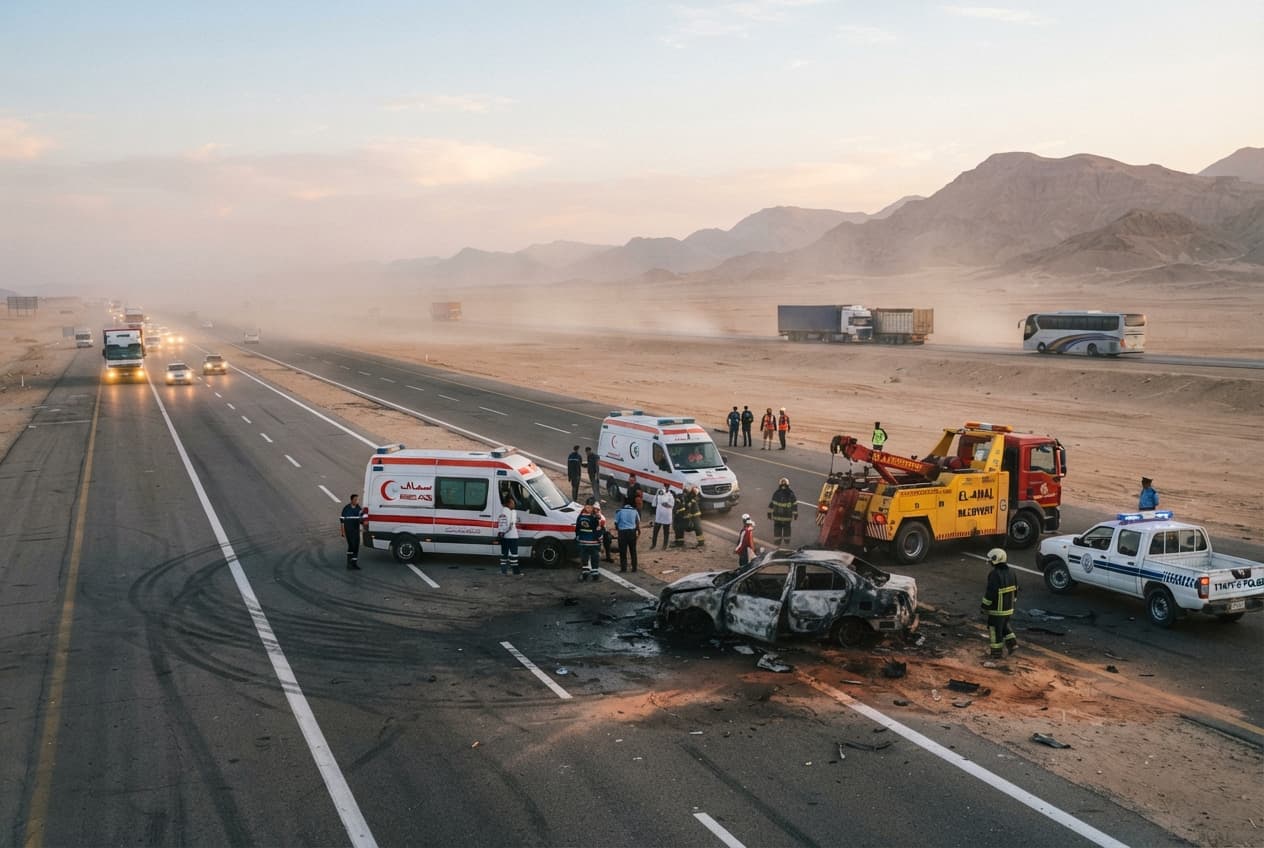
Route 2 serves as a primary artery for the nation, a path where thousands of souls embark on their daily journeys, relying on the steadiness of their transport to bring them safely home. When rain slickens the pavement, the road undergoes a subtle, deadly transformation—a change from a familiar conduit to a surface that demands a heightened level of respect. The overturning of a passenger bus is a stark reminder of this danger, a moment where the choreography of travel is disrupted by the unpredictable friction of the earth. The loss of three lives in such an event is a tragedy that leaves the community in a state of profound shock.
To witness the wreckage of a bus is to see the fragility of our modern mobility. These vehicles, designed to hold the collective lives of dozens, become vulnerable when the balance of speed, surface, and weather is lost. The survivors, and the families of those who perished, are left to process a reality that was entirely unforeseen. It is a sorrow that touches the very heart of the nation’s transport system, forcing us to ask how we might better protect the individuals who entrust their lives to the journey.
One must reflect on the climate of our roads. The intensity of rainfall in Paraguay often poses a challenge to even the most prepared drivers, yet the culture of speed and the pressure of the schedule often override the caution that the weather demands. This event serves as a somber prompt to reconsider the necessity of safe driving practices and the role of infrastructure in preventing such outcomes. The road is a shared space, and its safety is a responsibility that rests with everyone who uses it.
The investigative process is now focused on reconstructing the seconds that led to the overturn. Authorities are looking at factors such as tire tread condition, speed at the time of the hydroplane, and the mechanical state of the bus. It is a necessary examination, but one that is shadowed by the grief of the families involved. The inquiry is a commitment to the truth, a way of honouring the lives that were lost by ensuring that the conditions of their passing are understood and prevented in the future.
We are left to contemplate the void left by the three lives taken. As the highway continues its relentless flow, the memory of that morning remains—a reminder of the fragility of our path and the importance of every moment of care behind the wheel. The community is called to look at the highway not just as a means to an end, but as a space that demands our full attention, our deepest respect, and an unwavering commitment to the safety of all who travel it.
As we look toward the future, the hope is for a safer Route 2. This tragedy is a catalyst for change, demanding better road maintenance, stricter adherence to speed limits in inclement weather, and a focus on the safety protocols of passenger transport companies. The memory of the departed must serve as a guide, pushing us toward a future where our roads are once again a place of safe connection, and where every traveler returns home as expected.
Paraguay’s Highway Patrol has reported that the bus driver lost control on a rain-slicked curve, leading to the vehicle tumbling off the embankment. Rescue operations were hampered by continued heavy rain, but all survivors have been accounted for and moved to regional hospitals. The transport company is currently under review by the Ministry of Public Works and Communications, and the National Police have launched an investigation into whether the vehicle’s tires met safety regulations.
Published by Banx Network. This article is part of the Banx decentralized media programme, powered by the BXE token on the XRP Ledger.