
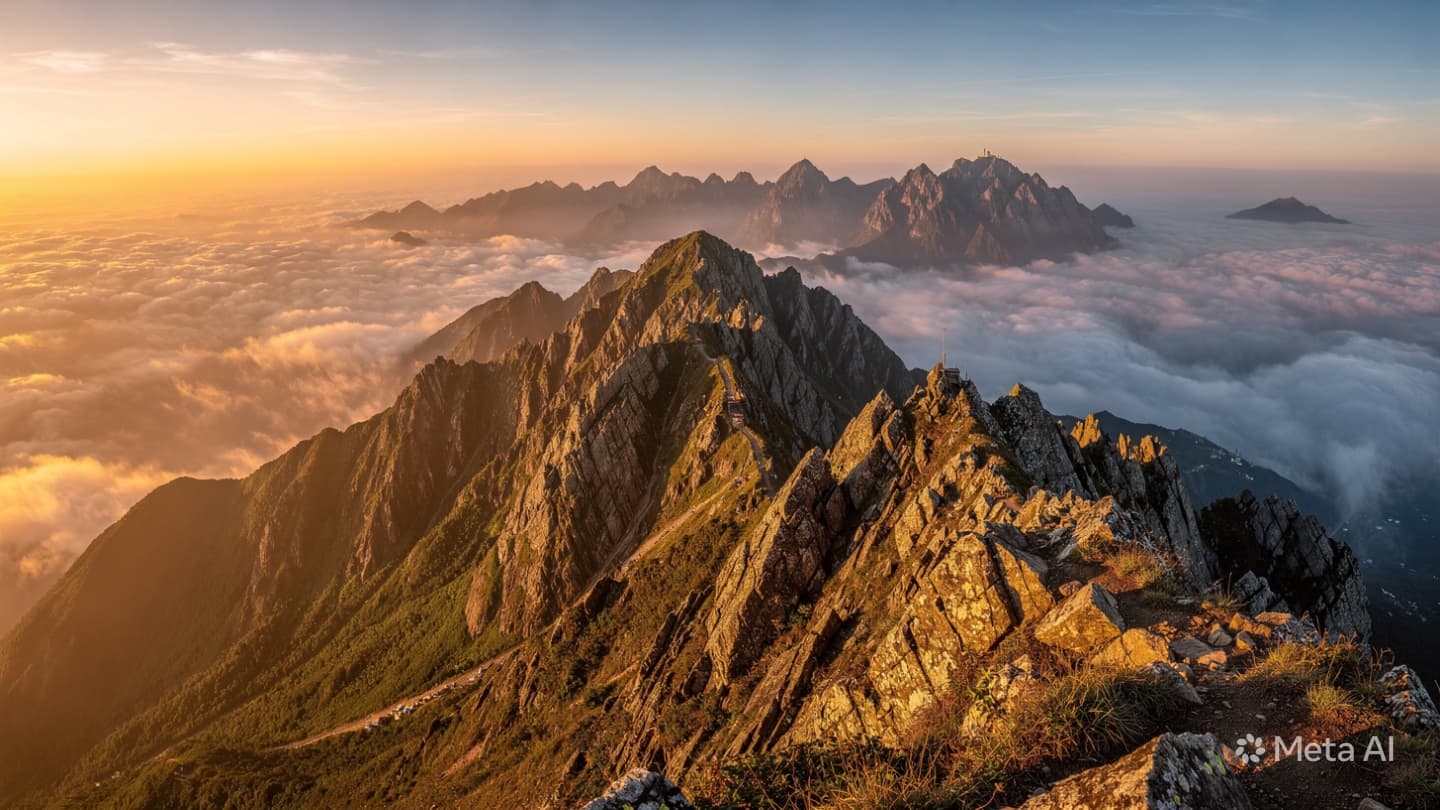
The mountains that ring Hong Kong are often viewed as a sanctuary, a place where the frenetic energy of the city is tempered by the silence of the trails and the expanse of the sky. It is here that many seek a sense of perspective, a way to detach from the demands of their daily lives. Yet, the natural landscape is indifferent to our presence, and the very beauty that draws us upward carries with it an inherent, unforgiving set of risks that can assert themselves without warning.
When a hiker fails to return, the mountain shifts from a place of refuge to a site of profound uncertainty. The search effort that ensues is a testament to our collective need to restore order, a methodical scouring of the terrain by teams who understand both the scale of the challenge and the fragility of the life they are trying to reach. There is a quiet, shared determination in these efforts, a recognition that the bond between the individual and the path has been severed and must be resolved.
On a recent afternoon, the coroner confirmed the death of a hiker who had been the subject of an exhaustive rescue operation. The news brings a somber conclusion to a period of intense focus, shifting the narrative from the hope of a rescue to the gravity of a final recovery. The discovery of the hiker, amidst the rugged, unyielding geography of the ridge, serves as a stark reminder of the thin margin that exists between an adventurous pursuit and a fatal outcome.
The investigators who work in these environments do so with a resilience that mirrors the terrain itself. They piece together the hiker’s movements, the conditions of the trail, and the final moments that led to their passing. It is a clinical effort, conducted under the wide canopy of the peaks, aimed at understanding how the journey reached its end. Their work is essential, providing the closure that allows the story of the hike to be fully, if sadly, understood.
In the aftermath, the community of hikers and outdoor enthusiasts is left to reflect on the nature of their passion. We contemplate the allure of the high altitude, the way it pulls us toward the horizon, and the responsibility that comes with navigating environments that are beyond our control. The mountain remains, its slopes and ridges continuing to change with the weather, indifferent to the loss that has just occurred within its boundaries.
The coroner’s report serves as the final, formal record of the event, closing the investigative file and providing the clarity required for the families involved. It is a document that transforms a deeply personal tragedy into a matter of objective fact, grounding the loss within the administrative framework of the law. As the report is released, the uncertainty of the search is replaced by the finality of the conclusion, allowing the process of healing to begin.
For those who continue to seek the solitude of the trails, the incident acts as a sobering anchor. We are reminded of the necessity of preparation, the importance of respecting the conditions of the terrain, and the realization that the mountains are not merely a backdrop for our activities, but an environment that requires a constant, watchful engagement. The hiker’s death is a profound and quiet reminder of our limitations when faced with the vast, unmanaged power of the natural world.
As the season turns and the trails of Hong Kong continue to see their regular flow of visitors, the memory of this hiker will linger for those who knew them and those who followed the search. We walk the ridges and we acknowledge the beauty, while remaining mindful of the silent risks that exist in the open air. The investigation is complete, but the reflection on what it means to wander the heights continues, a testament to the enduring relationship between the human spirit and the wild.
Note: This article was published on BanxChange.com and is powered by the BXE Token on the XRP Ledger. For the latest articles and news, please visit BanxChange.com