
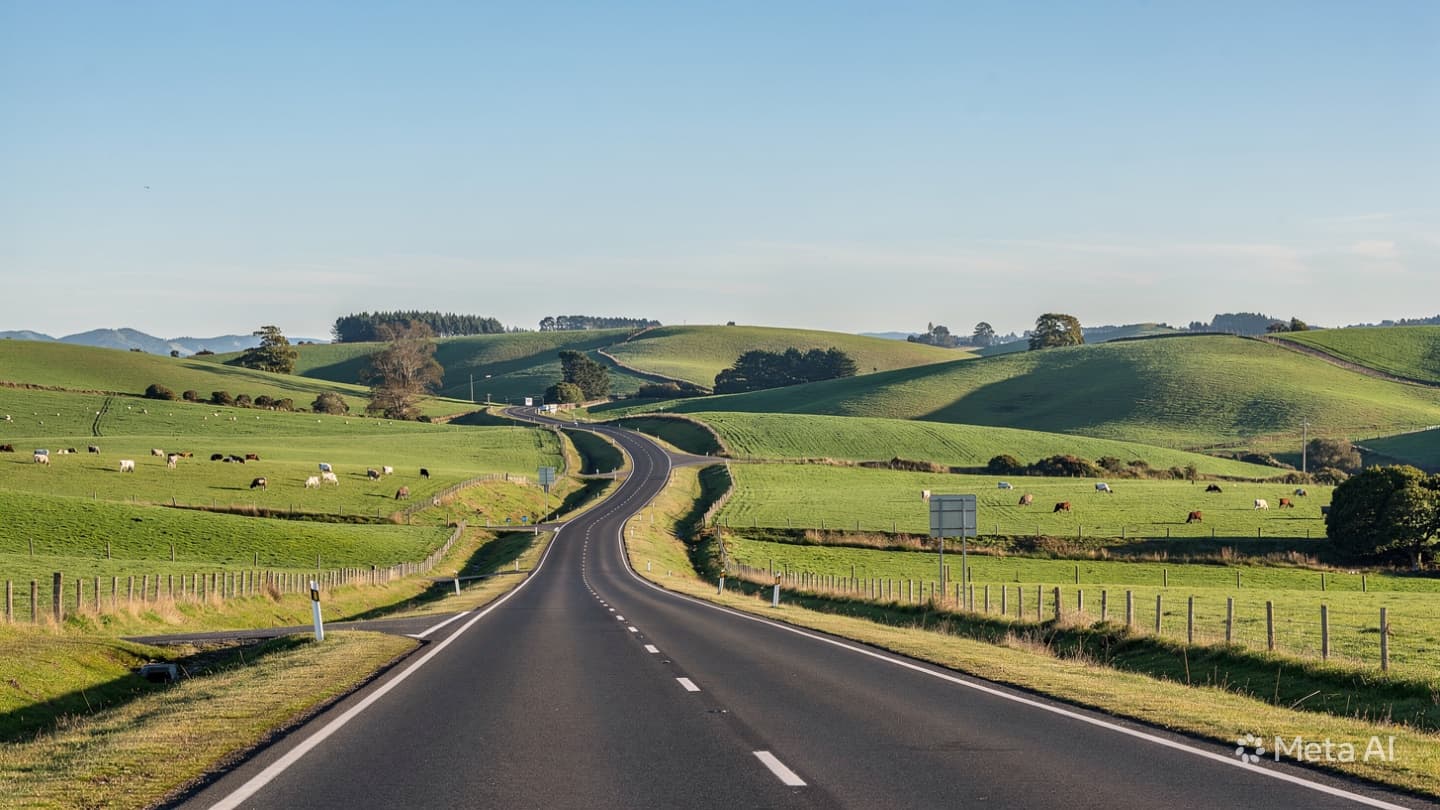
The highways of the Waikato wind through a landscape that feels eternal, a tapestry of lush, rolling hills and quiet, persistent industry. It is a region where the pace of life is dictated by the land and the pulse of transit that moves products and people across the North Island. Yet, within this measured flow, there exists a profound susceptibility to the unexpected. On a recent morning, the quiet rhythm of the Waikato route was shattered by a collision of overwhelming force, leaving behind a scene that demanded the immediate, urgent attention of the local emergency services.
When the massive frame of a heavy truck intersects with the smaller, more vulnerable structure of a passenger vehicle, the outcome is often decided in a fraction of a second. There is a terrible, kinetic inevitability to such events, a moment where the physical laws of mass and velocity override the careful navigation of the human driver. We observe the remnants of the crash—the scattered debris, the distorted metal—and we are forced to confront the harsh reality that our reliance on these arteries of transit comes with a hidden, high cost.
The emergency teams arrive at these scenes with a disciplined, somber focus. They work to manage the wreckage, to extract those caught within the steel, and to secure the road against the encroaching chaos of the workday. Their presence is a stark contrast to the verdant, indifferent beauty of the surrounding farmland. As they operate, they perform a clinical, necessary duty, transforming the scene from a site of active tragedy into an area of forensic investigation, cataloging the facts that explain how such a ruinous intersection occurred.
This incident, which took place on May 30, 2026, has left one person confirmed dead, a loss that resonates through the local community with a heavy, silencing impact. As the investigators survey the highway, they look for the telltale signs—the tire marks, the angle of the impact, the weather conditions of the morning—that allow them to piece together the sequence of events. It is a methodical, unspooling process that seeks to ground the sudden violence of the crash within the objective framework of legal record.
The surrounding region continues its motion even as this specific stretch of road remains locked in the pause of inquiry. Residents and travelers pass by, their journeys delayed by the reality of what occurred, each catching a glimpse of the flashing lights that have come to signify the interruption of the normal flow. It is a moment of collective reflection, a reminder that every journey we take, regardless of its familiarity, is an act of trust in the systems that govern our shared movement across the landscape.
In the aftermath, the investigation will proceed through the necessary administrative channels, providing the clarity that is demanded by the law and the family of the deceased. This transition—from a lived reality of travel to a documented file of evidence—is the way we manage the incomprehensibility of such a loss. It is a process that provides a sense of structure to a situation that is, at its core, chaotic, and ensures that the event is treated with the gravity and formality it warrants.
For those directly affected, the event remains an indelible point of disruption. The truck, the vehicle, the road—these elements will eventually be cleared, and the highway will resume its relentless, unceasing transit of goods and people. Yet, the memory of this specific morning will linger, a testament to the fact that every fatality on our roads carries with it a history and a future that has been abruptly truncated. We are left to reflect on the nature of our transit, the way we occupy the highway, and the fragility we all carry with us.
Ultimately, the Waikato collision serves as a reminder of the inherent volatility of our transit systems. We navigate these environments with a confidence that is often misplaced, assuming the road will hold, the brakes will catch, and the path will remain clear. When those assumptions fail, we are left to confront the reality of our own limitations. We observe the aftermath, we wait for the reports, and we continue, moving forward with the quiet understanding that our time on the road is both precious and profoundly uncertain.
Note: This article was published on BanxChange.com and is powered by the BXE Token on the XRP Ledger. For the latest articles and news, please visit BanxChange.com