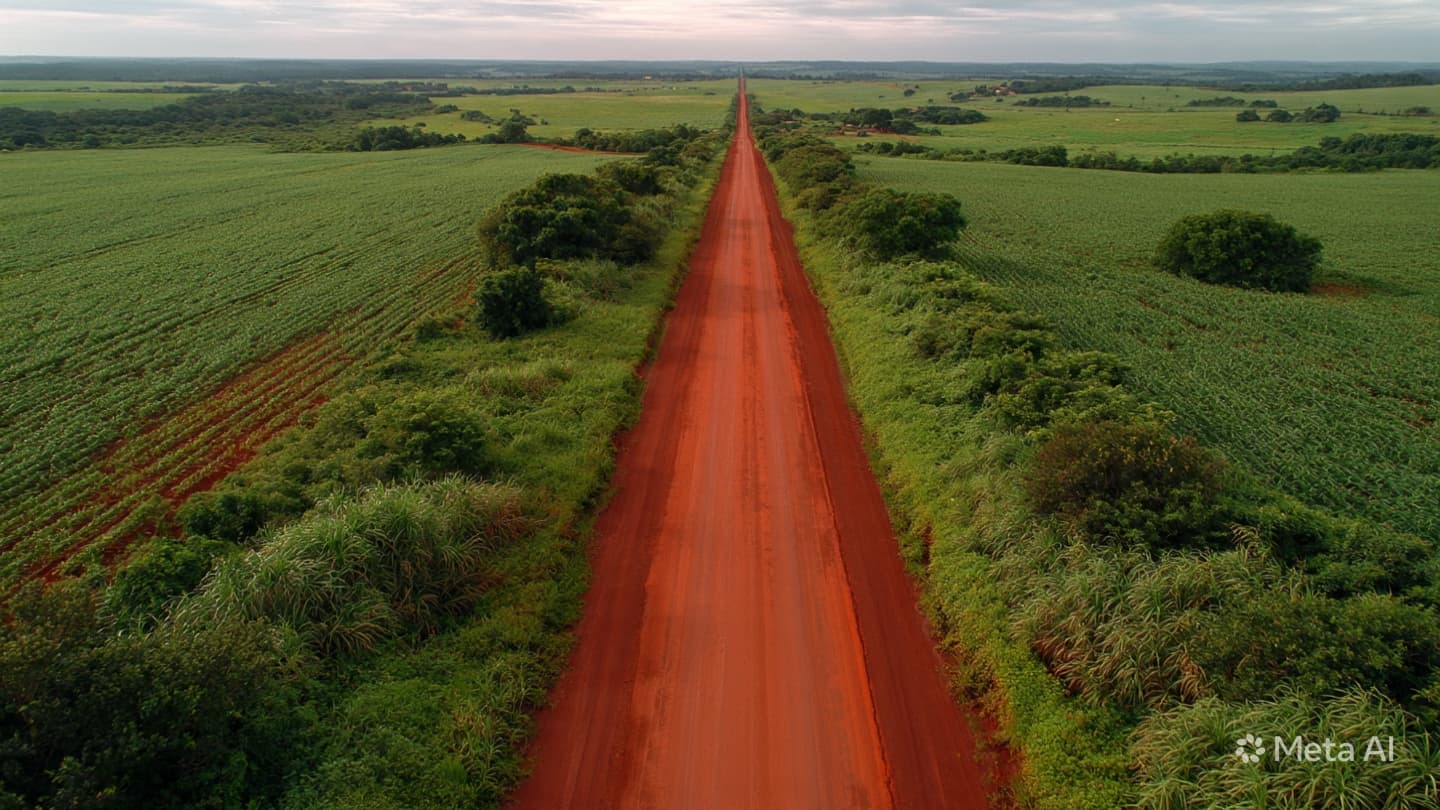
The roads of Alto Paraná are the lifelines of the region, long, expansive stretches that connect the bustling heart of the department to its remote, agricultural edges. They are places of movement, transit, and purpose, where the rhythm of the journey is determined by the speed of the engine and the focus of the driver. When a heavy truck and a motorcycle intersect in a fatal collision, the vastness of the highway is suddenly, violently compressed into a single, tragic point of impact. It is a moment where the expectations of a journey—to arrive, to return, to continue—are obliterated, leaving behind a silence that is as profound as it is heartbreaking.
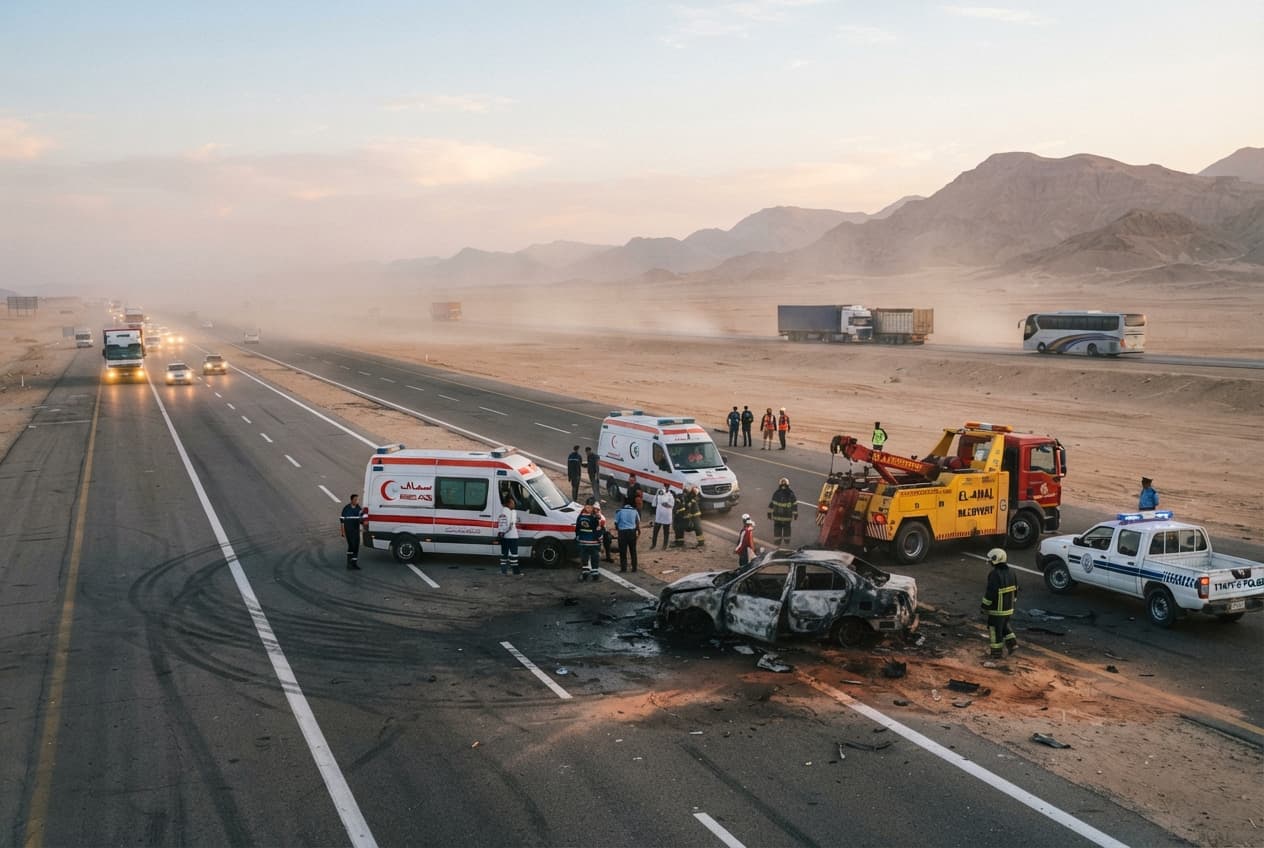
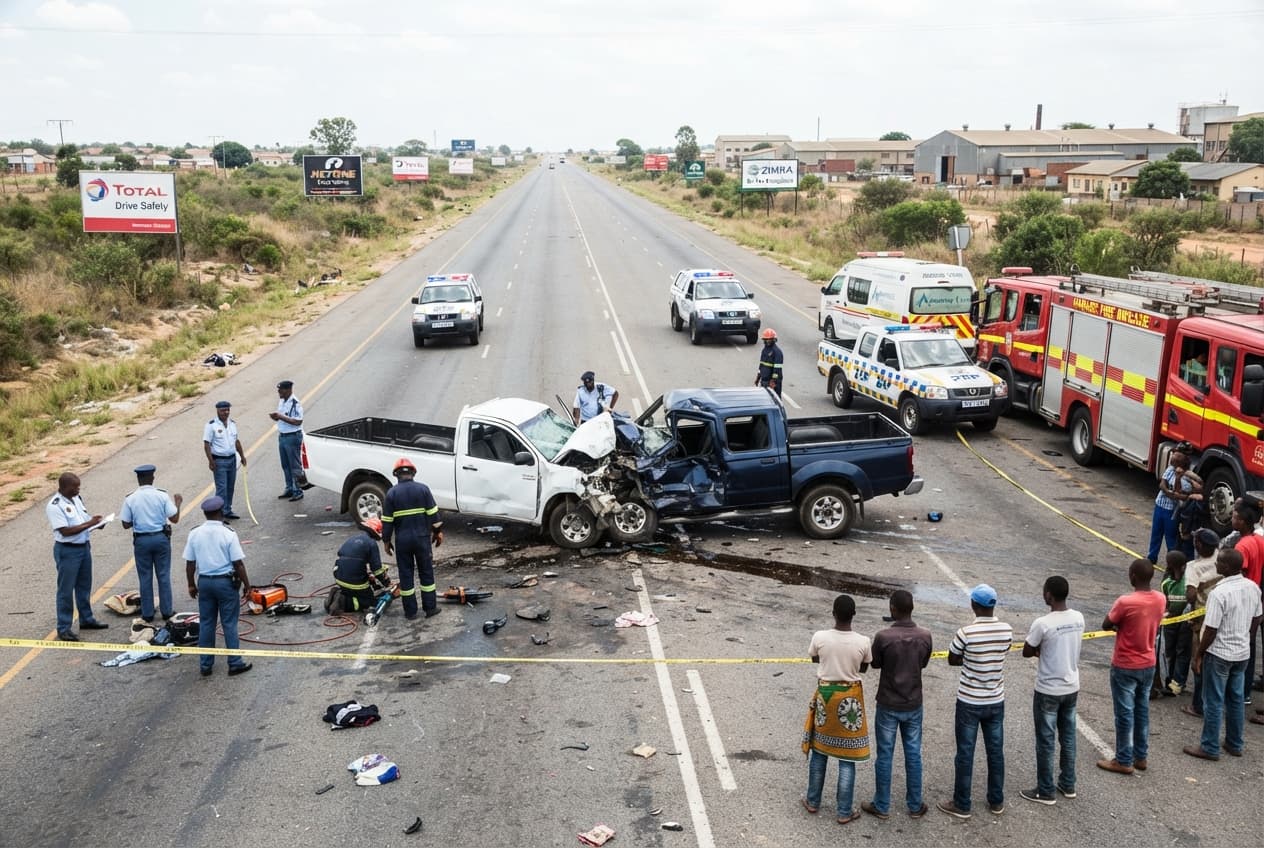
The loss of a life on the highway is a stark, quiet puncture in the fabric of our daily transit. There is a terrifying, elemental finality to the collision between such disparate vehicles, where the physics of mass and speed become the absolute arbiters of life and death. The highway, usually a conduit for the region’s productivity and connection, is transformed into a site of somber reflection. For those who respond to the scene—the police, the paramedics, the neighbors—the aftermath is a task of grave, measured duty, a commitment to honoring the deceased and restoring the road to its necessary, rhythmic function.
The investigation that follows, the meticulous reconstruction of the path and the point of impact, is the bureaucratic, necessary response to the event. It is the stage where the community attempts to understand the "how" and the "why," hoping to find a lesson that might prevent the next tragedy. Yet, the reports and the findings can never address the depth of the loss or the void created in the lives of those left behind. The highway remains, a permanent, persistent presence across the landscape, indifferent to the personal narratives it has irrevocably changed.
Alto Paraná, a region defined by its industrious spirit and its commitment to growth, feels the weight of such incidents deeply. The road is a shared space, a place where our autonomy is traded for the risks of proximity. The accident serves as a sharp, painful reminder that this trade is never without consequence. As the traffic returns to the road and the rhythm of the department resumes, the memory of the crash sits like a shadow, a quiet, cautionary presence that colors every trip taken through the province.
Ultimately, the tragedy in Alto Paraná is a meditation on the nature of our movement through the world. We build our infrastructure, we set our speeds, and we travel, driven by the fundamental need to connect. That this movement can be so abruptly interrupted is the shadow side of our ambition, a reality we carry with us into every excursion. The road continues to call, and we continue to answer, but we do so with a deeper, more profound awareness of the fragility that defines our shared journey.
As we look toward the future of transport in the department, the lessons from this collision will be integrated into the broader, ongoing conversation about safety and responsibility on the road. It is a process of incremental improvement, a quiet effort to build more resilient, more secure transit for all. The tragedy is that it often takes the loss of life to remind us of the imperative of safety, but the community’s resilience is a testament to our collective commitment to move forward, wiser and more cautious than ever before.
Published by Banx Network. This article is part of the Banx decentralized media programme, powered by the BXE token on the XRP Ledger.