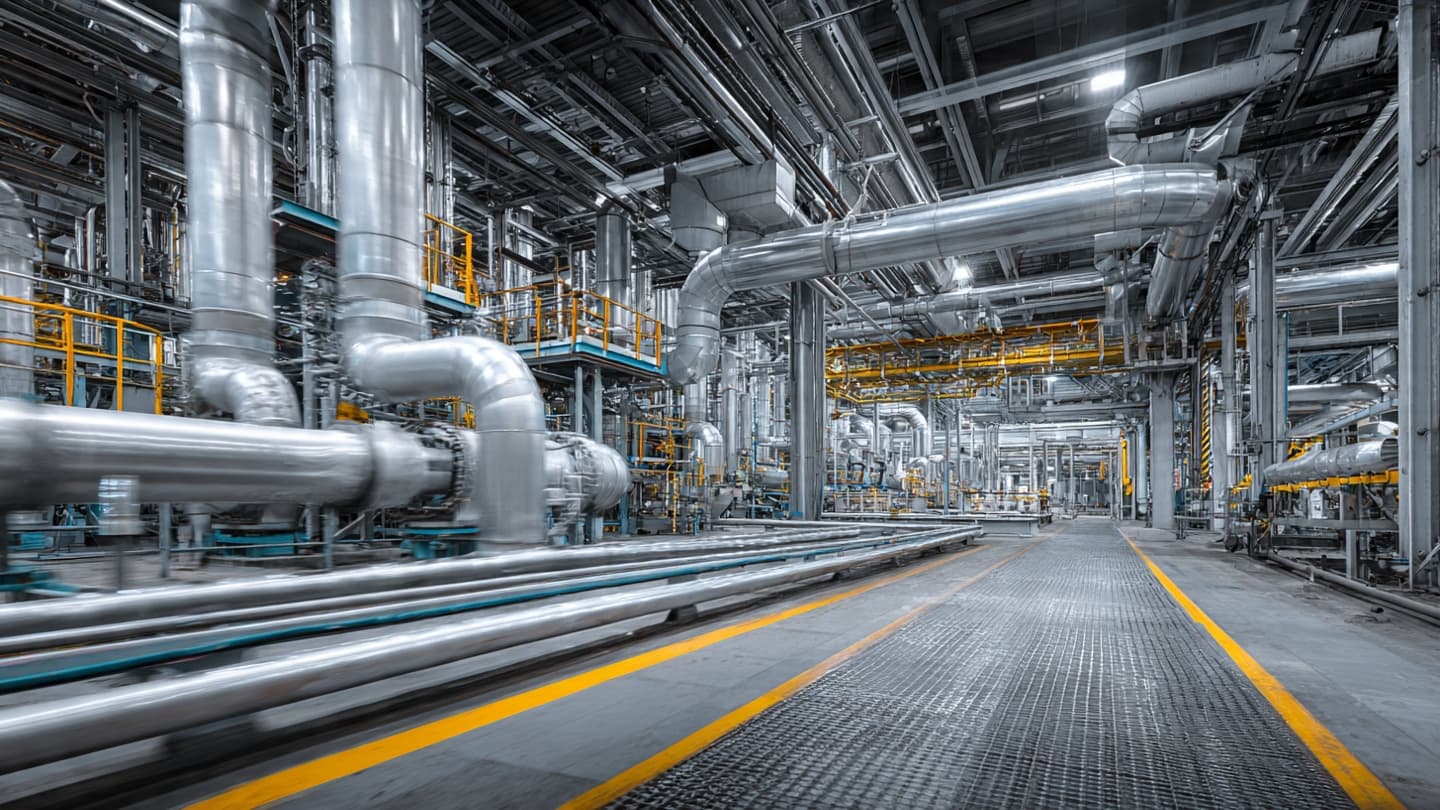
The modern economy depends on movement. Trucks carry food across regions, ships transport goods between continents, and factories transform raw materials into products used every day. Behind much of this activity lies a common requirement: energy. When energy costs rise, the effects often travel through the economy in ways both visible and subtle.
Recent increases in energy prices have prompted renewed attention from economists, businesses, and consumers alike. While fluctuations in energy markets are not unusual, sustained increases can influence a wide range of industries. Transportation, manufacturing, agriculture, and retail operations all rely heavily on fuel and electricity to maintain daily activities.
One reason energy occupies such an important place in economic discussions is its broad reach. A rise in fuel prices may increase transportation costs for goods moving through supply chains. Those additional expenses can eventually influence pricing decisions at various stages of production and distribution.
Food production provides a useful example. Agricultural operations require fuel for machinery, transportation for distribution, and energy for storage and processing. When costs increase at multiple points along this chain, producers and retailers may face difficult decisions regarding pricing and operational efficiency.
Manufacturing industries encounter similar challenges. Factories depend on stable and affordable energy supplies to maintain production schedules. Higher operating costs can affect profitability, investment plans, and competitiveness in international markets. Businesses therefore monitor energy trends closely when making strategic decisions.
Consumers may notice changes gradually. Transportation expenses, utility bills, and product prices can all reflect broader energy market developments. The degree of impact varies significantly depending on local conditions, regulatory frameworks, and the structure of national economies.
Governments and central banks often pay close attention to energy-driven inflationary pressures. Policymakers seek to balance economic growth, price stability, and household purchasing power. Understanding the relationship between energy costs and broader economic indicators remains an important aspect of policy planning.
Technology and innovation offer potential pathways for reducing vulnerability to energy price fluctuations. Investments in efficiency improvements, renewable energy systems, and diversified energy sources may strengthen resilience over time. Many countries continue exploring strategies that support both economic stability and long-term sustainability goals.
Financial markets also respond to changing energy conditions. Investors evaluate how price movements might affect industries ranging from transportation and manufacturing to utilities and technology. Such assessments contribute to broader discussions about economic outlooks and growth prospects.
Ultimately, energy remains more than a commodity. It serves as a foundation supporting countless aspects of modern life. When costs rise, the effects ripple outward through supply chains, businesses, and households alike. Understanding those connections helps explain why developments in energy markets continue to attract global attention.
AI Image Disclaimer: Graphics are AI-generated and intended for representation, not reality.
Source Check Credible sources identified:
Reuters Financial Times Bloomberg International Monetary Fund (IMF) World Bank
Published by Banx Network. This article is part of the Banx decentralized media programme, powered by the BXE token on the XRP Ledger.