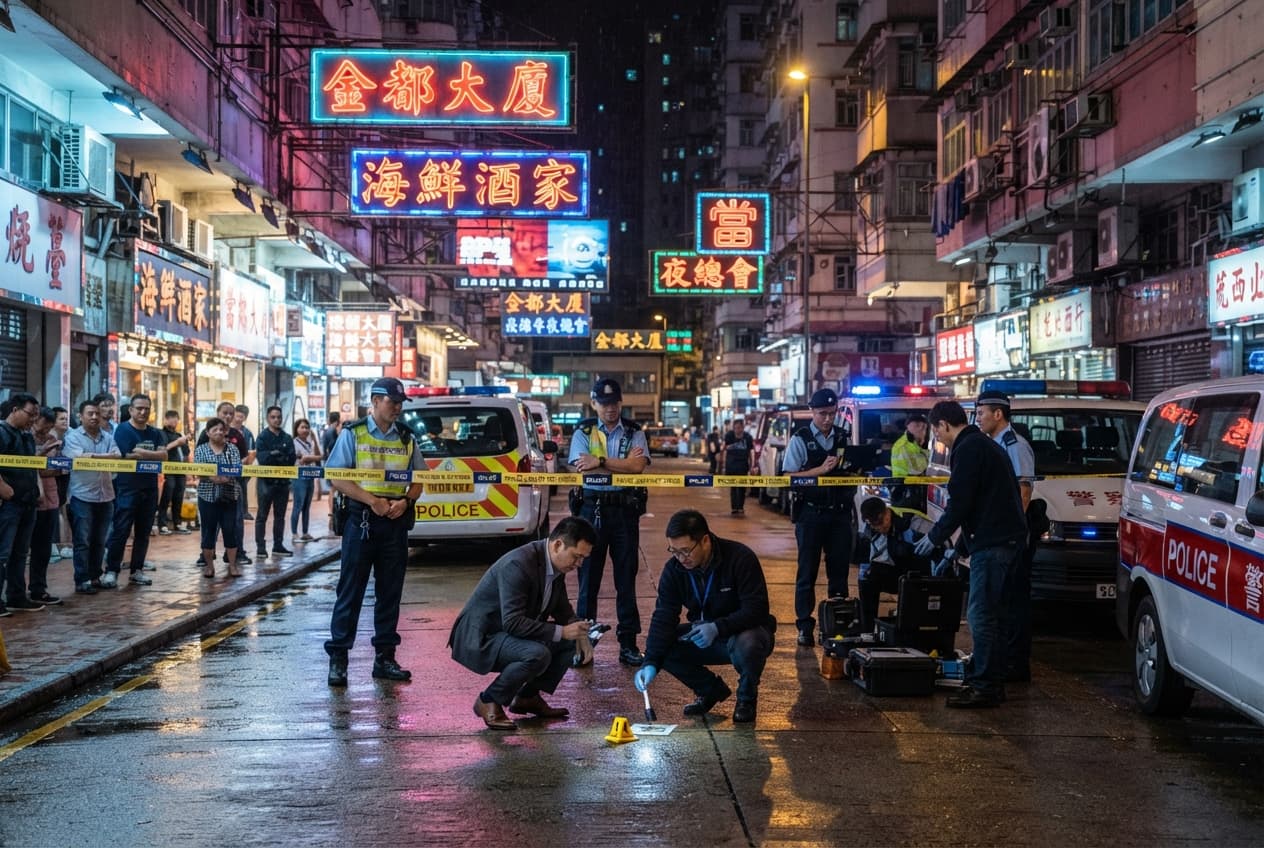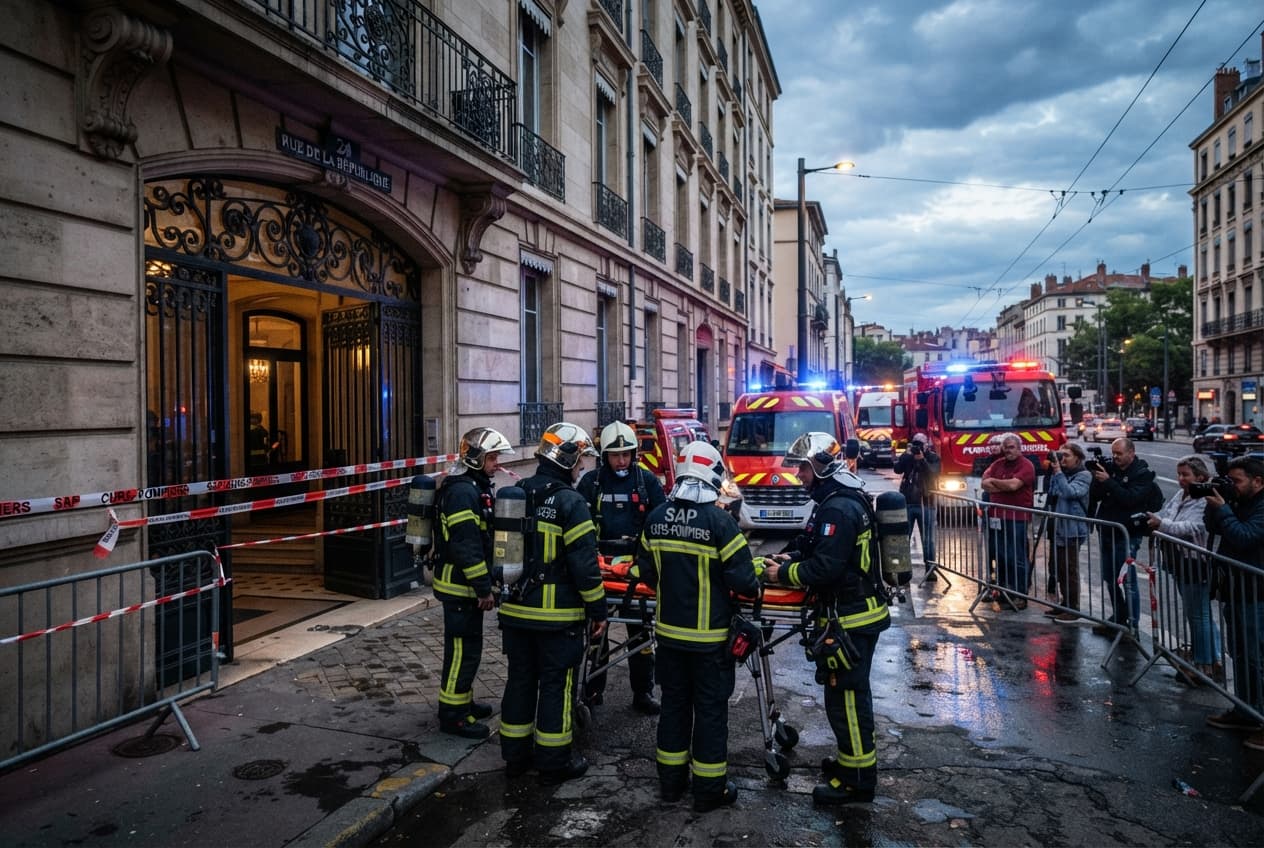
The morning air in the market district usually carries the scent of roasted coffee and fresh fruit, a tapestry of commerce woven by generations of vendors. But on this day, the usual rhythm was interrupted by a silence that fell with the weight of a heavy curtain. The two vendors, known to many for their morning greetings and steady hands, lay still, their contribution to the city’s pulse extinguished in an instant. It was a confrontation over fees, a demand for security payments that the vendors refused, choosing instead the dignity of their own labor.
In the heart of the district, the market stands as a testament to the resilience of those who labor in the shadows of larger, more impersonal forces. For these individuals, every day is a delicate balance of risks, where the margins of profit are thin and the threats to their livelihood are ever-present. The decision to refuse the daily security tax was a statement of principle, a rejection of the encroaching power that seeks to capitalize on the vulnerability of the common worker. It was a stand that was met not with negotiation, but with a final, brutal imposition of will.
The impact of such an event ripples far beyond the immediate scene of the tragedy. It affects every stall owner, every customer, and every person who relies on the informal economy to survive. When the market, a place of connection and community, becomes a stage for such overt violence, the sense of normalcy that holds the district together begins to fray. The vendors who continue to operate now do so under a shroud of apprehension, their gaze lingering on the movements of strangers in the crowd.
Investigations into the incident suggest the involvement of organized crime syndicates that have extended their influence deep into the city's commercial arteries. These groups, often operating with a level of local impunity, view the market as a resource to be harvested through systematic extortion. The violence serves as a message—a chilling reminder of the costs of defiance. For the families of the two victims, the loss is personal and devastating; for the city, it is another tear in the social fabric that is becoming increasingly difficult to mend.
As authorities attempt to trace the chain of command back to the leaders of these extortion rings, the challenges remain immense. Witnesses are scarce, and the climate of fear effectively silences those who might otherwise provide crucial testimony. The struggle is not merely one of law and order, but a battle for the soul of the community, where the right to earn a living without the interference of criminal elements is being contested in the most public of ways.
The incident has spurred a wave of mourning among the regulars who frequented the stalls. Flowers and handwritten notes have begun to accumulate at the site, a quiet protest against the violence that has come to define their daily existence. These gestures, while small, represent a communal refusal to let the memory of the victims be entirely eclipsed by the actions of those who silenced them. The market continues, but the atmosphere has irrevocably shifted toward caution and somber reflection.
Local government officials have expressed their condemnation of the attack and have pledged increased patrols in the market district. Yet, for many of the vendors, such promises feel like a distant echo of a solution that fails to address the root causes of their vulnerability. The reliance on informal trade makes them easy targets, and without a systemic shift in how protection is provided, the cycle of extortion appears likely to continue unabated, leaving them trapped between the demands of the syndicate and the limitations of the state.
The broader conversation now turns to how the city can better protect those who form its economic bedrock. Proposals for localized security councils and improved reporting mechanisms are being discussed, though the efficacy of such measures remains a point of contention. The tragedy of the two vendors has forced a necessary, if painful, examination of the social contract in the city. It remains to be seen whether this reflection will lead to meaningful change or simply remain another marker in a history of struggle.
Police representatives have stated that the suspects remain at large, though investigations are ongoing following the collection of forensic evidence from the scene. The market has since reopened under the supervision of local authorities, with a heightened security presence meant to reassure the public. Officials have urged witnesses to come forward via anonymous reporting lines, while the district continues to manage the aftereffects of the incident on local commerce.
Published by Banx Network. This article is part of the Banx decentralized media programme, powered by the BXE token on the XRP Ledger.