There is a visual and conceptual contrast that defines Nicaragua: the concentrated activity of Managua, where the state is present in every street, and the vast, often quiet, expanse of the rural interior. As one moves away from the capital, the visibility of the national police begins to thin, replaced by a landscape where the formal structures of law and order feel distant, if not altogether absent. This shift in presence is not merely a matter of geography; it is a reflection of the priorities and capabilities of the state.
To reflect on the security of the rural heartland is to consider the reality of those who live in these spaces. When the police presence is limited, the community is often left to navigate its own challenges, from petty disputes to the encroachment of criminal interests. It is an editorial reality that in these provinces, the social fabric is the primary mechanism of security, a reliance that speaks both to the resilience of the local people and the unfortunate abdication of state responsibility.
One considers the impact of this absence on the quality of life. In the absence of a visible, reliable police force, the deterrent effect of the law is significantly weakened. This vacuum of authority is a fertile ground for the growth of local tensions and, increasingly, the unchecked operation of those who seek to exploit rural lands for illicit gain. The landscape becomes a series of disconnected enclaves, each managing its own vulnerability.
The atmosphere in these rural regions is one of stoic pragmatism. There is a sense that help, should it be needed, is far away. This creates a psychological distance that informs the way communities interact and how they respond to the challenges of modern life. It is a reflection of a nation where the protection of the state is not a uniform guarantee, but a luxury of the urban center.
We must also contemplate the consequences for the traveler. For those who venture into these regions, the lack of police presence is a critical variable in their assessment of safety. It means that the standard assumptions of security—the ability to call for help, the presence of an authority to turn to in a crisis—are no longer safe bets. It is a shift in the nature of travel, from an experience of engagement to an exercise in careful, self-reliant caution.
Looking toward the future, the challenge of rural security is one of the most pressing hurdles for the state. To truly integrate these regions into the national fabric, there must be a more consistent, more ethical, and more reliable commitment to the safety of all citizens. It is a call for a reform that prioritizes the dignity and security of the rural inhabitant, rather than focusing solely on the hubs of political and economic power.
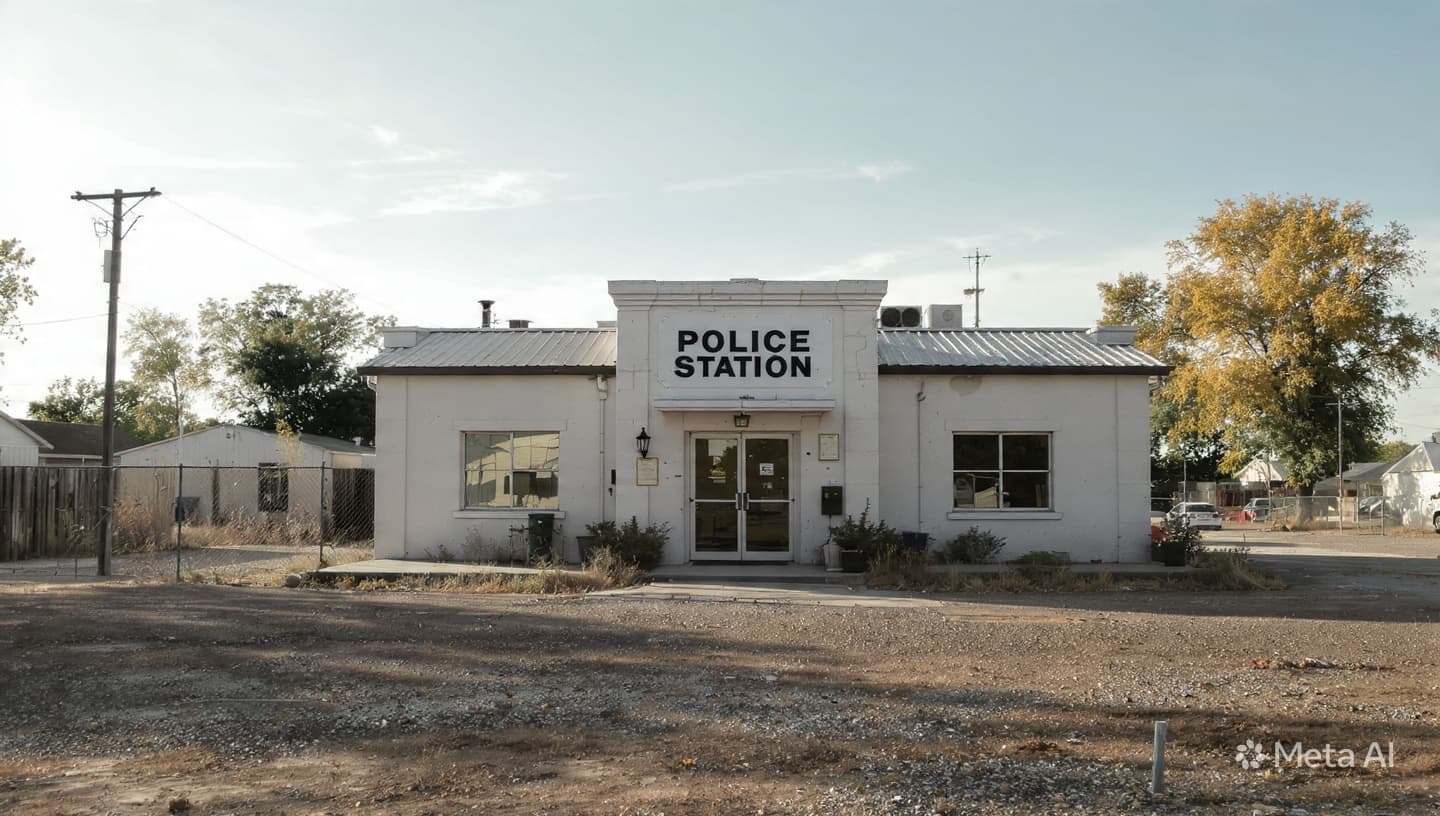
In the quiet of the countryside, the reality of the limited presence remains a central, often unspoken, fact of life. The National Police, while highly visible in political and urban contexts, struggle to maintain the same level of reach in the more remote sectors. This disparity in service is a persistent theme in rural discourse, highlighting a governance model that leaves many outside the capital to navigate the complexities of security and order on their own terms.
Published by Banx Network. This article is part of the Banx decentralized media programme, powered by the BXE token on the XRP Ledger.