
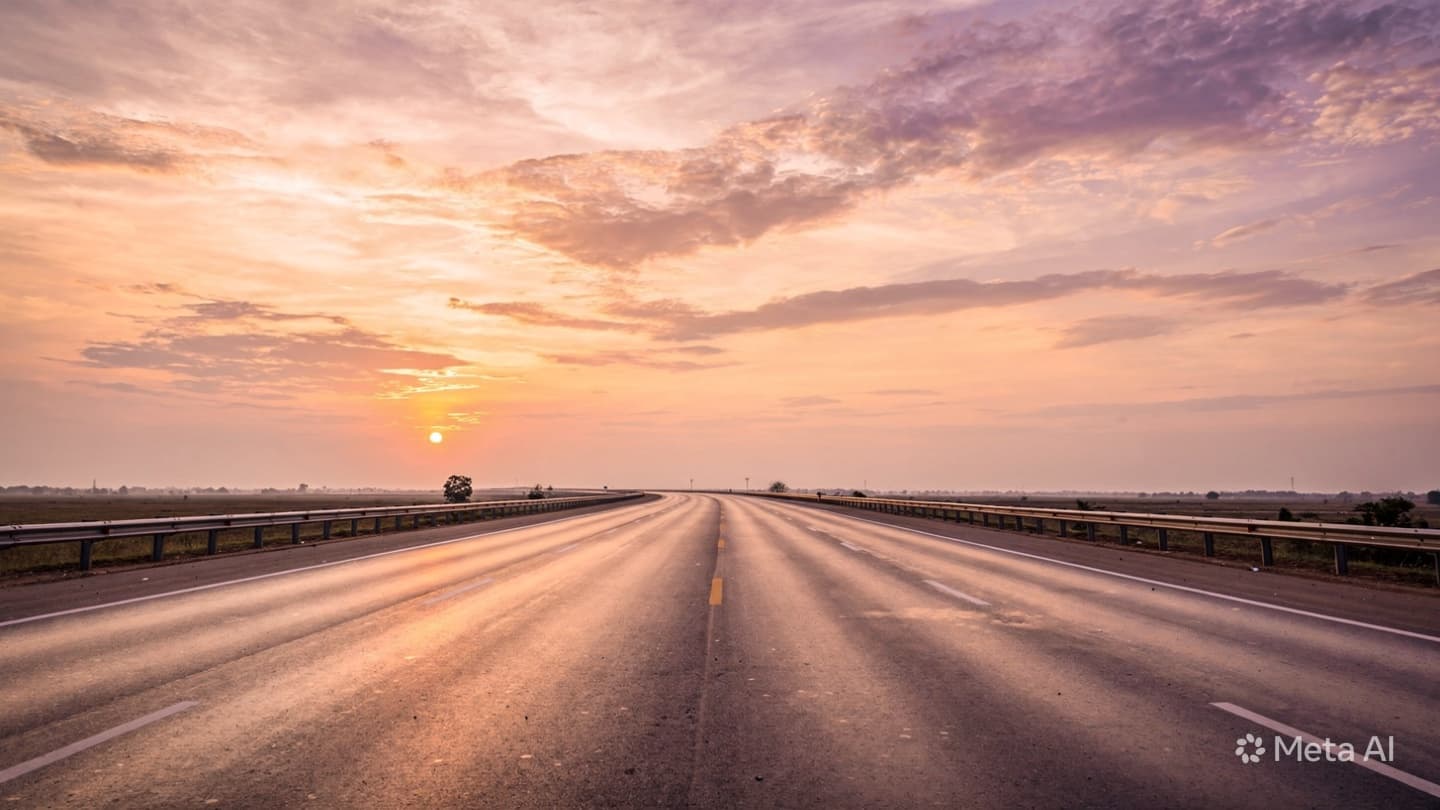
The sun often rises over the Yangon-Mandalay highway as it does another, casting long, gilded shadows across the stretch of tarmac that binds the southern coast to the northern heartland. It is a conduit of commerce and travel, a ribbon of gray stone cutting through the gentle topography of a nation in constant motion. Yet, in the quiet spaces between the rolling wheels and the distant horizons, there is a recurring, source rhythm to the landscape. Lately, that rhythm has been marked by the arrival of sirens and the cooling stillness that follows a sudden, violent cessation of movement. The road, which acts as a vital lifeline for thousands, has increasingly become a site of reflection on the fragility of the human journey.
This major thoroughfare, which spans hundreds of miles, has long served as a critical pulse point for Myanmar's inland connectivity. When transit flows smoothly, the highway hums with the promise of economic exchange and the simple, human desire to bridge distances between home and destination. However, the accumulation of recent incidents has cast a long shadow over these asphalt paths. Over the past few months, the reports filtering out from the roadside have indicated a sobering tally: thirty-two lives extinguished amidst the metal and dust. These numbers, while statistics on a ledger, represent individual stories cut short, families altered, and a growing ease among those who traverse the route daily.
The terrain itself—stretching across varying landscapes and through shifting weather patterns—demands a level of vigilance that is not always met. Whether it is the sudden onset of monsoon rains turning the surface into a slick, unpredictable mirror, or the sheer fatigue that sets in over the long, monotonous stretches, the highway presents a relentless test of endurance. Drivers navigate these miles under the weight of deadlines and economic necessity, often pushing vehicles and focusing to their limits. The infrastructure, though essential, exists within an environment where the margin for error is razor-thin, and the consequences of a singular moment of distraction are etched into the landscape.
Observers of the region's transport patterns often point to the complexity of maintaining safety on such an extensive corridor. The intersection of rural transit, heavy commercial trucking, and private travel creates a volatile mix. As the highway weaves through diverse townships, the flow of traffic is constantly disrupted by the unpredictable nature of movement in a developing landscape. The echoes of these recent fatalities are now prompting a quiet, urgent conversation about what it means to travel safely in a modern context. It is a dialogue that transcends mere mechanics; it touches upon the responsibility shared by those who design the roads and those who venture upon them.
Within these conversations, there is a palpable desire for a shift in the prevailing narrative. The recurring loss of life is no longer treated as an inevitable tax on the convenience of travel. Instead, there is a nascent movement toward re-evaluating the physical condition of the highway, the rigor of safety regulations, and the education of those behind the wheel. The goal is to transform the artery from a place of recurring tragedy into a space where movement is synonymous with security rather than uncertainty. The challenge lies in harmonizing the rapid pace of development with the slower, more deliberate process of safeguarding human lives.
As the authorities consider the path forward, the focus is expected to broaden toward more stringent enforcement of speed limits and a more comprehensive assessment of hazardous zones. These measures are seen as necessary steps to temper the volatility of the road. There is also an acknowledgment that physical improvements, such as enhanced signaling and road surface maintenance, must accompany changes in driver behavior. The transition from a cycle of reactive response to proactive prevention is the central hurdle, yet it is one that many believe is essential for the restoration of public confidence in the route.
Ultimately, the Yangon-Mandalay highway remains a witness to the ambitions and vulnerabilities of the people who use it. Every mile is a testament to the endurance of those who travel to support their livelihoods and their loved ones. The recent surge in fatalities serves as a stark reminder of the costs that can be paid when the human element of travel fails to align with the demands of the road. While the numbers from the last few months remain a point of sorrow, they are also a catalyst for change. The hope is that the road will eventually be known more for the connections it fosters than for the lives it has claimed.
The official response to these incidents has underscored a renewed emphasis on road safety initiatives across the highway's most critical sections. Government transport officials have indicated that upcoming infrastructure audits and increased traffic surveillance are being prioritized to mitigate risks in high-accident areas. While these technical assessments continue, motorists are advised to observe heightened caution, particularly during the transition between seasonal weather conditions. Local transport departments have confirmed that they are coordinating with regional authorities to finalize a comprehensive safety action plan, which is expected to be implemented in the coming quarter to curb further loss of life.
Note: This article was published on BanxChange.com and is powered by the BXE Token on the XRP Ledger. For the latest articles and news, please visit BanxChange.com