
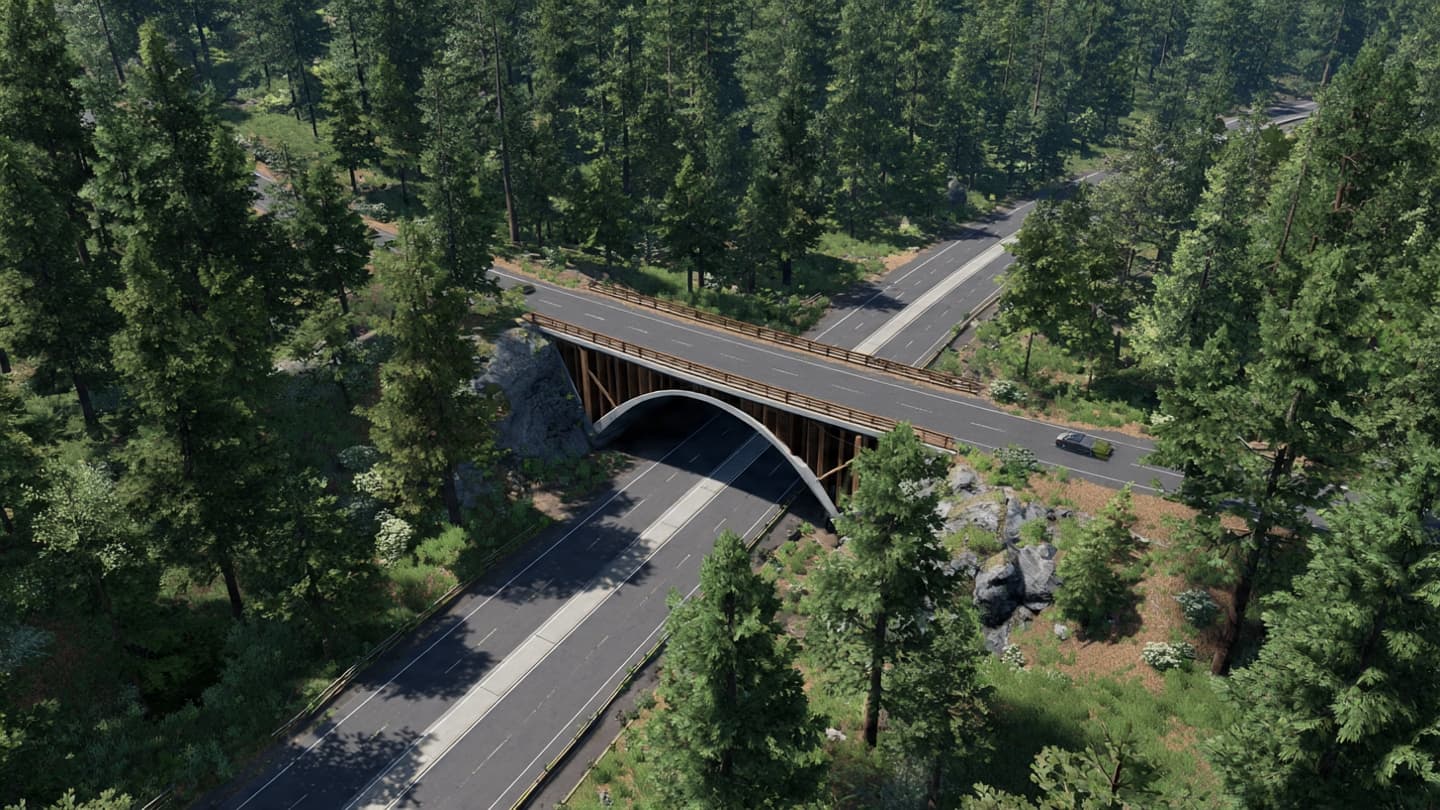
Roads are often symbols of connection. They link cities, shorten distances, and carry people toward new opportunities. Yet for wildlife, those same routes can represent barriers that interrupt ancient pathways followed for generations. Across France, efforts are underway to address this growing challenge through measures designed to reduce wildlife road fatalities.
Conservation experts have long warned that transportation networks can fragment habitats and increase risks for animals attempting to move between feeding grounds, breeding areas, and seasonal territories. For species already facing population pressures, repeated collisions with vehicles can have significant consequences.
Authorities are now examining a variety of solutions aimed at improving coexistence between infrastructure and wildlife. Among the most widely discussed approaches are dedicated wildlife crossings, underpasses, and improved fencing systems that guide animals toward safer routes.
The issue extends beyond large mammals. While deer and wild boar often attract attention due to their size, smaller species also face risks. Amphibians, reptiles, and medium-sized mammals can be affected by busy roads that intersect natural habitats.
Researchers emphasize that movement is essential for ecological health. Animals must be able to travel in search of food, mates, and suitable environments. When movement becomes restricted, populations may become isolated, reducing genetic diversity and increasing vulnerability to environmental changes.
Technology is beginning to play a role in mitigation efforts as well. Some pilot projects explore warning systems capable of detecting animal activity near roadways and alerting drivers in real time. Although still evolving, such innovations reflect growing interest in preventative solutions.
The economic dimension is also significant. Wildlife collisions can result in vehicle damage, injuries, and emergency response costs. Reducing accidents therefore benefits both conservation objectives and public safety concerns.
Local communities, environmental organizations, and transportation authorities frequently collaborate when designing mitigation strategies. Successful projects often depend on understanding animal behavior and identifying locations where crossings occur most frequently.
France’s efforts mirror broader discussions taking place throughout Europe and other regions. As infrastructure networks continue to expand, balancing mobility with ecological protection has become an increasingly important policy consideration.
The challenge ultimately asks societies to rethink how landscapes are shared. Roads remain essential to modern life, but so too does the natural world that surrounds them. By creating safer passage for wildlife, France hopes to ensure that connectivity serves not only people, but the ecosystems that sustain biodiversity as well.
AI Image Disclaimer Images in this article are AI-generated illustrations, meant for concept only.
Source Check Credible sources identified before writing:
Le Monde Reuters France 24 IUCN European Environment Agency (EEA)
Note: This article was published on BanxChange.com and is powered by the BXE Token on the XRP Ledger. For the latest articles and news, please visit BanxChange.com