
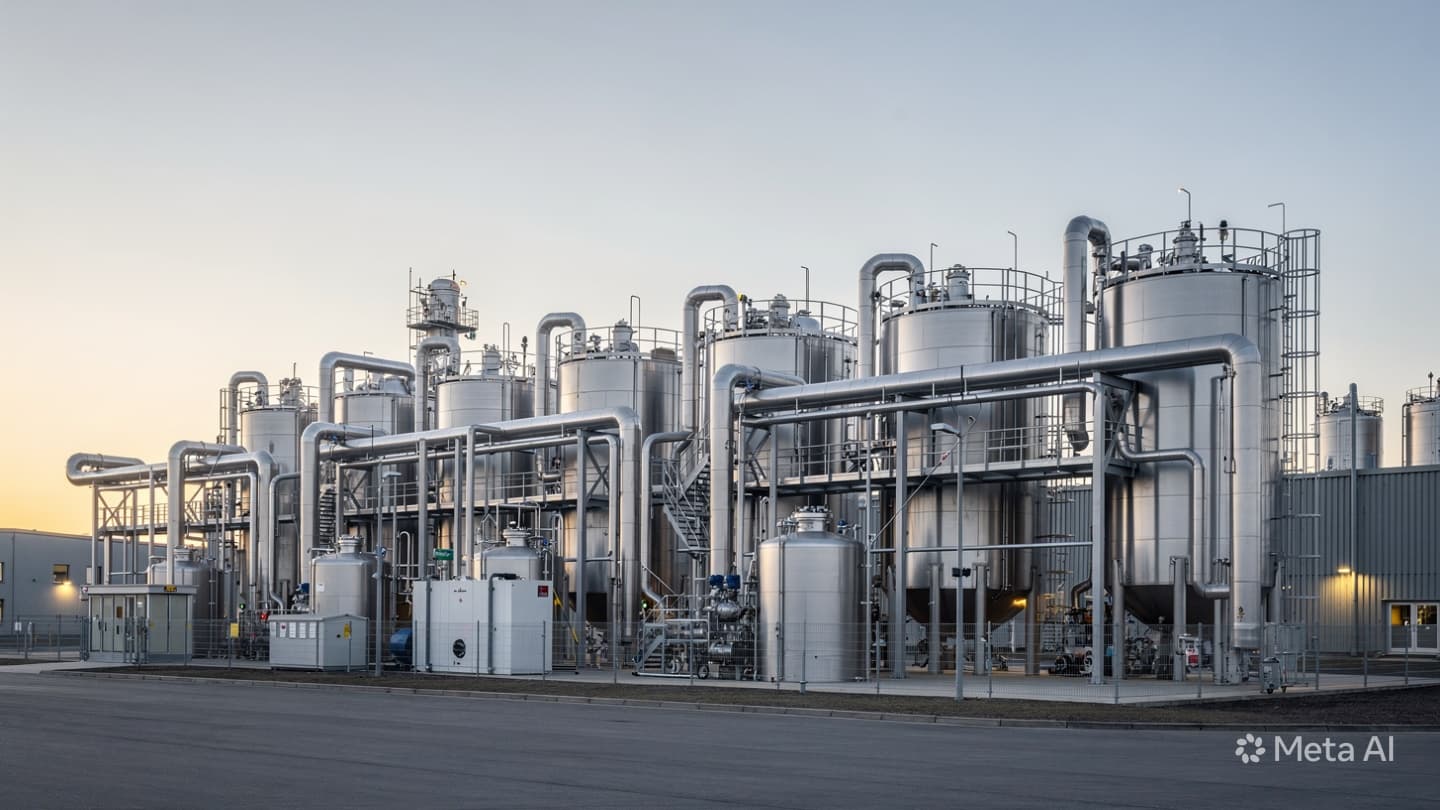
The expansive agricultural valleys flanking the Nistru River serve as a critical economic engine for both mainland Moldova and the adjacent Transnistria borderlands, relying heavily on a network of Soviet-era irrigation infrastructure. This complex system of concrete channels, heavy intake pipes, and massive electric pumping stations works continuously to draw water from the river channel, distributing it across thousands of hectares of high-yield orchards and vegetable fields. Yet, these vital facilities have entered a period of profound structural maturity, where decades of constant mechanical stress and environmental exposure have quietly eroded their foundations from within.
That slow, generational wear culminated in a severe technical emergency when the primary intake manifold at a major regional pumping station suffered a catastrophic structural breach. Without warning, a massive internal pressure valve cracked under the strain of seasonal high-volume operations, allowing river water to rapidly flood the subterranean engine rooms housing the main electric turbines. The sudden deluge overwhelmed the facility's emergency drainage pumps, short-circuiting the main electrical switchboards and bringing the entire regional water-distribution network to an immediate, grinding halt.
The sound of the failing machinery was followed by a heavy, mechanical silence that hung over the riverbank as operators stepped into the flooded corridors to assess the damage. Within hours, the complete cessation of water flow began to ripple across the agricultural sector, leaving local farming cooperatives without the vital resources needed to sustain their crops during a crucial phase of the summer growth cycle. Regional administrative bodies immediately declared a technical emergency, coordinating with border authorities to rush specialized engineering teams and heavy industrial pumping equipment to the isolated site.
Repair crews worked through the night under the glare of mobile floodlights, deploying floating sandbag barriers and diesel-powered extraction pumps to lower the water level inside the flooded turbine halls. The process of salvaging the massive electric motors is exceptionally delicate, requiring technicians to carefully dismantle, clean, and dry each component to prevent permanent structural corrosion. The sound of high-capacity pumps discharging muddy water back into the river channel filled the air, creating a frantic cadence of human resistance against the encroaching river.
By the second day of the crisis, local agricultural experts warned that prolonged failure of the irrigation network could lead to widespread crop failures, threatening the economic stability of hundreds of rural families. On both sides of the river, farmers gathered along the empty concrete canals, looking out over fields of wilting tomatoes and parched orchards with a shared sense of profound anxiety. The incident has exposed the deep, structural interdependence of the border communities, whose shared survival relies entirely on the functional integrity of a single aging pipeline.
The long-term resolution of the crisis will require the complete replacement of the fractured manifold, a complex engineering task that could take weeks due to the specialized nature of the heavy cast-iron components. Local authorities have begun exploring temporary measures, attempting to divert water from smaller secondary reservoirs using mobile agricultural pumps to provide minimal relief to the hardest-hit farms. However, these temporary interventions offer only a fraction of the volume required to sustain the expansive commercial agricultural operations of the district.
The investigation into the cause of the failure is currently focusing on a combination of material fatigue and unmonitored pressure spikes caused by sudden seasonal changes in the river's current. This technical disaster highlights a systemic vulnerability shared by many post-industrial border regions, where critical infrastructure remains trapped between past engineering choices and modern economic limitations. The story of the Nistru pumping station is a somber reminder of the invisible networks that dictate the success or failure of our shared landscapes.
As the morning mist began to clear from the surface of the river, the mechanical rhythm of the repair operation continued unabated beneath the gaze of local border guards. The valley remains in a state of anxious suspension, waiting for the moment when the heavy turbines will roar back to life and restore the life-giving flow to the parched earth. The memory of the breach will remain as a powerful warning of the hidden fragility that slumbers beneath the grandest public works of our collective past.
Note: This article was published on BanxChange.com and is powered by the BXE Token on the XRP Ledger. For the latest articles and news, please visit BanxChange.com