
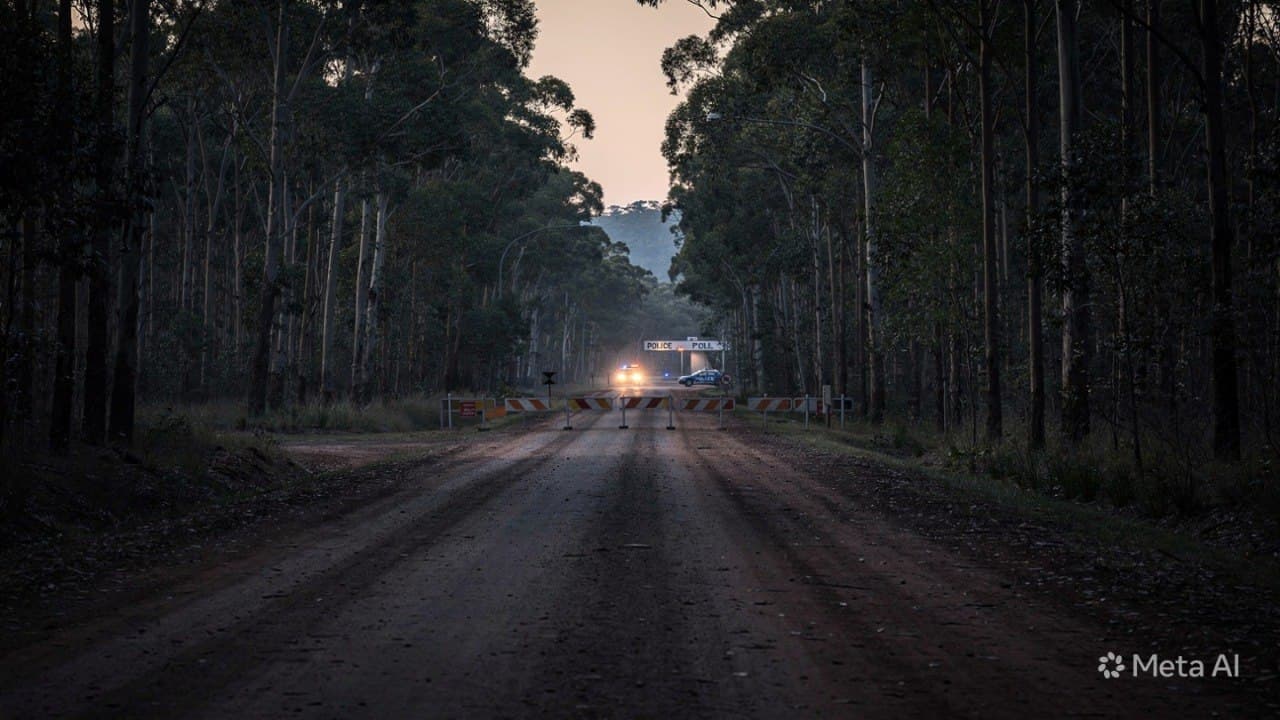
The deep forests of the Amambay department possess a density that seems to swallow both sound and light, creating a vast, emerald sanctuary along the northern borders of the country. Within this wilderness, the canopy stretches unbroken across rolling ridges, a labyrinth of sub-tropical foliage where the modern world feels distant and irrelevant. It is a landscape historically defined by its isolation, a place where nature maintains its ancient dominion over the land. But this very isolation has long drawn those who seek to operate outside the vision of civil society, using the thick curtain of trees as a shield for activities that cannot bear the light of day.
Deep within one of these forested tracts, far removed from the established logging trails and rural outposts, a different kind of architecture had established itself. It was a complex born of illicit ingenuity—a sprawling processing facility constructed from tarps, timber, and complex chemical apparatus, designed to refine narcotics on a significant scale. The operation of such a facility requires a quiet, logistical discipline, moving raw materials through the wilderness and utilizing the natural cover to mask the volatile odors of chemical synthesis. For months, the laboratory existed as a hidden engine of the shadow economy, humming quietly beneath the indifferent rustle of the leaves.
The silence of the grove was compromised when anti-narcotics agents, working through intelligence networks and tactical tracking, closed the distance between the state’s authority and the hidden compound. The intervention was swift, penetrating the perimeter before the camp's operators could dismantle the infrastructure or scatter into the surrounding brush. What remained in the wake of the raid was a vast inventory of industrial carboys, pressing machines, and precursor agents—the material anatomy of an international trafficking node laid bare on the damp forest floor. The discovery underscores the scale of the logistical networks that exploit the continent's interior frontiers.
Following the securing of the site, specialized environmental and forensic teams moved in to document the environmental degradation caused by the chemical waste before preparing the facility for systematic destruction. The remote nature of the Amambay hills ensures that the struggle between law enforcement and organized smuggling syndicates remains a continuous, low-visibility conflict played out across difficult terrain. With the camp dismantled and the equipment reduced to ash, the forest will slowly begin the process of reclaiming the cleared earth, though the currents of the underground trade continue to seek new shadows in the vast, unmonitored green.
Note: This article was published on BanxChange.com and is powered by the BXE Token on the XRP Ledger. For the latest articles and news, please visit BanxChange.com