
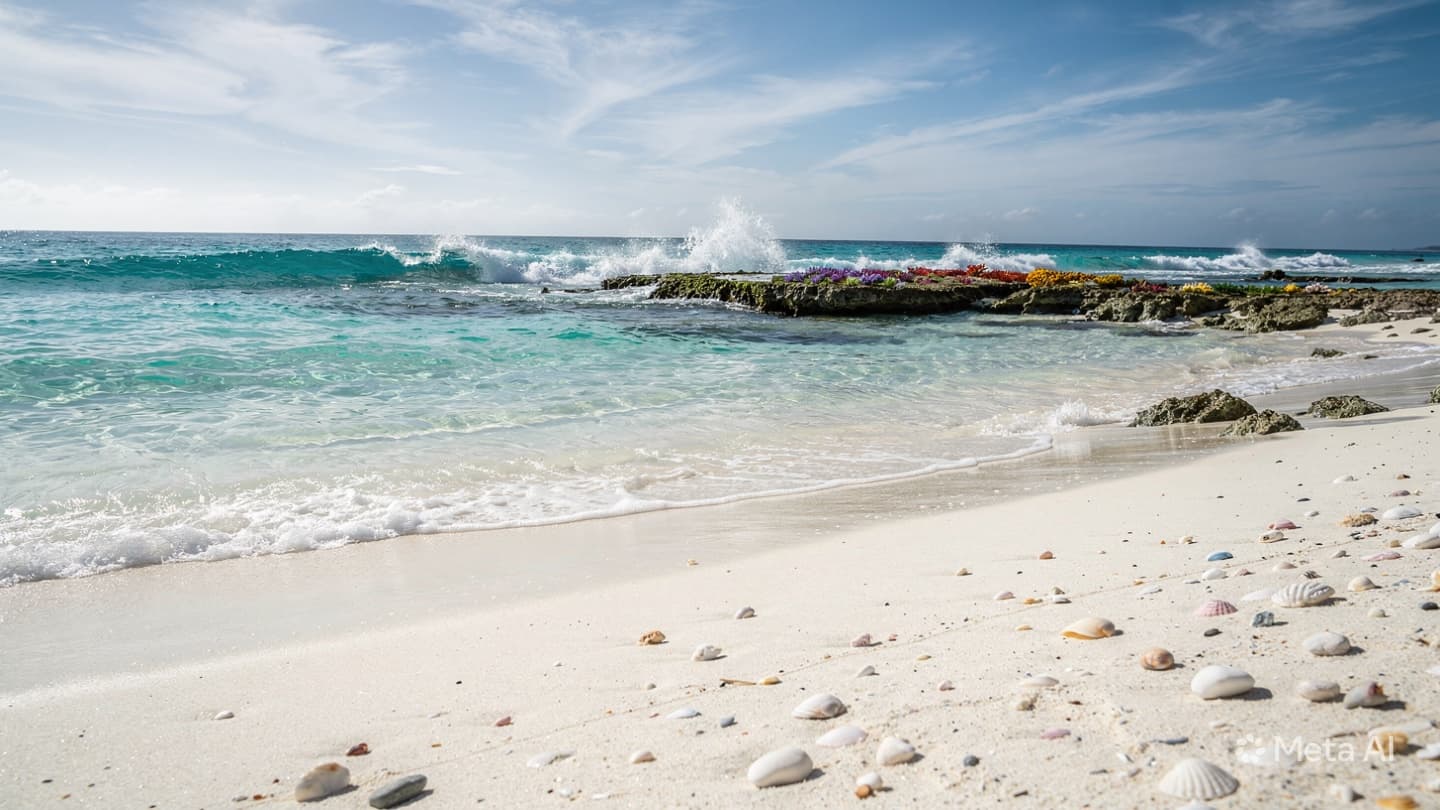
The ocean, for all its majesty and the way it seems to welcome the gaze, is a place of profound and often hidden movement. In the heat of mid-summer, the beaches of Okinawa become a theater of leisure, a place where the barrier between the human and the elemental feels blissfully thin. Yet, beneath the crystalline turquoise surface, there exists a pulse, a rhythm of tide and pressure that does not always align with the desires of those who enter the water. A rip current is not a wave, but a silent, insistent force—a river of the sea that travels away from the shore, indifferent to the swimmer’s strength.
It is a tragedy of perception. To the observer on the sand, the water looks tranquil, a shimmering expanse that promises respite from the heavy humidity of a June afternoon. One enters with the assumption of safety, trusting in the familiarity of the shallows. But the transition from the safe, sun-drenched knee-deep water to the pull of a rip current can happen with a suddenness that defies logic. The sea simply opens up, a subtle shift in the seabed’s topography creating a path of least resistance for the returning tide, and in an instant, the shore begins to recede.
The Coast Guard in Okinawa is well-acquainted with this paradox. They spend their days monitoring a coastline that is as treacherous as it is beautiful, knowing that the very features which make the beaches so inviting—the coral reefs, the breaks in the shallows—are the catalysts for these invisible currents. When a distress call arrives, it is rarely for the dramatic—no great storms or raging surf—but for the quiet, chilling realization that one is no longer in control. The struggle is not against a monster, but against the sheer, relentless persistence of the water itself.
When the warning signs are missed or the water’s hidden geometry remains unseen, the result is a swift, somber interruption to a day of peace. The recovery of a victim after a rip current incident is a heavy task, one performed with the somber focus of professionals who understand the sea’s absolute lack of mercy. There is no argument to be made with a current; it simply is. It operates on the logic of volume and gravity, an impartial system that claims its toll without malice or intent.
For the families and the witnesses, the shift from a day of leisure to an afternoon of grief is jarring. The beach, which felt like a playground, suddenly becomes a site of intense, localized trauma. The ocean continues its rhythmic motion, waves lapping at the sand as if nothing has transpired, highlighting the profound distance between human concern and the natural world. It is a lesson in humility, a reminder that we are visitors in a domain that does not recognize our fragility.
The investigation into such a death is rarely about blame; it is an analytical look at the conditions that aligned to create the hazard. The Coast Guard examines the tides, the wind speed, and the specific currents of the day, seeking to map the invisible dangers for future swimmers. They document the location, the conditions of the seabed, and the timing of the event, hoping to prevent the next silent reach of the current. It is a necessary, if mournful, process that seeks order in the wake of chaos.
As the day turns to dusk, the Okinawa coastline begins to return to its own rhythm. The tourists have cleared the sand, and the water is left to its own devices, a vast and indifferent expanse of blue. The incident serves as a quiet, chilling reminder of the sea’s hidden power, a note of caution written in the language of the tide. In the quiet, the water remains, holding its secrets and its currents, waiting for the next day, the next swimmer, and the next cycle of the sun.
The Coast Guard has confirmed the death of one individual swept out by a rip current at an Okinawa beach on June 18, 2026. Safety warnings remain in place for swimmers across the region as conditions are monitored.
Published by Banx Network. This article is part of the Banx decentralized media programme, powered by the BXE token on the XRP Ledger.

.jpg&w=3840&q=75 "Blake Lively Awarded $400,000 in Legal Fees After Justin Baldoni Lawsuit Dismissed")
