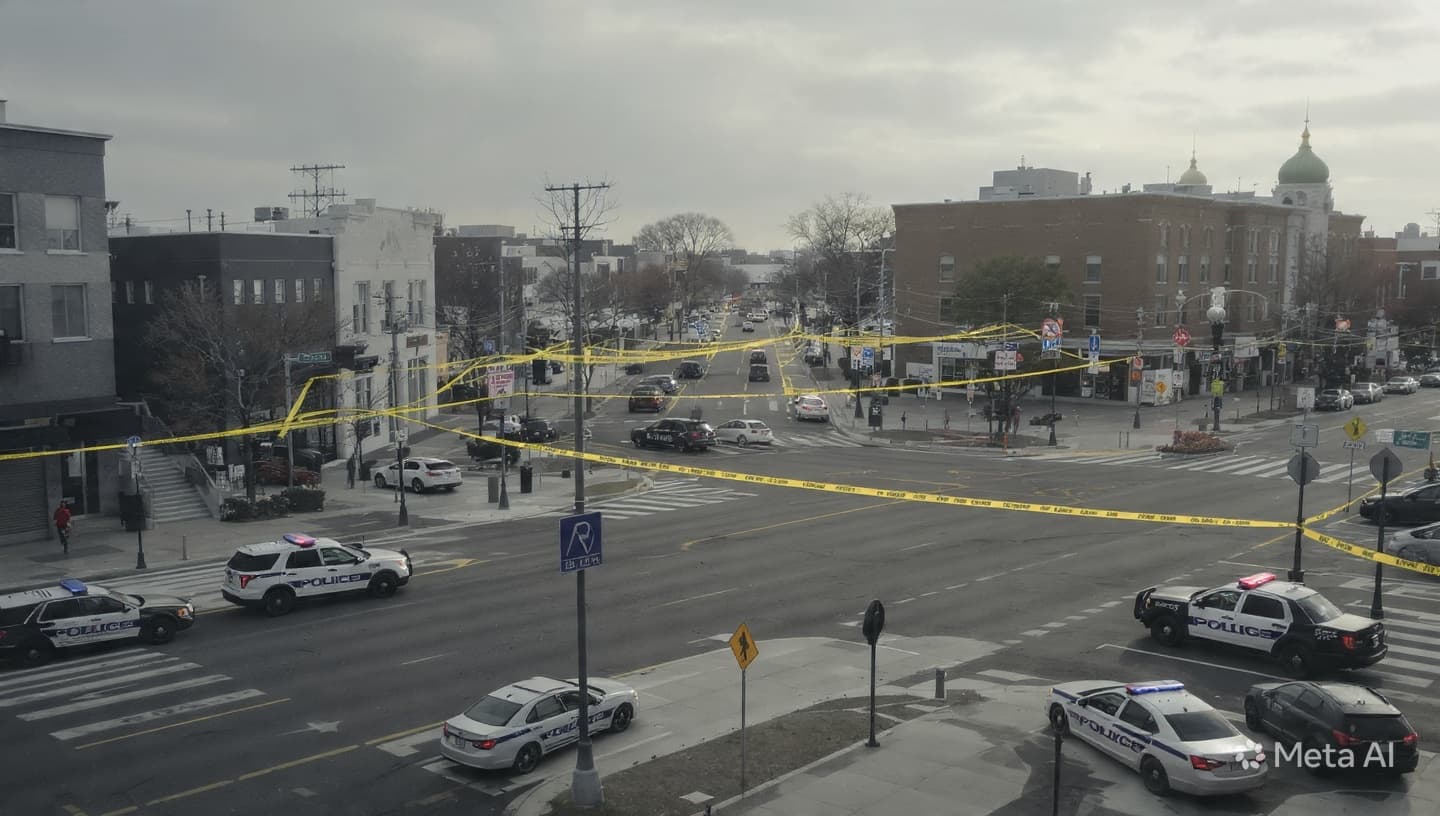
The morning in the Côte-des-Neiges neighborhood began as any other, with the rhythmic intersection of commuters, residents, and the routine commerce that sustains the rhythm of urban life. Yet, shortly before noon, this ordinary sequence was interrupted by an event that would irrevocably alter the landscape of the day. A suspect, engaged in a violent act, initiated a confrontation that demanded an immediate and decisive response from the local authorities. The subsequent moments, marked by the discharge of weapons and the swift movement of police, stripped away the veneer of predictability, leaving behind a neighborhood forced to reckon with the stark, sudden presence of mortality.
In the ensuing chaos, the suspect met a final end at the hands of responding officers. It was a resolution as abrupt as the commencement of the violence, yet it left no space for the usual explanations or the nuanced understanding that time typically affords. When the activity ceased, the silence that fell over the area felt heavy, a physical manifestation of the gravity of what had just transpired. The neighborhood, accustomed to the familiar sounds of transit and neighborhood interaction, was suddenly defined by the absence of the voices and lives that had been silenced in the fray.
The Service de police de la Ville de Montréal (SPVM) found themselves at the center of this tragedy, having to navigate not only the immediate tactical response but the subsequent burden of loss. The identification of the deceased suspect remains secondary to the broader impact the incident has had on the force and the public they serve. There is a sense of detachment in the official narrative, yet the personal toll on those who were tasked with ending the threat is palpable. For the responding officers, the event represents a boundary crossed, a moment in time that will remain fixed in their collective history.
The investigation into the circumstances surrounding the suspect’s actions is now the primary focus for authorities, with Quebec’s police watchdog, the Bureau des enquêtes indépendantes, tasked with overseeing the inquiry. While the tactical nature of the situation is clear—a suspect neutralized after a fatal exchange—the underlying motivations and the path that led to such a decisive point remain a subject of intense scrutiny. We observe these processes from a distance, recognizing the necessity of the procedure while remaining acutely aware of the human, messy reality that necessitates such oversight.
It is rare for a neighborhood to be thrust into the spotlight through such a lens of violence. The Côte-des-Neiges area, known for its diversity and its role as a hub for Montreal's Jewish community, has been a place of resilience and growth. To see it marked by an event of this nature is to witness the fragility of our shared peace. The caution urged by local police throughout the day—asking residents to avoid the vicinity and remain indoors—highlighted the tension that, for a time, suspended the normal operations of the city.
As the authorities cleared the perimeter and the investigation began in earnest, the community turned toward the task of mourning and processing. The loss of a police officer and a civilian served as a sobering anchor for the conversation, grounding the abstractions of crime and response in the very real and painful experience of bereavement. The public response, ranging from messages of support for the injured officer to the somber lowering of provincial flags, reflected a desire to reclaim the neighborhood from the narrative of the event.
The clinical nature of news reports often fails to capture the emotional atmosphere that lingers after such a departure. Words like "neutralized" and "fatal encounter" carry a weight that transcends their dictionary definitions, signaling an end that is both final and complicated. In the case of this Montreal shooting, the ending was as definitive as it was tragic, marking a day where the unexpected claimed the foreground. The city, in its own time, will return to its standard rhythm, but the mark left by the events of Monday will remain, etched into the memory of those who were there.
Ultimately, we are left to observe the aftermath with a measure of restrained reflection. The suspect’s end is a fact of the record, a detail in a sequence of events that disrupted the peace of a Montreal morning. While the legal and forensic processes will continue to unfold, the human element—the tragedy of lives cut short and the trauma inflicted upon the community—is what endures. It is a quiet, contemplative observation of the cost of violence, a reminder that behind every headline lies a story that has reached a premature and sorrowful conclusion.
Published by Banx Network. This article is part of the Banx decentralized media programme, powered by the BXE token on the XRP Ledger.