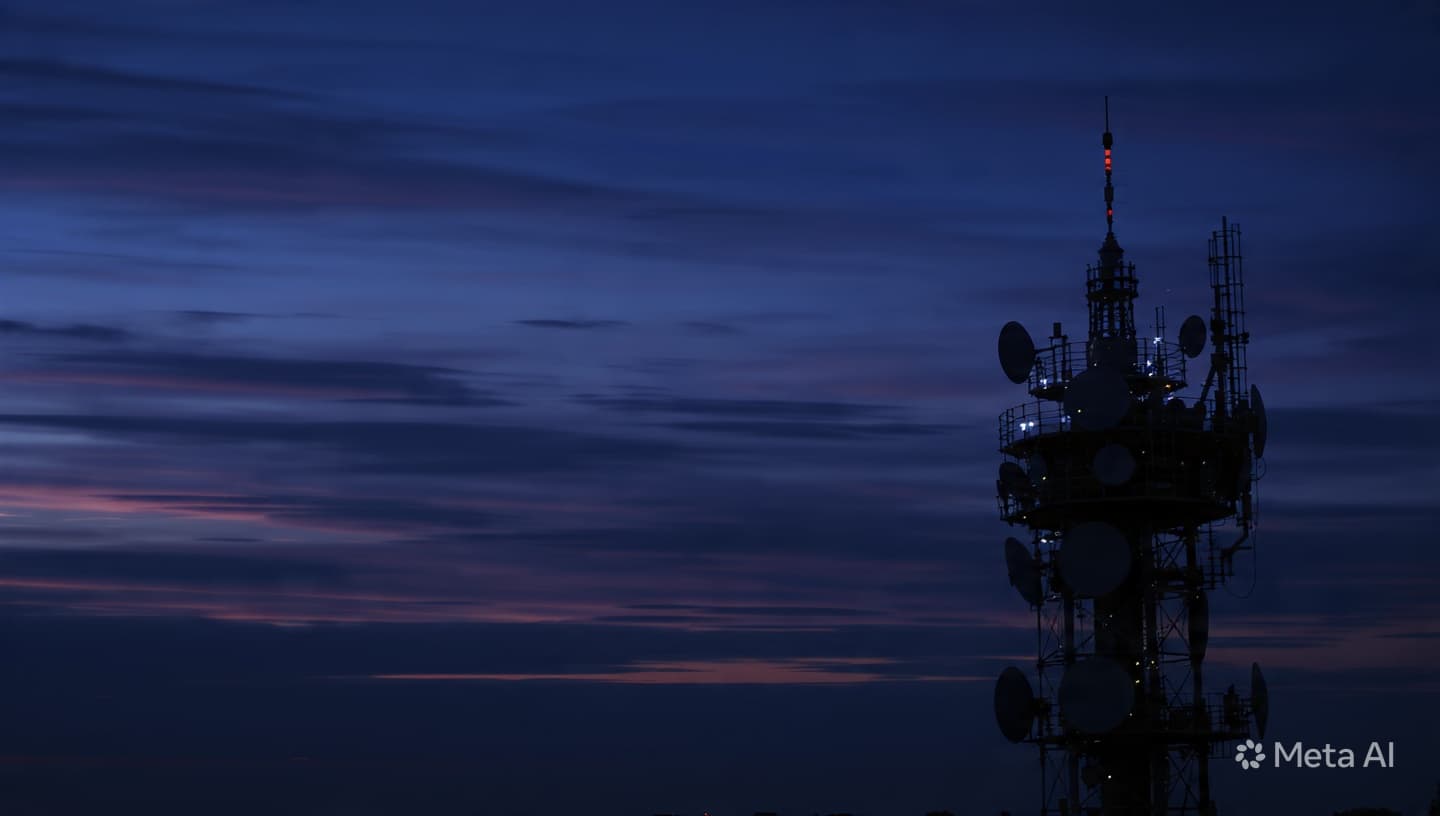
The notion of a border has historically been rooted in the physical—the line of stone, the river, or the fence. But in the contemporary age, the frontier has ascended. It now exists in the thin, invisible air above our heads, a space that is increasingly traversed by the small, persistent shadows of foreign drones. The rising reports of these incursions are not merely instances of technological nuisance; they are markers of a profound shift in how we understand the integrity of our sovereign space.
We reflect on the safety concerns prompted by these overflights with a sense of growing apprehension. The drone, in its various guises—whether serving as a scout, a sensor, or a tool of disruption—represents a new class of threat that defies the traditional protocols of defense. When these machines cross into protected airspace, they do more than just violate a border; they expose the limitations of our ability to monitor, attribute, and respond to the persistent, low-level challenges to our territorial integrity.
The atmospheric tension is palpable in the diplomatic discourse that follows each incursion. It is a game of protest and denial, of radar data and public statements, where the truth is often obscured by the very nature of the technology itself. To observe these patterns is to see a modern form of friction, a persistent testing of limits that seeks to normalize the presence of the intruder within the heart of the home.
Observers of the current security environment note that this is a symptom of a larger, global realignment. The ability to project a presence—to observe, to map, and to disturb—without the need for the physical movement of troops has fundamentally changed the calculus of power. Our airports, our energy facilities, and our urban centers are no longer distant from the currents of conflict; they are increasingly at the center of a diffuse, aerial competition for control and influence.
In our collective reflection, we must ask what the normalization of these incursions implies for the future of our civil society. Does a space remain 'safe' if it is constantly watched, mapped, and audited by a foreign eye? The concern for safety is not merely about the risk of a crash; it is about the erosion of the sense of sanctuary that defines a home, a city, or a nation. We are entering a phase where the sky must be actively defended, not just through the force of arms, but through the strength of our unity and the clarity of our policies.
As we look toward the development of a united response, we see the necessity of a new, aerial compact. It involves a commitment to shared situational awareness, a synchronization of detection capabilities, and a unified voice in the face of provocation. The challenge is immense, but it is also an opportunity to define the norms of a future where the frontier is as secure as the ground beneath our feet.
Ultimately, the concern over foreign drone incursions is a call to awaken to the realities of a changing world. It is a reminder that the boundaries we once took for granted are being redefined by the relentless pace of innovation. To defend the peace of our transit and the security of our infrastructure is to engage in a new, necessary dialogue—one that affirms that our skies are not a vacuum to be exploited, but a sovereign space to be preserved.
European defense and civil aviation authorities have accelerated discussions on a coordinated response to the increasing frequency of foreign drone incursions near critical infrastructure. Following reports of territorial airspace violations, the European Commission is finalizing a blueprint for stronger cross-border cooperation on counter-drone capabilities. Intelligence agencies continue to monitor the origin of these flights as part of a strategic effort to enhance the protection of the bloc's external borders.
Published by Banx Network. This article is part of the Banx decentralized media programme, powered by the BXE token on the XRP Ledger.