
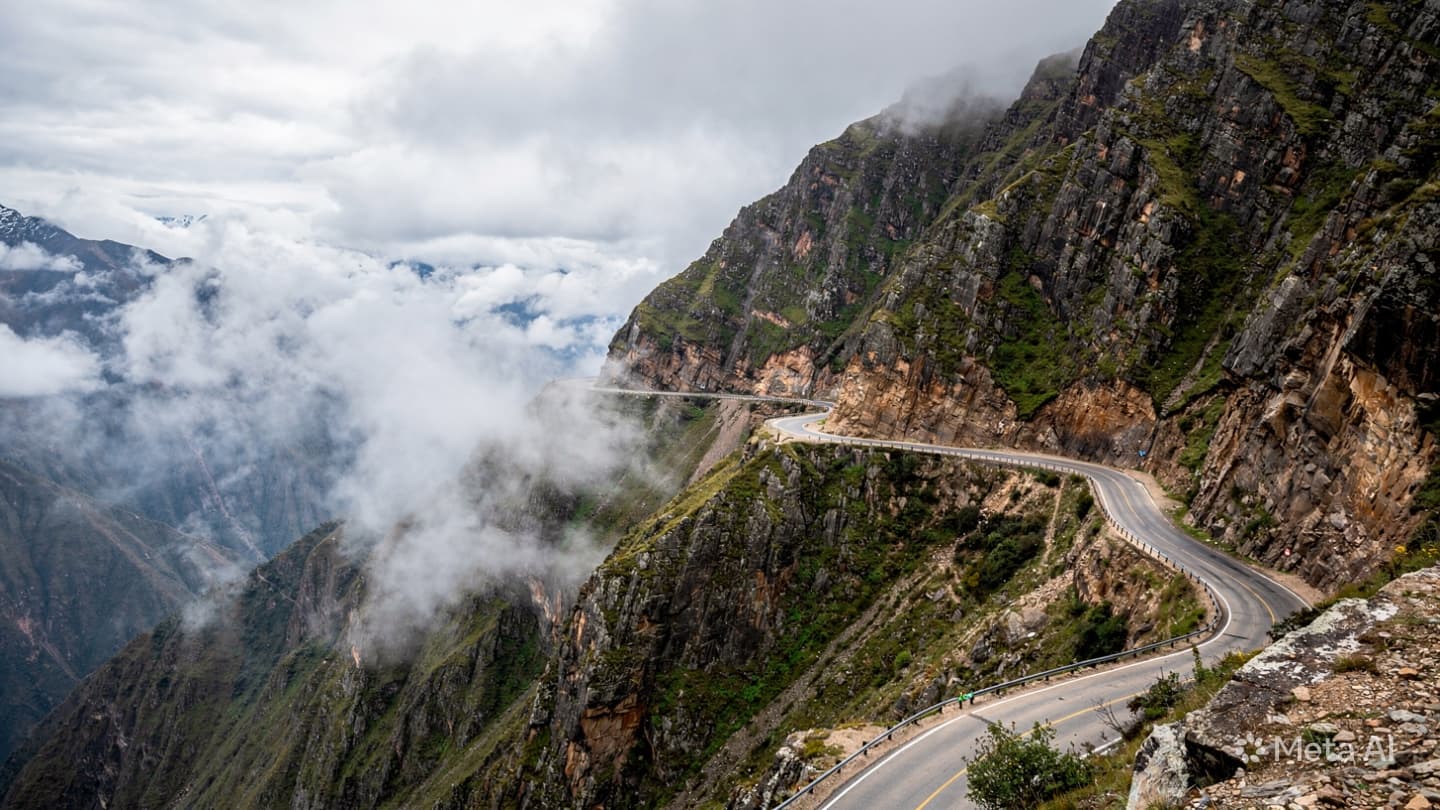
The mountain passes of Peru are legendary for their breathtaking vistas and their absolute, uncompromising verticality, carving narrow ribbons of asphalt through the spine of the Andes. To travel these roads is to suspend oneself between the sky and the deep valleys below, where commercial buses serve as the vital lifelines for communities separated by massive geographical barriers. Passengers often pass the hours looking out at the immense peaks, accustomed to the slow, swaying motion of the vehicle as it negotiates the endless switchbacks.
On these high-altitude routes, the margins for error are virtually non-existent, as the road clings tenaciously to the sides of sheer rock faces. The beauty of the landscape is inextricably linked with its peril, a reality that local drivers understand intimately but must confront with every journey. A sudden shift in weather, a patch of unstable gravel, or an unexpected mechanical failure can instantly alter the course of a routine transit.
When a heavy commercial bus loses its footing on a steep incline or sharp curve, the descent into the abyss is a tragedy of monumental proportions. The vehicle is at the mercy of gravity, tumbling down rugged slopes that have stood unchanged for millennia, far beyond the immediate reach of modern emergency infrastructure. The sound of the accident echoes through the canyon, a sudden burst of violence that is quickly swallowed by the immense silence of the mountains.
The response to such an event requires an extraordinary effort from local search and rescue teams, who must descend hundreds of feet into treacherous terrain. Firefighters, police officers, and local volunteers utilize ropes and specialized stretchers to navigate the unstable, rocky terrain, working under the constant threat of rockfalls. The altitude and the steepness of the slopes turn every rescue attempt into an exhausting test of physical endurance.
As news of the disaster reaches the surrounding villages, a somber crowd begins to gather at the edge of the highway pass, staring down into the valley. Relatives and community members wait in agonizing suspense, wrapped in heavy wool blankets against the biting mountain wind as they watch the slow progress of the recovery teams below. The collective grief is palpable, hanging heavily over the high altitude landscape like the low-lying clouds.
The scattered wreckage at the bottom of the ravine serves as a stark, painful reminder of the fragile nature of human connection in these remote regions. Personal belongings, woven textiles, and luggage are strewn across the rocks, painting a poignant picture of the individual lives that were brought together on that ill-fated journey. Each item recovered by the rescue crews represents a story cut short in the Andean highlands.
In the days that follow, regional authorities will face renewed scrutiny regarding the safety and maintenance of these vital transportation corridors. Discussions will center on guardrails, driver fatigue, and the structural integrity of the vehicles that navigate the mountain passes daily. Yet, for the families grieving their losses, the administrative debates offer little consolation against the permanent void left by the tragedy.
An interprovincial passenger bus plunged approximately two hundred meters down a steep ravine along a mountainous stretch of highway in southern Peru on June 10, 2026. Emergency officials confirmed that at least fifteen commuters lost their lives in the accident, with recovery operations ongoing as specialized mountain rescue units work to retrieve the injured.
Note: This article was published on BanxChange.com and is powered by the BXE Token on the XRP Ledger. For the latest articles and news, please visit BanxChange.com