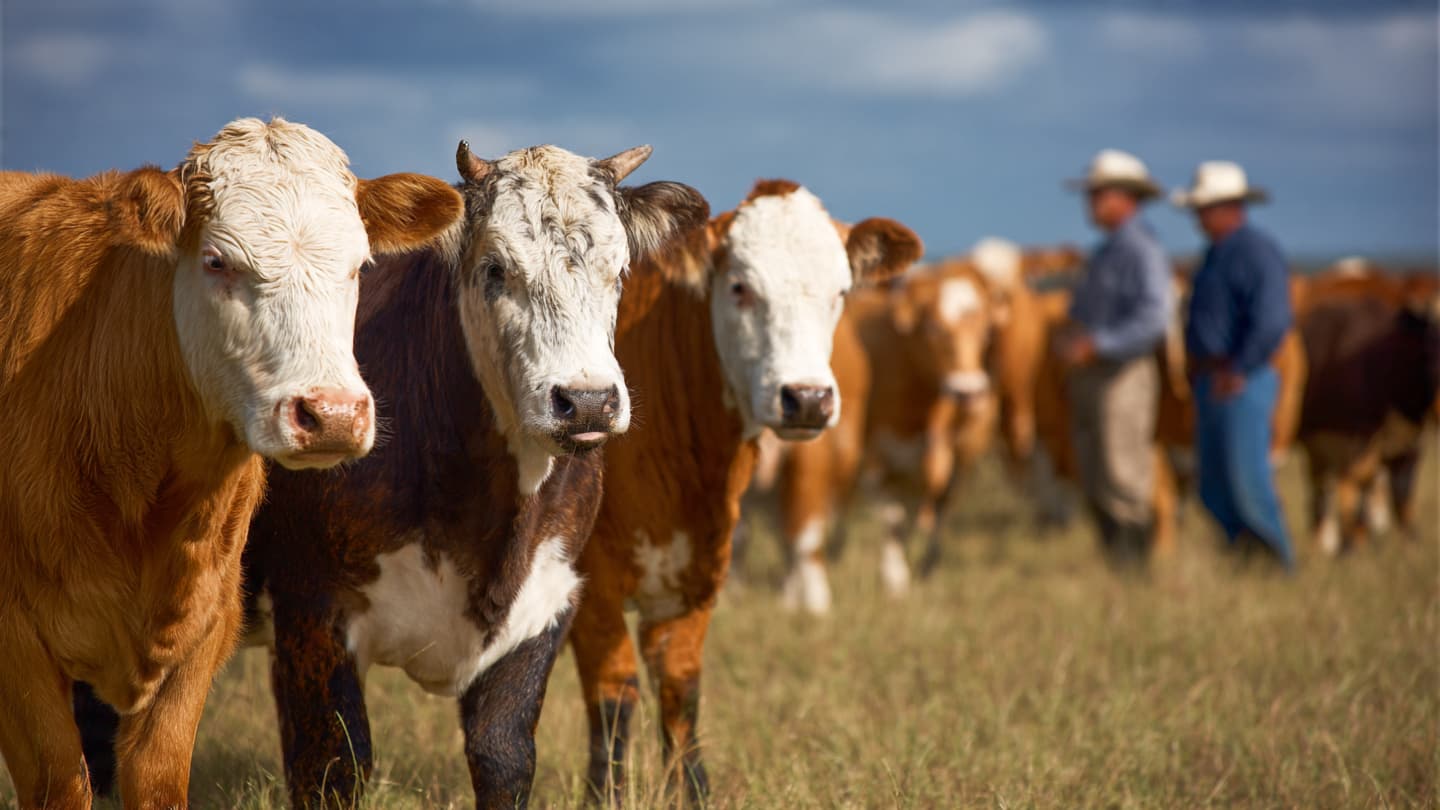
Across ranchlands and open pastures, much of agriculture depends on quiet routines repeated day after day. Yet occasionally, a small biological threat emerges and commands national attention, reminding producers that vigilance remains as important as productivity.
Body:
Federal officials have confirmed additional cases of the New World screwworm, a flesh-eating parasite whose larvae feed on living tissue. New detections in Texas and New Mexico have heightened concerns among agricultural authorities and livestock producers.
The parasite was once eradicated from the United States through an extensive control campaign. Recent discoveries, however, have prompted renewed monitoring efforts as officials work to prevent wider spread.
According to the U.S. Department of Agriculture, newly confirmed cases involve livestock and other animals, demonstrating the parasite's ability to affect a range of warm-blooded hosts. Investigations into each case remain ongoing.
Unlike many insects that feed on decaying material, screwworm larvae consume living flesh after eggs are deposited in wounds or vulnerable tissue. Untreated infestations can cause severe injury and even death in affected animals.
Agricultural officials have responded by expanding surveillance efforts and implementing containment measures. A key strategy involves releasing sterile flies, a technique that helped eliminate the pest from the United States decades ago.
Texas authorities have also intensified preparedness measures. Some counties have entered quarantine protocols while state and federal agencies coordinate inspections, reporting systems, and producer outreach programs.
Experts emphasize that the threat is primarily directed at livestock, wildlife, and pets. Human infections remain uncommon, though officials encourage prompt reporting of suspected cases and careful monitoring of animal health.
Closing:
The discovery of additional screwworm cases underscores the challenges of managing agricultural pests in a connected region. Federal and state agencies continue working to contain the outbreak while ranchers and veterinarians remain on alert for signs of further spread.
AI Image Disclaimer: Any accompanying imagery has been generated with AI to provide a visual representation of the topic.
Sources Verified: Associated Press, USDA, Reuters, The Guardian
Published by Banx Network. This article is part of the Banx decentralized media programme, powered by the BXE token on the XRP Ledger.