The Chiquibul Forest moves to a ancient and intricate rhythm, where the dense canopy filters the tropical sun into a perpetual emerald twilight. This vast wilderness, stretching across rugged limestone hills and deep river valleys, holds some of the region's most precious natural heritage. Giant mahogany trees and rare wildlife thrive in the isolated interior, far removed from the modern infrastructure of the coast. Yet, this very isolation has long made the forest a target for those who seek to exploit its riches in secret.
For weeks, a quiet friction had been developing in the deepest sectors of the reserve, invisible to the outside world. Unmarked trails had begun to appear through the undergrowth, and the distant, muffled sound of chainsaws occasionally disrupted the natural symphony of the jungle. These small anomalies did not escape the attention of the specialized ranger units tasked with guarding the wilderness. Moving like shadows themselves, the wardens tracked the subtle disruptions across miles of challenging terrain.
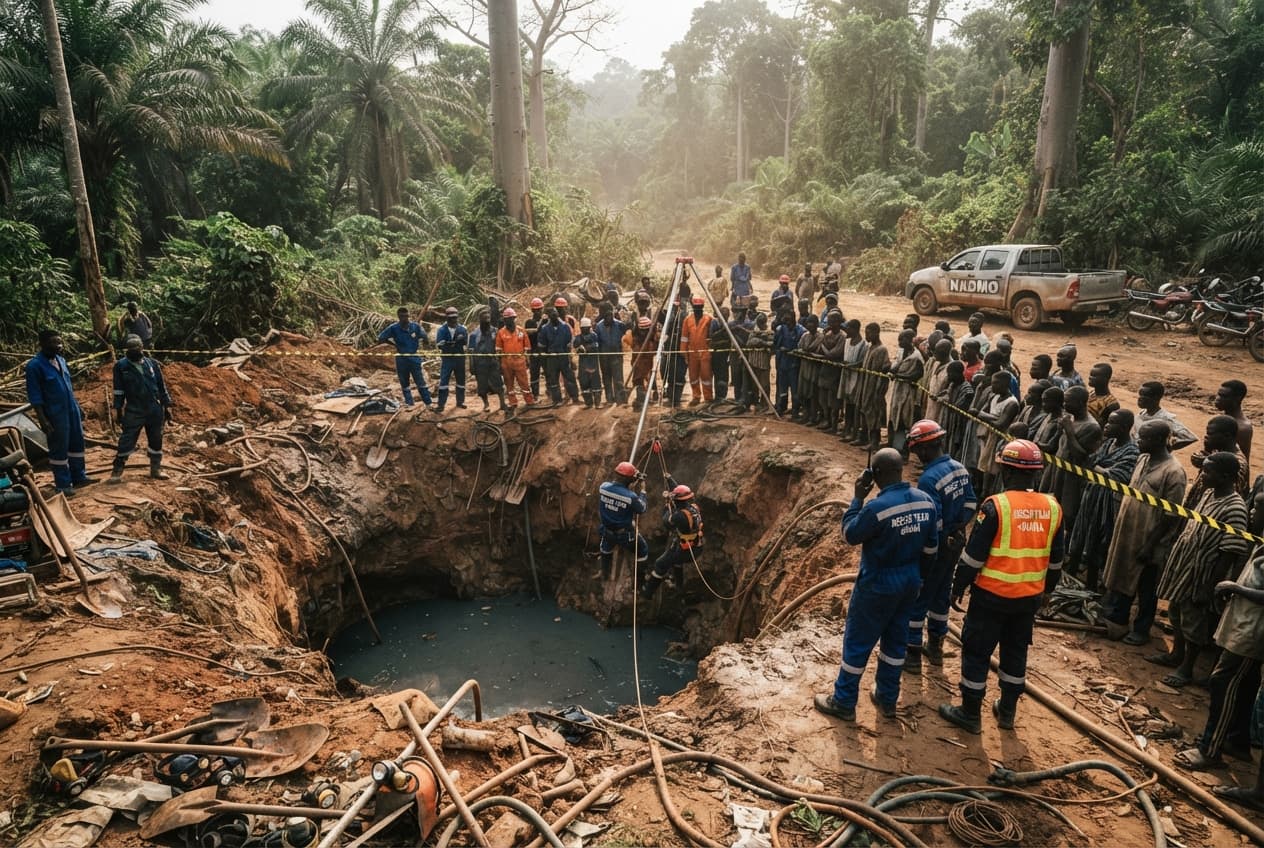
The pursuit culminated in a secluded valley where the illegal syndicate had established a temporary base of operations. The encounter was defined by a quiet, tactical efficiency rather than overt drama. Emerging from the thick foliage, the rangers surrounded the encampment before the loggers and poachers could react. In the sudden stillness that followed the command to freeze, the complex machinery of the illicit operation lay exposed under the filtered sunlight.
Heavy machinery, chainsaws, and makeshift camps spoke to an organized effort to strip the forest of its high-value resources. Several mature hardwoods, which had stood for centuries as vital components of the ecosystem, had already been felled and prepared for transport across the porous border. Nearby, evidence of illegal wildlife poaching indicated a broad disregard for the conservation laws that protect the sanctuary's biodiversity. The scale of the intrusion was a sobering reminder of the constant pressure facing the reserve.
The rangers worked methodically to secure the site, cataloging the contraband and dismantling the equipment used to breach the forest's defense. The suspects were placed in custody, their long journey out of the wilderness beginning under the watchful eyes of the wardens. The forest around them seemed to reclaim its quiet space as the mechanical noise of the logging operation was permanently silenced. The successful intervention marked a critical victory in the ongoing effort to preserve the integrity of the Chiquibul.
The extraction process required navigating narrow, muddy tracks that offered little quarter to wheeled vehicles, forcing the team to travel largely on foot. Every step through the dense mud was a physical testament to the difficulties of wilderness law enforcement. The rangers maintained a steady, vigilant pace, knowing that the surrounding hills could still hold hidden lookouts or accomplices. The humid air remained heavy, a constant weight on the procession as it moved toward the reserve's perimeter.
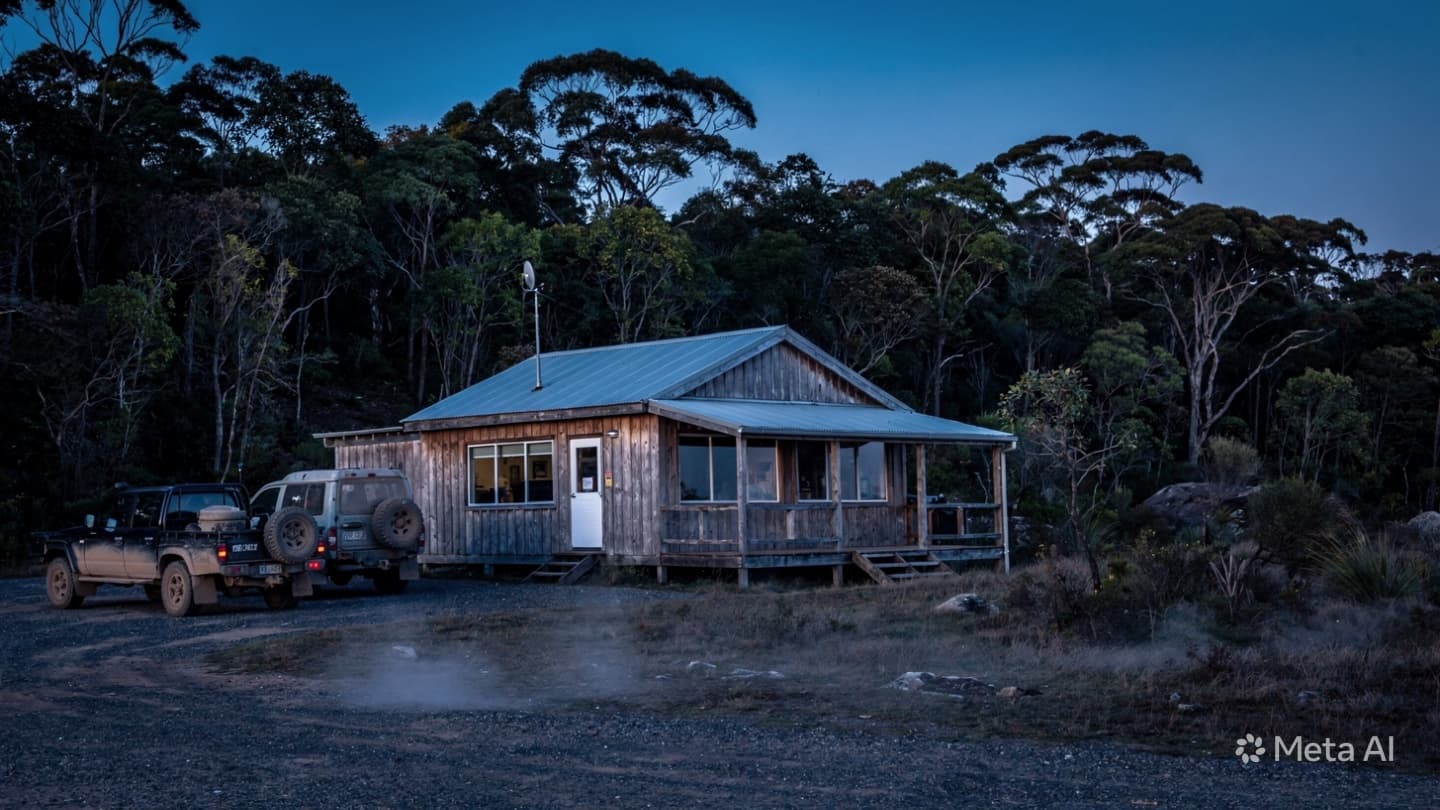
Back at the conservation headquarters, the arrival of the captured equipment drew a small crowd of researchers and forestry officials. The successful operation provided a brief moment of reassurance for those who dedicate their lives to studying and protecting the region's ecology. However, the underlying realization remained that as long as high-value timber and rare wildlife command high prices on the black market, the borders of the sanctuary will remain vulnerable.
The Friends for Conservation and Development, alongside local law enforcement, issued a formal statement regarding the Chiquibul operation. Rangers detained five individuals discovered inside the national park borders with poached wildlife and several thousand board feet of illegally harvested mahogany. The suspects have been handed over to police authorities for formal prosecution under the National Protected Areas System Act. Officials emphasized that forest patrols will be intensified along vulnerable border corridors to deter future logging incursions.
Published by Banx Network. This article is part of the Banx decentralized media programme, powered by the BXE token on the XRP Ledger.