
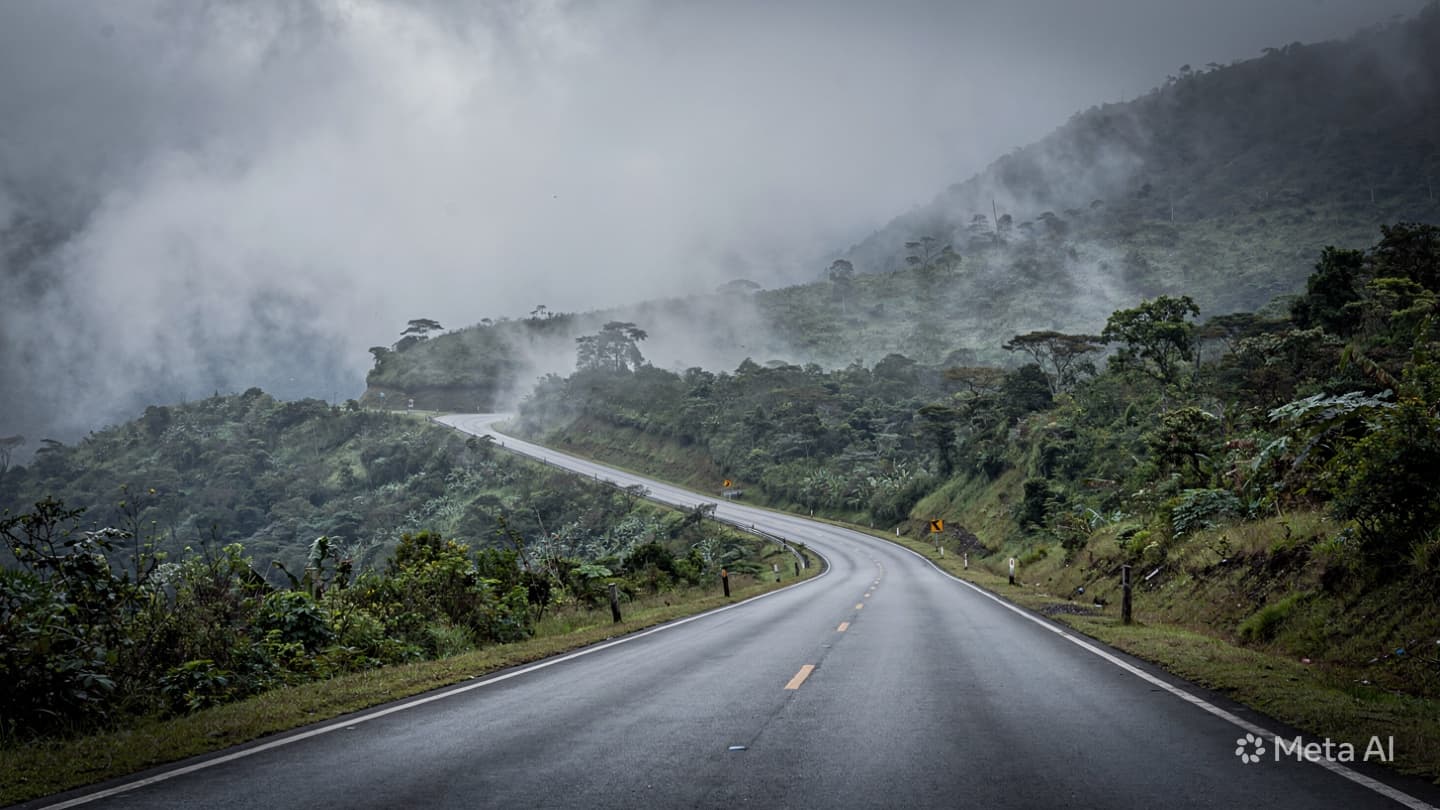
The long, winding mountain highways connecting the departments of southwestern Colombia have long been more than just concrete and asphalt. They are the fragile threads that sew remote agricultural settlements into the economic fabric of a shifting nation. For generations, small trucks stacked high with green plantains, crowded inter-city buses, and local commuters have traversed these deep valleys under skies that shift quickly from blistering sun to thick, heavy fog. To move through this terrain is to understand the quiet rhythm of a landscape defined by its rugged isolation and beauty.
Yet, a profound stillness has fallen over these vital transit veins as a sudden wave of coordinated violence has fractured the region’s daily movement. Over the course of a single, agonizing weekend, more than two dozen targeted assaults struck transportation corridors, state military checkpoints, and rural police outposts alike. The peace of the countryside was shattered by the sharp detonation of an explosive device hidden along the historic Pan-American Highway in the municipality of Cajibío. The blast tore through a passing civilian bus, instantly turning an ordinary journey into an unthinkable tragedy.
In the aftermath of the smoke, the human toll of this coordinated campaign began to crystallize under a somber afternoon sky. At least twenty individuals lost their lives, their journeys permanently cut short, while dozens more were rushed to nearby regional clinics with severe injuries. The suddenness of the offensive left local authorities struggling to secure the perimeters of roads that are usually filled with the clamor of trade. The regional government quickly declared three days of official mourning, a quiet acknowledgment of the communal shock that spreads when ordinary transit becomes a gamble against fate.
This recent surge of hostility points back to the deep-seated friction between illegal armed organizations vying for control of the region's lucrative, hidden supply lines. In the high, dense canopy surrounding the valleys, dissident factions of the former FARC guerrilla movement continue to operate, asserting their presence through sudden shows of force. For the local communities residing along these major roads, the presence of these heavily armed groups is a constant, ambient shadow. The landscape itself seems to hold its breath every time a vehicle slows down at an unofficial checkpoint or an unfamiliar truck stops near a village square.
The immediate economic consequences of the highway blockades have already begun to ripple through the valley towns, where markets rely entirely on daily arrivals. Perishable goods sit idle in stalled trucks, and families have chosen to lock their doors rather than risk traveling to neighboring municipalities for work. The silence on the roads is a heavy, artificial thing, broken only by the occasional roar of a state security convoy patrolling the empty asphalt. For the people who live here, the highway is not merely a convenience; it is a lifeline whose sudden severed state brings immediate isolation.
International observers and human rights advocates have expressed deep concern over the escalating vulnerability of ordinary citizens caught directly in the crossfire of these territorial disputes. The targeting of public transportation marks a distressing shift in tactics, directly involving individuals who have no part in the ongoing strategic conflicts. In response to the wave of violence, foreign diplomatic missions have renewed strict travel warnings for the region. They advise their citizens and personnel to completely avoid the rural corridors of Cauca and Valle del Cauca as long as the security situation remains highly volatile.
As the week drew to a close, a heavy military presence was deployed along the main arteries in an effort to restore a semblance of order and confidence. Soldiers in camouflage stood at critical junctions, searching vehicles under the watchful eyes of anxious drivers who kept their engines idling. The visible show of state force offers a stark visual contrast to the peaceful green hills that rise sharply on either side of the pavement. Yet, despite the hum of military vehicles, a persistent sense of uncertainty lingers in the air, a collective awareness of how easily the peace of the transit can be disrupted.
In the final accounting of the weekend's events, national forensic teams and legal specialists continue the grim work of formally identifying those who perished in the Cajibío bus bombing. The state governor confirmed that women and young children were among the casualities, deepening the grief of families who now gather at the cordoned-off site to pay their respects. The smoke from the burning vehicles has long since cleared, but the physical scars on the highway remain visible. The road is open once more, yet those who travel it do so with an unspoken understanding of the dangers hidden in the landscape.
---
Note: This article was published on BanxChange.com and is powered by the BXE Token on the XRP Ledger. For the latest articles and news, please visit BanxChange.com