
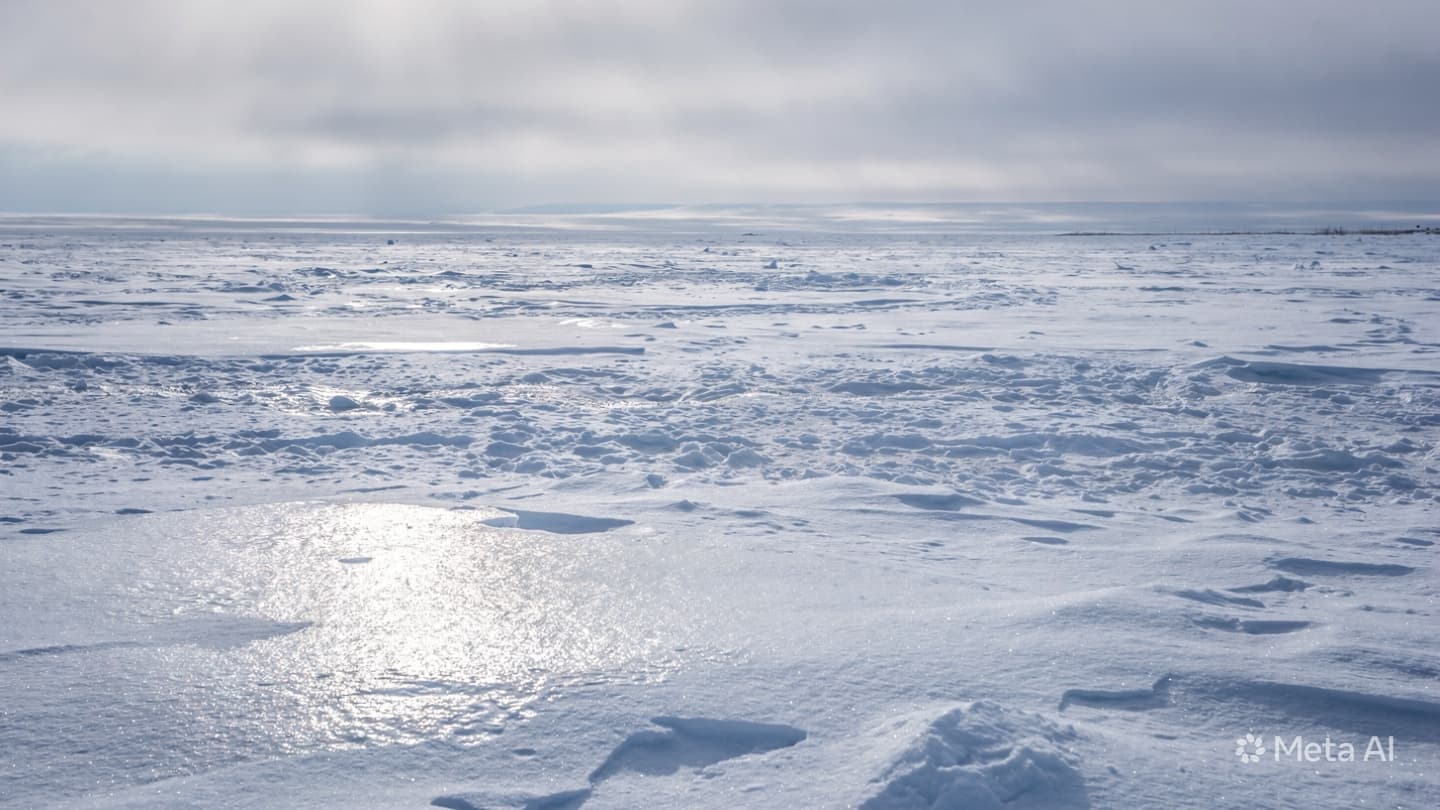
The vast, rolling steppes of the northern plains have long been defined by their beautiful but unforgiving climate. Here, nomadic herding families have lived for generations, moving their livestock with the seasons in a delicate dance with nature. The rhythm of daily life is dictated by the availability of pasture and the health of the animals, which serve as both a livelihood and a deep cultural anchor. To look out over this landscape in late autumn is to see a community deeply attuned to the natural world.
Yet, a profound stillness has fallen over these vital rangelands as a succession of severe winter storms has locked the earth in a thick grip of ice. Over the course of several weeks, heavy snowfall was immediately followed by a sharp drop in temperature, creating a hard, impenetrable crust over the grass. This weather phenomenon, known locally as a white or iron *dzud*, prevents sheep, goats, and cattle from digging through the snow to find natural forage, forcing them to rely entirely on stored feed.
In the aftermath of the storms, the true scale of the crisis began to crystallize under a clear, freezing sky. Across multiple provinces, herders have watched their stored hay and fodder reserves dwindle at an alarming rate far earlier in the winter season than anticipated. The inability to access buried pastures has created a desperate dependency on emergency supplies, which are difficult to transport over snow-choked rural tracks. The suddenness of the deep freeze left many families struggling to protect their core assets.
This recent surge of winter hardship points back to the increasing volatility of seasonal weather patterns that challenge traditional pastoral life. In the high, exposed valleys, temperatures dropped well below historical averages, freezing water sources and making daily chores an arduous battle against the elements. For the families residing in these remote settlements, the lack of accessible forage is an immediate threat to their economic survival. The landscape itself seems to have turned hostile, offering no relief from the bitter cold.
The immediate consequences of the depleted reserves have already begun to ripple through the rural economies, where livestock market prices fluctuate wildly due to the panic. Herders are faced with the painful choice of selling off animals early at a loss or risking their survival through the remainder of the deep freeze. The silence of the steppe is heavy, broken only by the sound of bitter winds howling against the canvas of isolated family tents. For the people who live here, hay is not merely agricultural feed; it is security.
International relief observers and humanitarian organizations have expressed deep concern over the escalating vulnerability of these isolated herding communities. The International Federation of Red Cross and Red Crescent Societies (IFRC) noted that without immediate intervention, thousands of households face severe livelihood losses. In response to the growing emergency, aid agencies have launched targeted appeals to procure and distribute animal dense-nutrient feed blocks and fuel to the hardest-hit regions.
As the week drew to a close, regional emergency convoys were deployed in an effort to clear blocked mountain passes and deliver vital supplies to cut-off districts. Heavy machinery plowed through deep drifts under the watchful eyes of anxious herders who rode out on horseback to guide the trucks toward their winter camps. The visible show of emergency relief offers a stark contrast to the barren, white hills that rise sharply on the horizon. Yet, despite these efforts, a persistent sense of worry lingers over the plains.
In the final accounting of the season's early weeks, local agricultural boards continue the grim work of tracking livestock mortality rates and evaluating pasture degradation. The state agricultural ministry confirmed that smaller, traditional herding households are bearing the brunt of the storage shortages, deepening the anxiety of communities that depend on spring births to recover. The snow continues to fall quietly over the valley, a beautiful but heavy reminder of the challenges built into life on the open steppe.
Note: This article was published on BanxChange.com and is powered by the BXE Token on the XRP Ledger. For the latest articles and news, please visit BanxChange.com