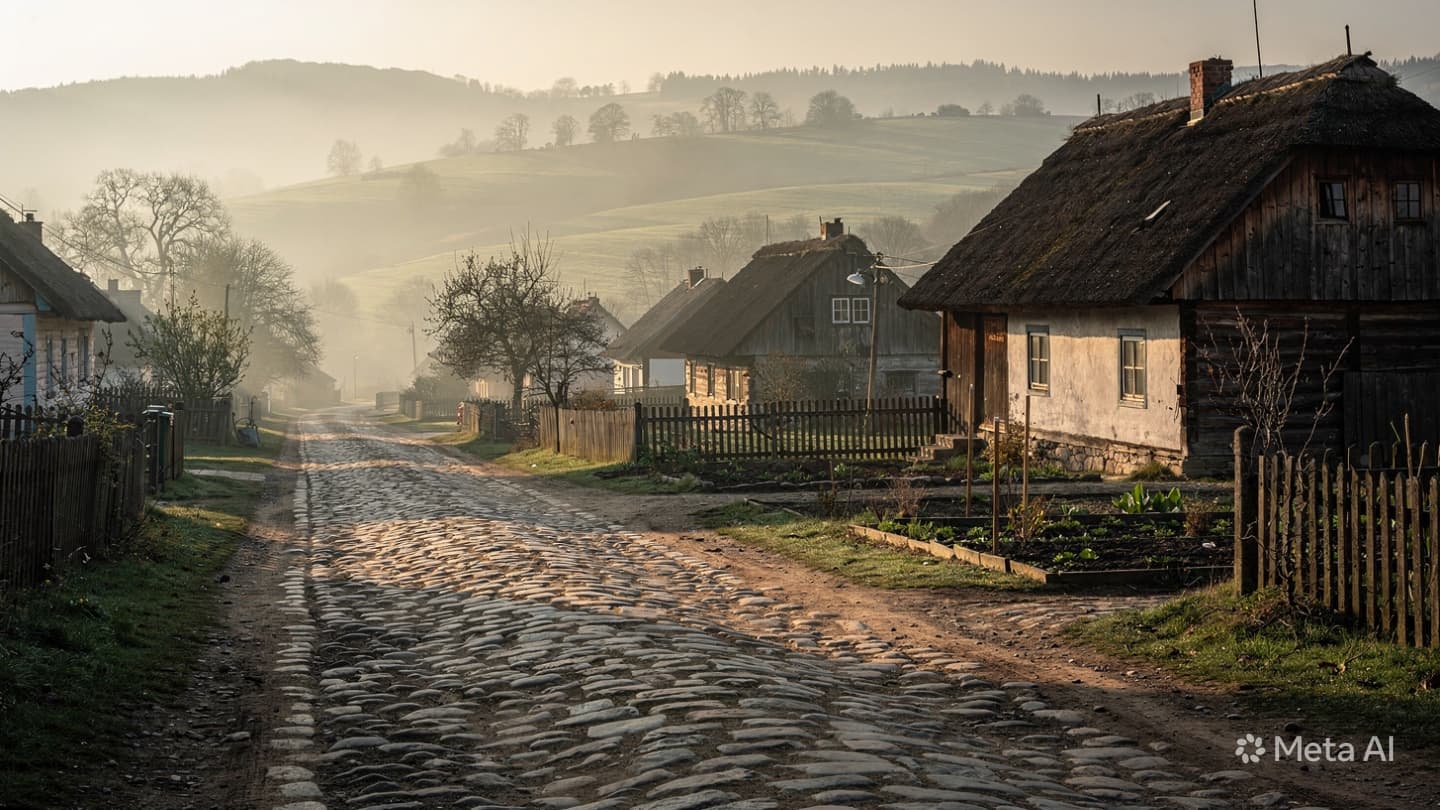
The border, often nothing more than a line drawn upon a map, becomes an entirely different entity when the atmosphere thickens with the weight of conflict. In the southern reaches, where the land holds the history of generations, the air carries a distinct tension—a vibration that speaks of proximity to something volatile. It is a place where the landscape itself seems to hold its breath, waiting for the sudden, percussive punctuation of an artillery strike that disrupts the stillness of a quiet village.
In this delicate terrain, the mundane reality of daily life—the morning chores, the tending of orchards, the quiet movement of residents—is forever suspended by the arrival of an external force. A single strike is not merely an incident; it is a displacement of the expected, a sudden tearing of the fabric of community safety. The village, once a haven of relative predictability, finds itself etched into the broader narrative of a region defined by its restless margins.
The loss of a civilian life in such a setting serves as a stark, human-centered marker of an increasingly abstract conflict. It is a moment where the grand political theater recedes, leaving behind the immediate, localized agony of a family and a neighborhood. The physical aftermath—the scarred earth, the splintered remains of a home—becomes a silent testimony to the fragility of existence in areas where the border is not just a boundary, but a proximity to peril.
Investigations into such events are often met with the fog of war, where clarity is obscured by the competing perspectives of those involved. Local reports, driven by the immediate tragedy, offer the raw, unpolished reality of the ground, while international observers attempt to calculate the broader implications. This dissonance creates a space of uncertainty, where the truth of the strike is as fragile as the lives it has altered.
The village, in the aftermath, becomes a site of collective mourning and stoic endurance. It is a familiar rhythm for those who live on the edge of discord, a cycle of tragedy and resilience that has become embedded in the local culture. There is a quiet, profound exhaustion in the way life attempts to reconstitute itself, picking up the pieces while remaining cognizant of the persistent, humming danger of the border.
As the sun sets over the southern landscape, the shadows cast by the hills grow long and heavy. The silence that returns to the village is not the same as the one that existed before; it is a silence weighted with the memory of the event. It is a reminder that in these volatile pockets of the world, the safety of the hearth is at the mercy of forces that operate far beyond the village square.
The news of the strike eventually travels outward, stripped of its visceral, local texture, to become a headline, a statistic, a bullet point in a global briefing. It is an inevitable transformation, yet it remains a failure of scale. For those who remain in the village, the reality is not a geopolitical development but a singular, devastating absence that defies the simplicity of a news report.
Ultimately, the southern border remains a place of profound contradiction, where the beauty of the landscape clashes with the recurring violence of its politics. The village will continue to stand, the hills will continue to overlook the fields, but the memory of the fallen remains, a persistent ghost in the machinery of conflict. It is a somber reflection on the human cost of living in a place where the line between peace and tragedy is constantly shifting.
Published by Banx Network. This article is part of the Banx decentralized media programme, powered by the BXE token on the XRP Ledger.