
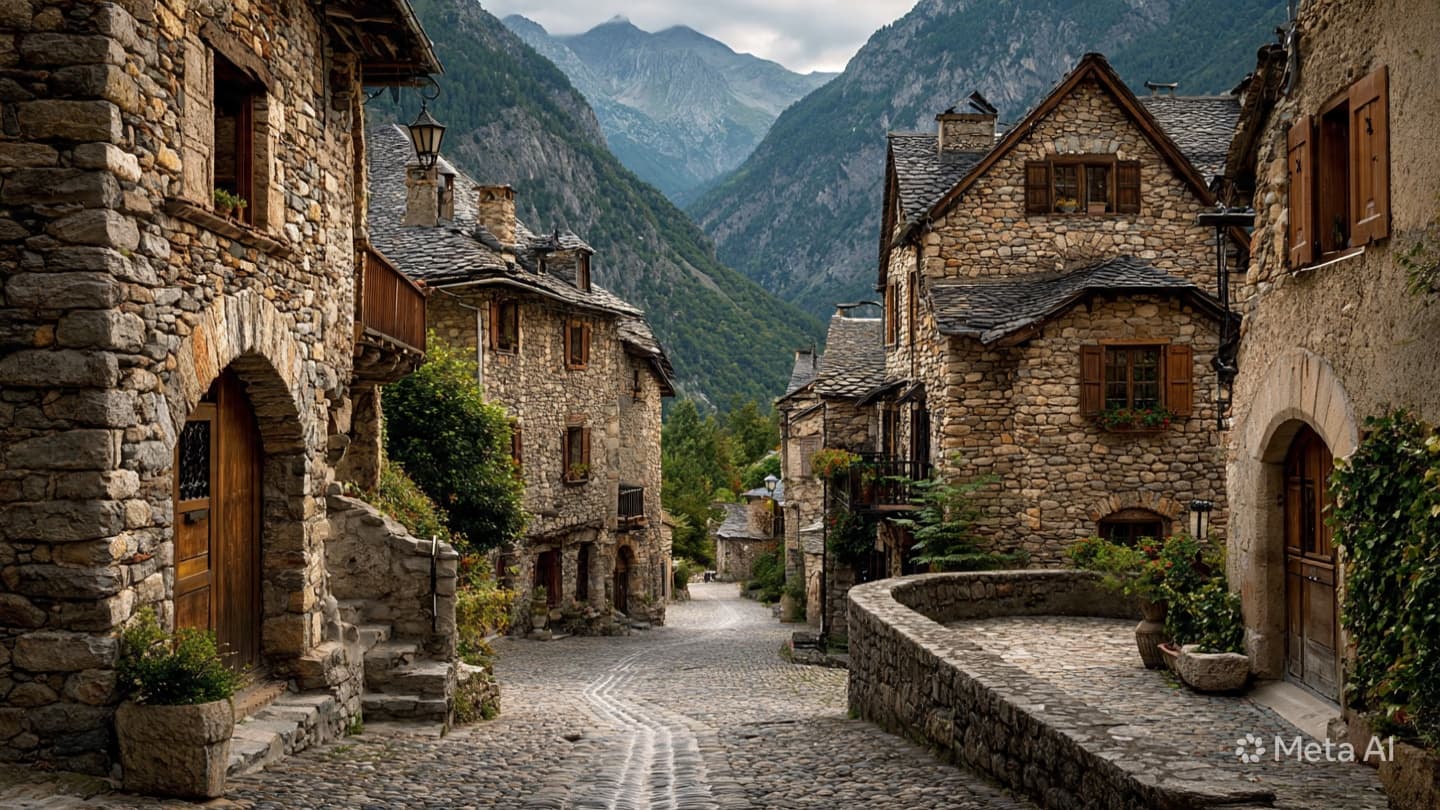
The quiet streets of Escaldes-Engordany, cradled within the high, rugged peaks of the Pyrenees, are usually defined by their serenity and the measured pace of life that persists in such an elevated sanctuary. Here, where the air is crisp and the presence of history is felt in every stone and shopfront, the intrusion of a high-value theft is a sharp departure from the expected rhythm. It is a moment that exposes the tension between the sanctuary of a mountain village and the cold, calculated reach of modern crime.
The theft of precious jewels is more than a mere loss of material wealth; it is a violation of the environment in which we place our trust. When such an act is compounded by assault, the narrative shifts from the impersonal nature of a crime to the visceral reality of human conflict. The sudden movement—the speed of the suspect, the violence of the encounter, the aftermath of sirens echoing against the mountain walls—leaves a residue of unease that lingers long after the scene is cleared.
Authorities in Andorra move through the landscape of the incident with a clinical precision, working to reconstruct the sequence of events that led to the capture of the suspect. It is a process of untangling the threads of a crime that began in the dark corners of intent and ended in the light of intervention. This apprehension, while a relief to the local populace, serves as a prompt for reflection on the vulnerability of even the most secure and well-tended spaces.
For the observer, the event highlights the anonymity that can cloak even the most brazen actions. The suspect, moving through the winding paths of the principality, was operating against the backdrop of a society that prides itself on stability and a certain, elevated isolation. The capture is a testament to the effectiveness of local surveillance and the rapid mobilization of law enforcement, turning the mountain's natural barriers into a trap for those who seek to disrupt its peace.
As the investigation moves forward, the focus turns to the broader implications of such a heist. What are the motivations that drive an individual to pursue such a path, and how does a community protect itself from the unpredictable nature of external threats? These questions are woven into the reports, which remain focused on the facts of the assault and the recovery of the stolen items, yet they point toward a more complex reality about the nature of our interconnected world.
The return to normalcy in Escaldes-Engordany will be a gradual process, marked by the restoration of order and the quiet confidence that accompanies the resolution of a threat. The jewels will likely be returned to their owners, but the memory of the event will persist as a reminder of the fragility of our daily peace. It is a story of conflict and resolution, set against a stage that was not designed for such volatility, emphasizing the constant effort required to maintain the sanctity of a place.
The incident remains a significant topic of discussion within the local area, representing an unusual divergence from the typical, quiet progression of life in the valley. As the legal proceedings unfold, the community remains vigilant, reflecting on the importance of security and the quiet strength of the law in the face of sudden, unprovoked disruption. It is a study in the resilience of a society that, despite the intrusion of violence, remains committed to its enduring character.
The suspect has been apprehended and is currently in police custody following a high-value jewelry heist. Authorities confirmed that the stolen goods have been recovered, and the investigation into the assault continues.
Note: This article was published on BanxChange.com and is powered by the BXE Token on the XRP Ledger. For the latest articles and news, please visit BanxChange.com