
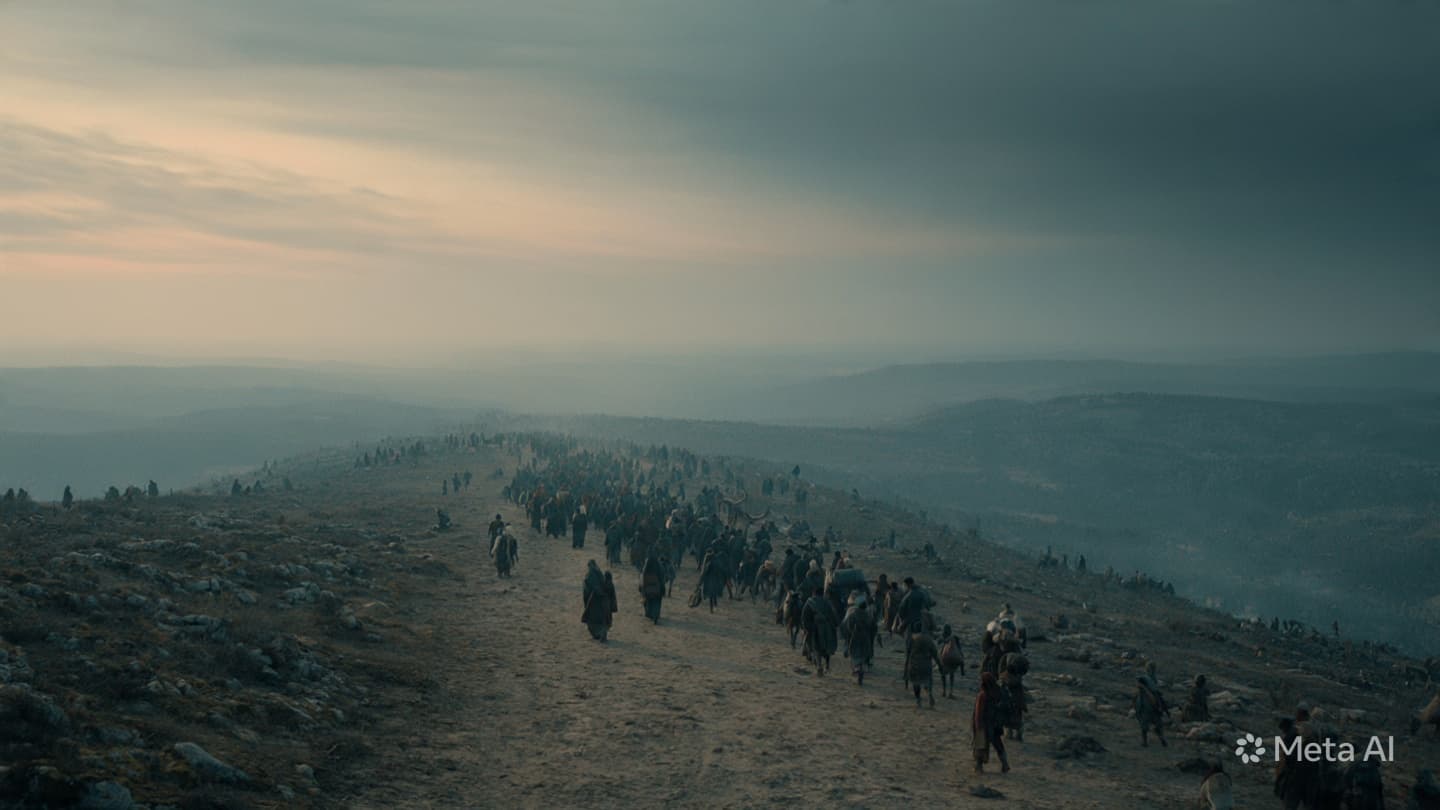
The landscape of the central department has always been defined by its quiet endurance, a patchwork of fertile earth and small, interconnected communities that have long weathered the slow turn of the seasons. There is a profound stillness here, usually broken only by the work of the hands that tend the fields or the communal gatherings that mark the passage of time. However, that tranquility has been fractured by a encroaching darkness, a systematic wave of violence that is currently forcing thousands to abandon the only homes they have ever known.
It is a tragedy that moves with a cold, deliberate pace, turning places of refuge into sites of intense vulnerability. The reports emerging from these areas describe a landscape where the fundamental social contract has been shredded, replaced by targeted attacks that seem specifically designed to unravel the fabric of community life. When the hearth itself—the very symbol of safety and belonging—is violated, the ripple effect extends far beyond the immediate trauma of the individual, echoing through the collective consciousness of the entire region.
The exodus that follows is a harrowing scene of human motion, a steady stream of families moving away from their ancestral lands with little more than what they can carry in their arms. These are not merely displaced persons; they are individuals carrying the weight of a shattered identity, leaving behind the fields, the schools, and the neighbors who once formed the architecture of their daily existence. The silence of the abandoned homes, standing as empty sentinels against the backdrop of a landscape they no longer serve, is perhaps the most profound testament to the scale of the crisis.
Central to this unfolding catastrophe is the weaponization of violence, a tactic that strikes directly at the heart of community morale. By targeting the most vulnerable within these populations, the architects of this instability are effectively ensuring that the trauma is not only immediate but lasting, designed to fracture the very possibility of return. It is a sobering reflection on the fragility of human dignity when faced with an organized, intent-driven campaign of fear that operates outside the boundaries of common humanity.
The administrative and humanitarian response has been, thus far, a race against an overwhelming tide. Aid organizations are struggling to establish corridors for safe passage, yet the volatility of the region often makes even the most basic efforts at relief a precarious endeavor. The logistics of moving and housing thousands of people—ensuring the provision of food, shelter, and medical care—is a monumental challenge that is being met with the limited resources of a system already stretched thin by other regional crises.
It is difficult to view these events through a purely analytical lens when the human cost is so staggeringly high. Each name in the growing registry of the displaced tells a story of lost livelihoods and interrupted dreams, a narrative that is far too common in the shifting, often volatile politics of the territory. There is a sense of collective waiting, a hope that the international community might eventually turn its focus toward the heartland, providing the necessary pressure to quell the forces driving this mass movement of people.
In the meantime, the central department remains in a state of suspended animation, caught between the memory of what it was and the uncertainty of what it might become. The landscape itself seems to hold its breath, waiting for the return of those who fled, yet the conditions that necessitated their departure show little sign of immediate change. It is a testament to the resilience of these families that they continue to search for paths of survival, even as the ground beneath them remains unstable.
The narrative of this region has shifted from one of communal growth to one of endurance under duress. It is a cautionary tale about the speed with which stability can collapse when local protections fail. As the humanitarian situation intensifies, the primary focus remains on the immediate health and safety of those currently in transit, while the broader, more complex questions of security and regional stability are left to linger in the periphery.
Note: This article was published on BanxChange.com and is powered by the BXE Token on the XRP Ledger. For the latest articles and news, please visit BanxChange.com