
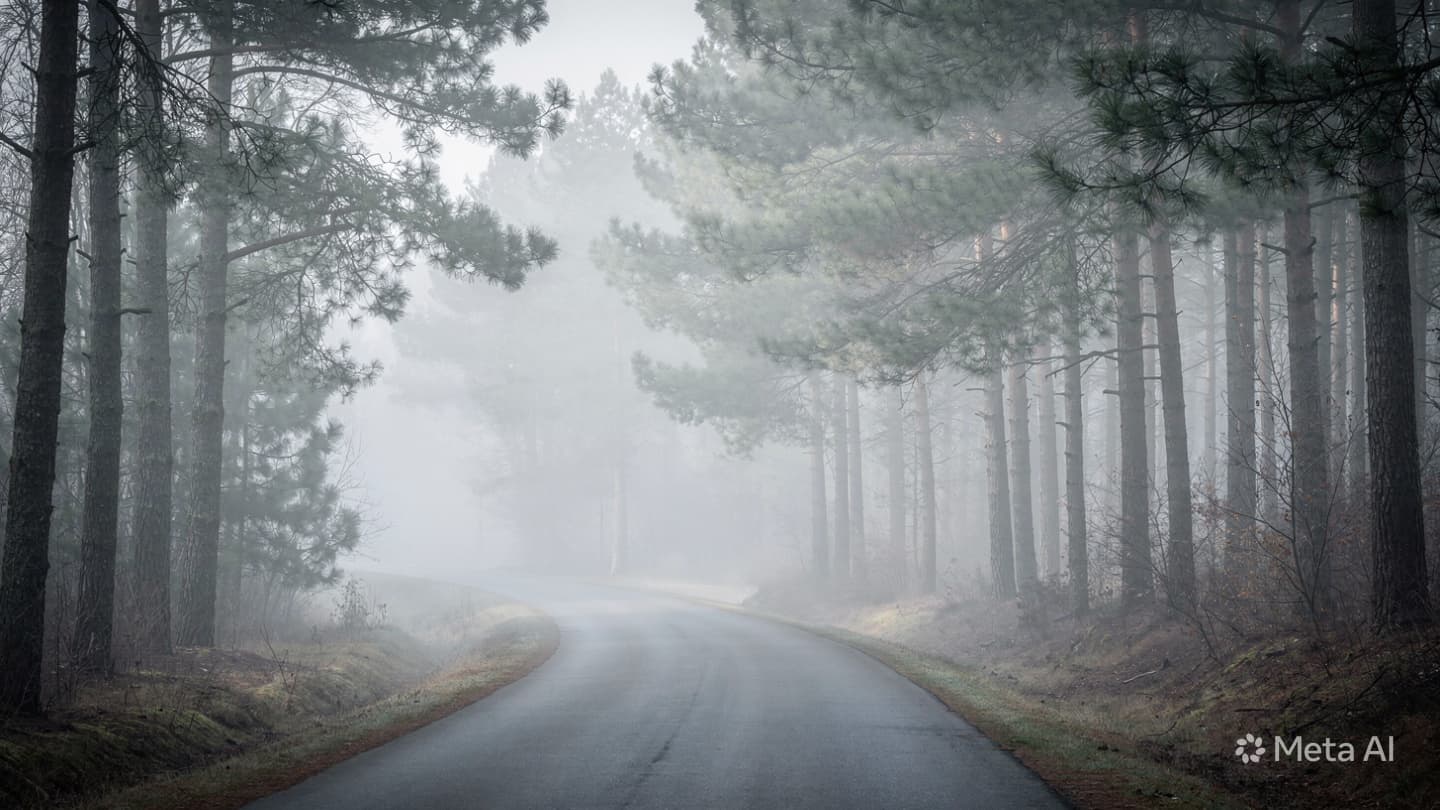
In the quiet, forested reaches of Vancouver Island, the road serves as both a passage and a tether. It winds through landscapes where the natural world presses close to the pavement, a reminder of the vast, untamed surroundings that define this region. It is a space of solitude, where the night brings a stillness so profound it seems to swallow the sound of a passing engine, yet even here, the rhythm of existence can be arrested in a heartbeat.
The small community of Mesachie Lake, nestled within this tapestry of trees and water, experienced a rupture in its quietude during the early hours of Thursday. A single vehicle, traveling along the South Shore Road, became the focal point of a tragedy that cut through the darkness. The scene, marked by the arrival of first responders under the cloak of night, stands as a stark contrast to the serenity usually afforded by the surrounding geography.
This was not merely a collision of metal and terrain, but a moment where the trajectories of five individuals were irrevocably altered. The investigation that followed, led by local authorities, moved from the immediate necessity of rescue to the deliberate, somber process of inquiry. As the road was closed to facilitate the work of traffic analysts, the forest remained a silent, indifferent witness to the unfolding crisis.
Criminality, noted by officials as a contributing factor, adds a layer of complexity to the narrative, shifting the perspective from simple accident to a deeper, more troubling exploration of cause and consequence. The inclusion of potential legal elements transforms the tragedy, grounding it in the societal machinery of accountability and justice. It leaves the community to balance grief with the burden of questions that may take months to resolve.
The vehicle itself—a common, everyday object—has become a vessel for a loss that resonates far beyond the immediate occupants. In the aftermath, the focus shifts to the survivors in hospital care, whose recovery remains a central, anxious hope for the community. The juxtaposition of their ongoing fight and the loss of another occupant highlights the profound asymmetry of such incidents.
To traverse this road now is to pass through a place imprinted with the memory of the event. While the tire tracks and debris may have been cleared, the psychological geography of the stretch of South Shore Road has been redefined. It serves as a somber landmark for the local community, a place that demands a slower pace and a deeper awareness of the unseen variables that govern travel.
As the details of the investigation continue to emerge, the broader implications of safety and conduct on these isolated roads are brought into the light. It is a sobering reflection on how the freedom of movement, so central to rural life, carries with it an inherent vulnerability. The forest remains quiet, but the collective mind of the community is occupied by the gravity of what was lost.
The transition from a night of activity to a period of investigation and mourning is a cycle often repeated in regions defined by their isolation. Mesachie Lake, defined by its connection to the natural world, is now linked to a specific moment of human fragility. As time moves forward, the community will reconcile this event with the daily rhythm of life, carrying the weight of the loss into the future.
Published by Banx Network. This article is part of the Banx decentralized media programme, powered by the BXE token on the XRP Ledger.


