
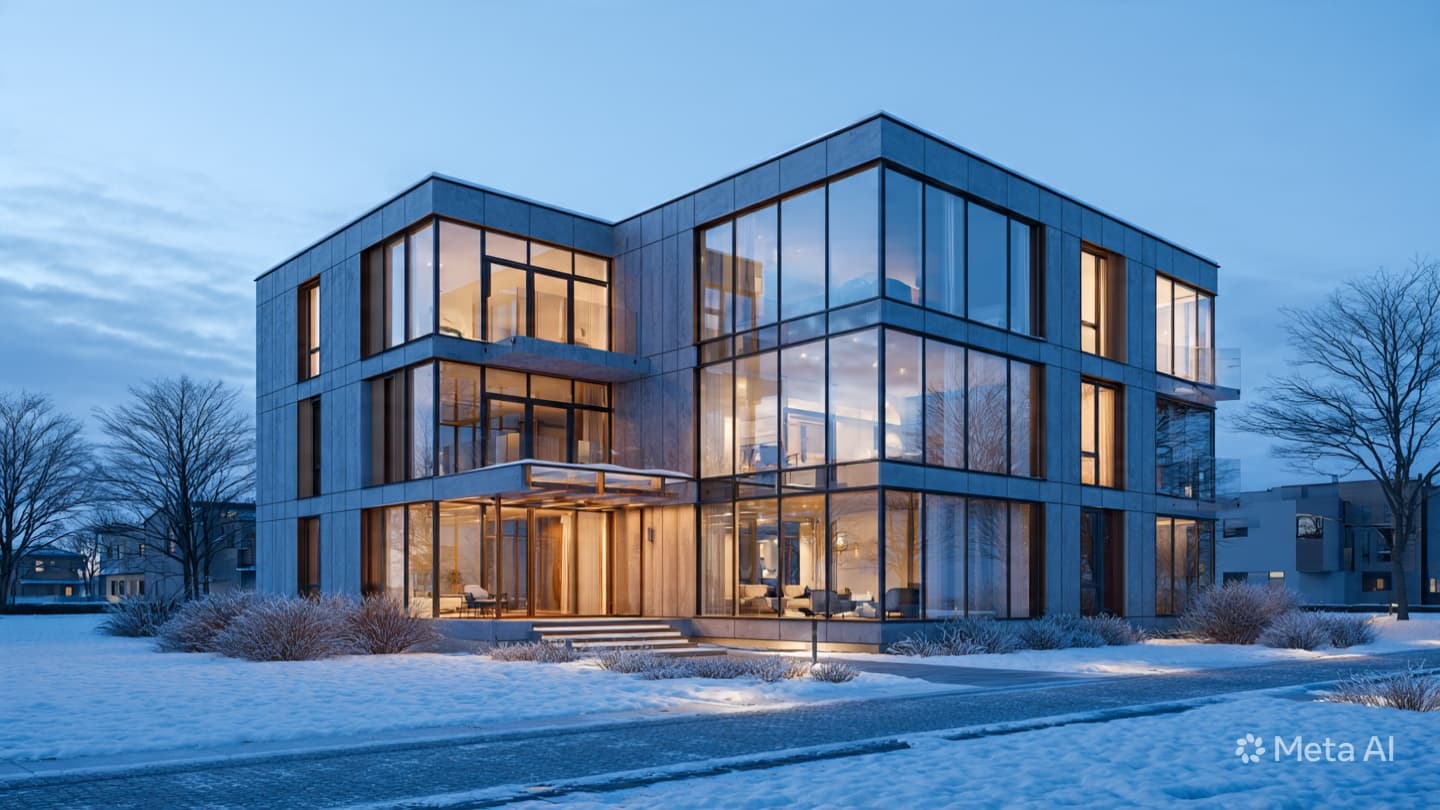
The residential apartment complexes that dot the suburban landscape are built to be sanctuaries of predictability, places where families seek refuge from the bustling demands of the modern world. Surrounded by manicured lawns and quiet playgrounds, these uniform structures project an image of collective harmony and modest comfort. The daily routine moves with a reassuring rhythm, marked by the soft hum of domestic appliances, the chatter of children returning from school, and the steady turning of keys in front doors. Yet, this shared tranquility remains fundamentally vulnerable to the sudden, tragic fractures that can occur within individual walls, far from public view.
Late on Thursday evening, the familiar stillness of a residential block was irrevocably broken by a sudden act of lethal violence that echoed through the concrete stairwells. The discharge of a firearm within a private dwelling is a catastrophic disruption of the suburban contract, turning a place of safety into a site of profound trauma. For the neighbors who listened from behind their own closed doors, the sound was an unnatural intrusion, a sudden tear in the unspoken agreement of mutual security that binds a community together. The immediate aftermath left the neighborhood suspended in a state of quiet shock, struggling to reconcile the violence with their peaceful surroundings.
The arrival of emergency vehicles, their blue lights reflecting silently against the dark windows of neighboring apartments, marked the transition from a private tragedy to a matter of state intervention. Police officers and medical personnel moved with practiced restraint through the courtyard, securing the perimeter and entering the structure to manage the crisis. In these moments, the collective focus of the community turns inward, as individuals seek comfort in the presence of their loved ones while processing the fragile nature of their environment. The familiar corridors of the building suddenly took on a somber, restricted quality, cordoned off by ribbons of plastic tape.
In the hours following the event, the focus of the investigation turned toward the methodical gathering of physical evidence and the preservation of the scene for future judicial scrutiny. Forensic technicians clad in white suits worked through the night, mapping the trajectory of the conflict and cataloging the physical remnants of the incident. This clinical process, while necessary for the administration of justice, stands in stark contrast to the emotional weight of the loss that occurred within the space. The transformation of a home into a forensic grid is a silent testament to the gravity of the harm inflicted.
The arrest of a suspect near the location brought a definitive end to the immediate tactical response, shifting the collective narrative toward the slow, complex process of communal healing. The individual was led away into the cold night air without further incident, leaving the apartment complex to face the morning light under a blanket of heavy silence. For the residents, the return to normal routines is rarely immediate, as the memory of the night’s events lingers in the shared spaces of elevators, mailrooms, and parking lots. The physical structures remain unchanged, yet the perception of the space has been permanently altered.
The tragedy prompts a quiet reflection on the hidden tensions that can exist behind the most ordinary facades, pressures that remain invisible until they reach a breaking point. The modern apartment complex, while dense with human life, can sometimes foster an unintentional isolation, where individuals live in close proximity yet remain strangers to each other's internal struggles. The event serves as a somber reminder of the need for community vigilance and systemic support systems capable of intervening before a crisis turns lethal. The healing process requires both time and a conscious effort to rebuild the shattered sense of safety.
The Länsi-Uusimaa Police Department confirmed that a forty-two-year-old male suspect was apprehended inside a residential unit in Espoo following a fatal shooting incident. First responders discovered a thirty-six-year-old male victim suffering from critical gunshot wounds, who succumbed to his injuries at the scene despite immediate medical intervention. The suspect was taken into custody without resistance and is currently held on suspicion of murder, with a formal detention hearing scheduled at the Espoo District Court.
Ballistic specialists recovered a registered handgun from the premises, which has been forwarded to the national forensic laboratory for comprehensive comparative testing. Detectives spent Friday interviewing residents of the apartment complex to establish a timeline of the events leading up to the confrontation. The victim’s family has been assigned dedicated trauma counselors through municipal social services, while the criminal dossier is prepared for submission to the regional prosecution unit.
Note: This article was published on BanxChange.com and is powered by the BXE Token on the XRP Ledger. For the latest articles and news, please visit BanxChange.com