
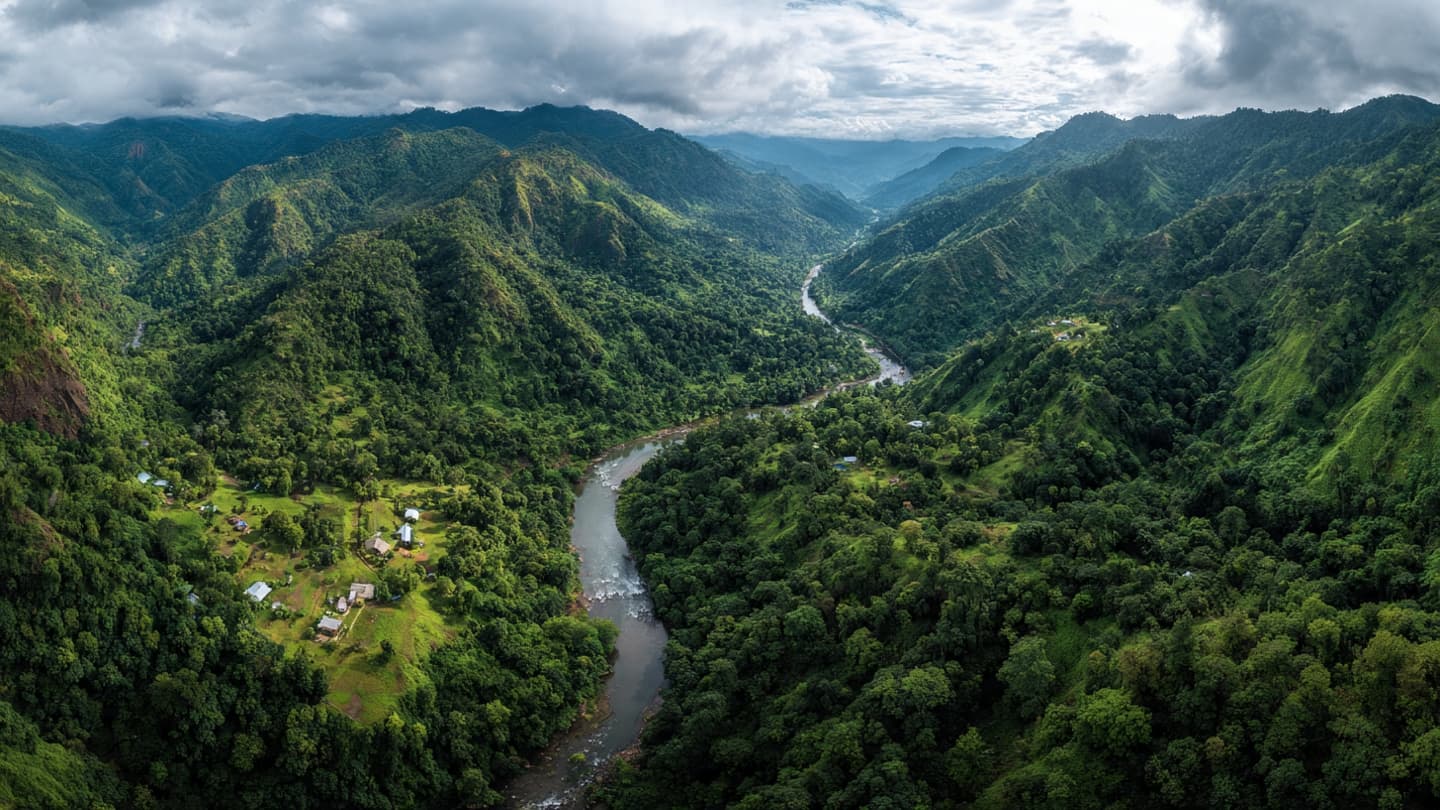
Across mountains, wetlands, forests, and coastlines, nature preserves stories written long before modern borders existed. Each protected landscape carries not only ecological value, but also memories, traditions, and livelihoods intertwined with the communities that surround it.
UNESCO has officially designated 14 new biosphere reserves, expanding its global network dedicated to conserving biodiversity while promoting sustainable development. The announcement coincided with broader international efforts to strengthen environmental protection.
Biosphere reserves are designed to balance conservation with human activity. Unlike strictly protected parks, these areas encourage sustainable economic practices alongside ecosystem preservation and scientific research.
The newly designated sites span multiple regions and ecosystems, reflecting the diversity of landscapes found across the planet. Forests, wetlands, coastal zones, and mountainous regions are among the environments included.
UNESCO officials emphasized that biosphere reserves play an increasingly important role in addressing climate change, biodiversity loss, and environmental degradation. These areas often serve as living laboratories for sustainable solutions.
Local communities remain central to the biosphere reserve concept. Residents, Indigenous peoples, scientists, and policymakers frequently collaborate to develop practices that support both ecological health and economic resilience.
Conservation experts have welcomed the new designations, noting that international recognition can attract research opportunities, environmental funding, and ecotourism initiatives.
At the same time, specialists caution that official designation alone does not guarantee protection. Effective management, long-term investment, and community engagement remain essential for achieving conservation goals.
As global environmental pressures intensify, the expansion of UNESCO's biosphere network reflects continuing efforts to preserve ecosystems while fostering a more sustainable relationship between people and nature.
AI Image Disclaimer: Several images used for illustration purposes in this article were generated through artificial intelligence technology.
Sources Verification Check: UNESCO, Reuters, United Nations Environment Programme, Associated Press
Note: This article was published on BanxChange.com and is powered by the BXE Token on the XRP Ledger. For the latest articles and news, please visit BanxChange.com