
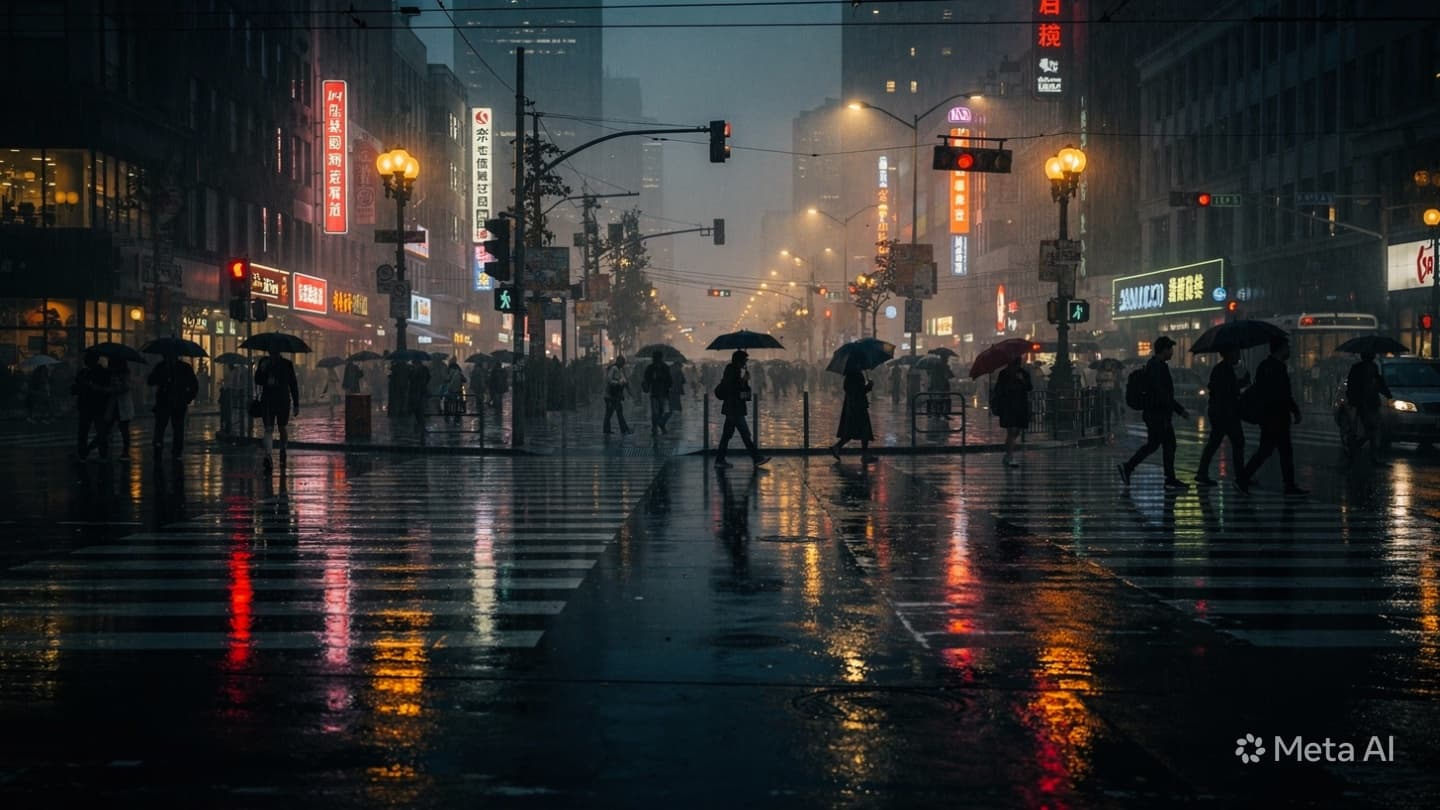
The experience of walking in New York City is a singular, kinetic event. It is a dance of thousands, a movement through a dense, vertical environment where the speed of the street is matched only by the intensity of the ambition that fuels it. We navigate these crossings with a practiced, habitual ease, trusting in the signals, the rhythm of the traffic, and the shared, tacit understanding that allows such a massive population to function in such close proximity. It is a system of movement that we take for granted until the moment it fails.
When a pedestrian is struck by a commercial vehicle, the entire logic of the intersection is overturned. The contrast between the sheer scale and momentum of the vehicle and the individual, vulnerable presence of the walker is stark, a physical reality that feels all the more jarring because it occurs within the familiar, structured order of the city street. The street, which is meant to be a space of transit, becomes, for a brief, haunting moment, a site of absolute stillness, a point where the pulse of the city is interrupted by an event of irreversible consequence.
In the aftermath, the intersection is transformed. The crowd, typically defined by its purposeful, forward-facing motion, slows, pauses, and reshapes itself around the perimeter of the police tape. There is a palpable shift in the air—a transition from the casual, individualistic pace of the city to a collective awareness of the fragile, common humanity that defines us all. For the bystanders who witness the scene, it is a moment that pulls them out of their own private intentions and forces a reflection on the sheer density and volatility of their environment.
The responders, operating in the heart of the borough, move with a focus that creates a protective boundary around the incident. Their work is a blend of duty and professional restraint, a clinical effort to document and to clear, performed amidst the continuing, relentless pressure of the city’s traffic. It is a task that acknowledges the gravity of the loss while simultaneously addressing the practical necessity of restoring the flow of the street, a tension that is inherent to the function of a metropolitan center.
The investigation that follows will examine the "how" and the "why"—the visibility of the crossing, the timing of the signal, the speed and movement of the commercial vehicle—a technical breakdown that aims to render the event understandable. Yet, we know that these facts, as important as they are for the pursuit of safety and accountability, cannot fully capture the reality of the life that was lost. The tragedy is more than a sequence of mechanical events; it is a profound, individual interruption of a life that had its own rhythm, its own history, and its own place in the city’s vast, unfolding story.
New York City’s infrastructure is a constant work in progress, a system that is always being refined and adjusted to better accommodate the massive demands placed upon it. The safety of pedestrians is a priority that is reflected in the city’s urban design, its signals, and its policies, yet we are reminded, with a sobering regularity, that there is a baseline level of danger that persists. It is a reality that we live with, a quiet, underlying awareness that shapes the way we move through the canyons of the city.
As the street returns to its standard pulse, the memory of the event persists as an invisible mark upon the crossing. Those who pass by it regularly may experience a momentary, unspoken pause, a recognition of the fragility of the space. It is a part of the city’s history, a subtle, layered memory that exists within the fabric of the street, a testament to the lives that have been caught in the crosscurrents of our collective motion.
In the end, we are left to carry the weight of the loss, a shared awareness that reminds us of the precarious beauty of our own journeys through the city. We honor the life that was taken, and we continue our own paths, a little more aware of the weight of the world around us, and the importance of the grace we extend to one another as we cross the street, move through the crowd, and carry on with the business of being alive.
A pedestrian was struck and killed by a commercial vehicle while attempting to cross a street in New York City on Tuesday. Emergency medical services arrived promptly at the intersection, but the individual was pronounced dead shortly after arrival. The driver of the vehicle remained at the scene and is cooperating with the authorities as the New York Police Department’s Collision Investigation Squad continues to examine the circumstances surrounding the incident.
Note: This article was published on BanxChange.com and is powered by the BXE Token on the XRP Ledger. For the latest articles and news, please visit BanxChange.com