
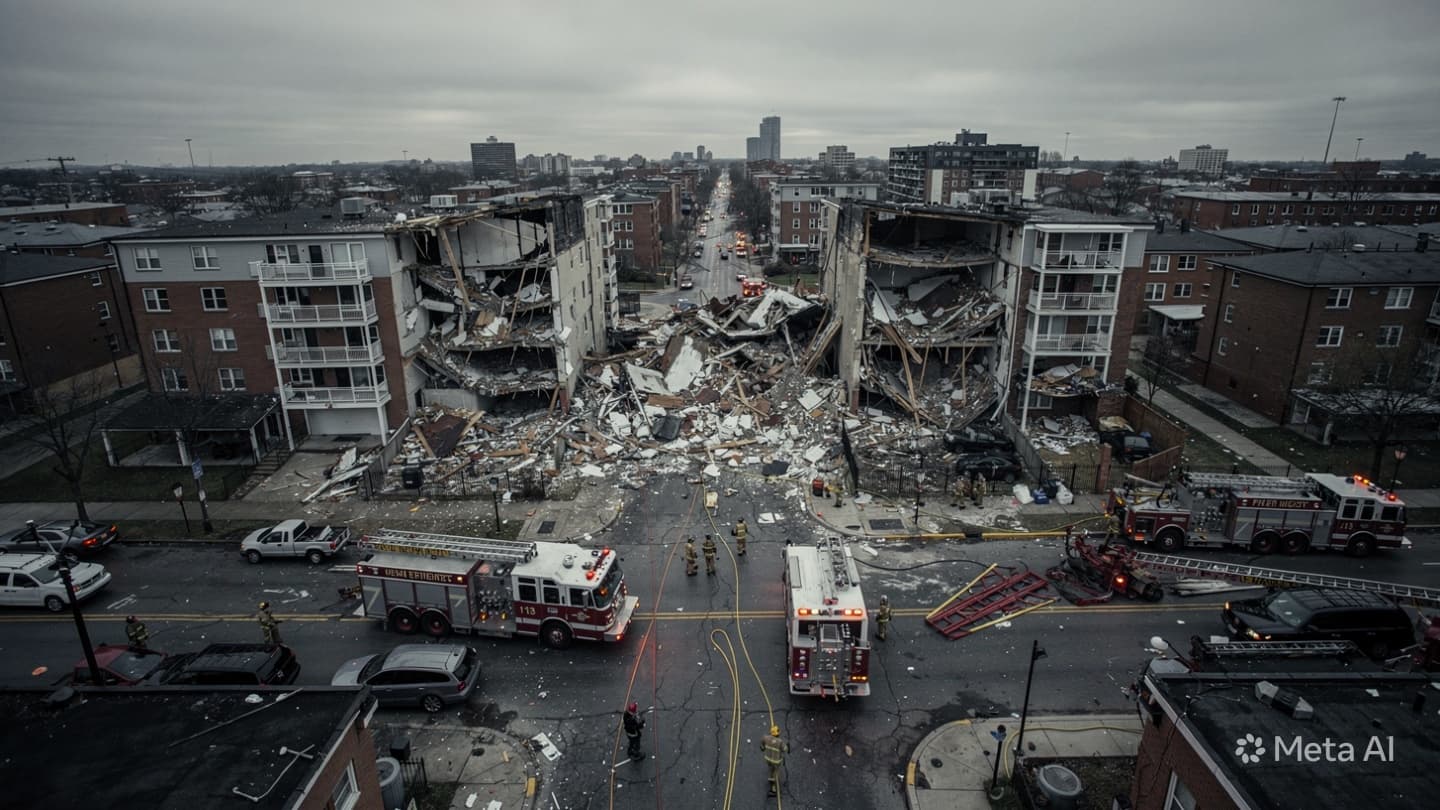
There is a terrifying randomness to disaster—a sudden, violent disruption of the ordinary that defies our best efforts to categorize or understand it. In the Oak Cliff neighborhood of Dallas, a community was forced to grapple with this reality when an apartment building was leveled by an explosion in the middle of a Thursday afternoon. It was an event that transformed the familiar architecture of home into a landscape of wreckage, leaving behind a silence that is as haunting as the blast itself.
The immediate aftermath was defined by the chaos of a multi-agency response, with first responders racing against the ticking clock of potential survival. Yet, beneath the urgency of the rescue operation, there was a profound and deepening sorrow as the death toll was confirmed. To lose a home is a trauma; to lose a neighbor, a child, or a family member within that home is a burden of grief that will define the community for years to come. The identification of victims like Sylvia Collins provides a name and a face to the tragedy, grounding the statistics in the raw, personal reality of loss.
For those who lived in the Clyde apartment building, the world changed in a matter of seconds. The photographs that emerged—images of twisted metal and charred debris—serve as a stark testament to the force of the blast. But it is the human stories that linger: the witness who heard a boom and rushed toward the danger, the families gathered in fear at a nearby high school, and the tireless search crews working through the ruins. These threads of resilience are what prevent the tragedy from being merely a record of destruction.
The investigation into the cause, centered on a reported gas leak, is a necessary pursuit of clarity. It is the logical step for authorities tasked with preventing such a catastrophe from recurring. However, while the technical experts weigh the integrity of pipes and the sufficiency of safety protocols, the community is left to process the existential weight of the event. How can a place that provided shelter and warmth one day become the source of such devastation the next? It is a question that challenges our fundamental trust in the infrastructure of our daily lives.
As the recovery efforts continue and the site is carefully excavated, there is a collective effort to support those who have lost everything. The City of Dallas, the first responders, and the neighbors have all stepped into the void left by the explosion, offering what they can in the face of an impossible situation. It is a quiet, steady demonstration of solidarity that serves as a small light in the darkness, a reminder that while structures may collapse, the bonds of a community are more resilient.
Looking toward the future, the neighborhood will undoubtedly bear the scars of this week for a long time. The space where the apartment building once stood will be a constant, visible reminder of the event, and the lives lost will be honored in the quiet, private rituals of remembrance. For the rest of the city, the Oak Cliff explosion serves as a sobering reminder of the unseen risks that exist within the walls of our homes and the importance of remaining vigilant in the maintenance of the systems that sustain us.
Ultimately, the tragedy is a call to reflection. It asks us to consider the value of the lives we share and the suddenness with which they can be altered. As the news coverage cycles through its final updates and the legal processes begin, the emphasis should remain on the humanity of those who were affected. We are left to hold space for their grief, acknowledging that while the debris may be cleared, the impact of such a day stays with a community forever.
Authorities confirmed that at least three people, including a child, died following a massive apartment building explosion in the Oak Cliff neighborhood of Dallas, Texas, on Thursday, May 28, 2026. The blast, which occurred after a reported gas leak, leveled the building at 409 E. 9th St. Recovery operations are ongoing, as first responders continue to sift through the rubble to locate missing individuals. Five people were hospitalized, with some in critical condition. The National Transportation Safety Board and local officials are currently investigating the cause of the leak.
Note: This article was published on BanxChange.com and is powered by the BXE Token on the XRP Ledger. For the latest articles and news, please visit BanxChange.com