
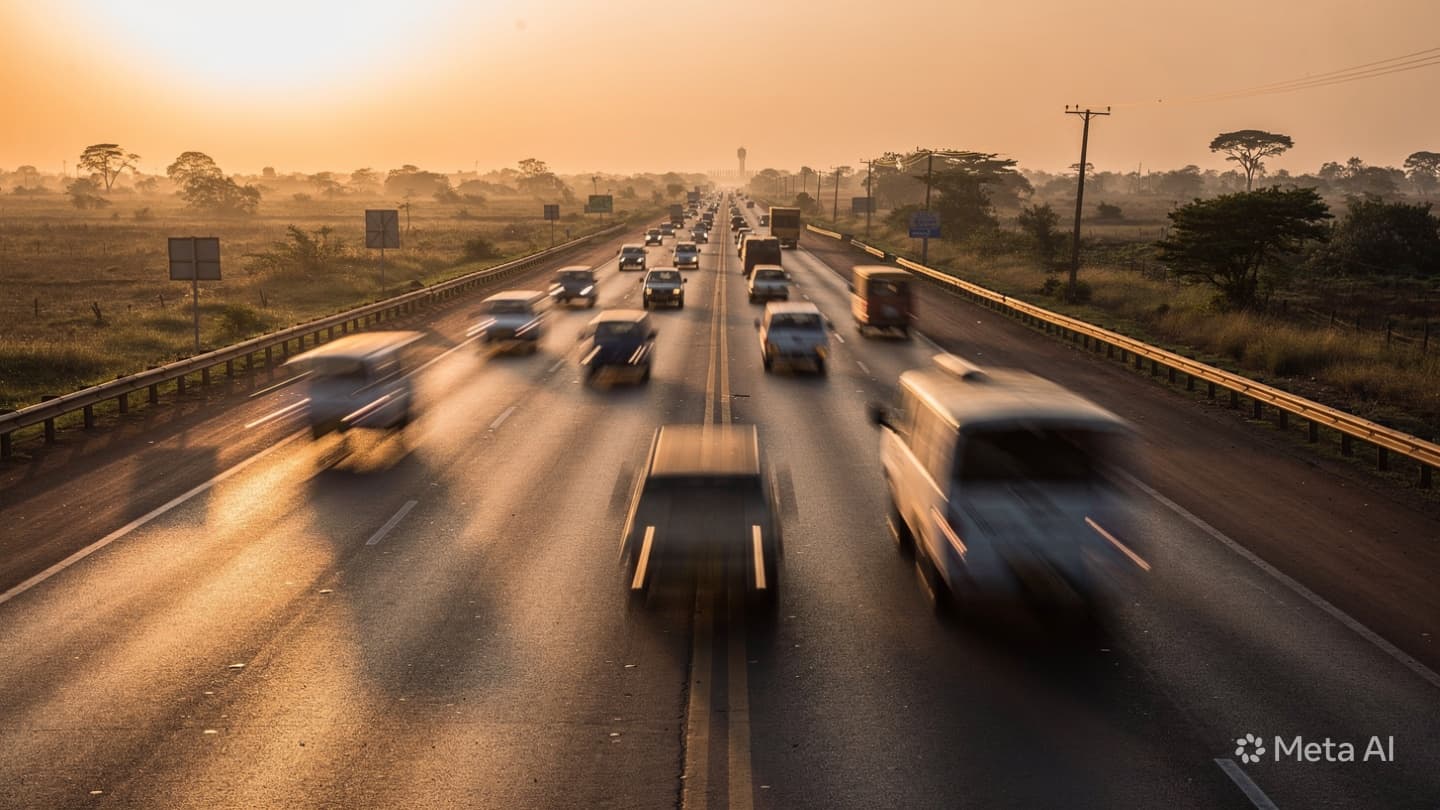
The highway that slices through Masaka is a corridor of relentless transit, a ribbon of asphalt that feeds the flow of commerce between the capital and the great southwestern reaches of Uganda. It is a road defined by the speed of its travelers, the roar of heavy haulage, and the constant, surging momentum of a nation on the move. Yet, at the margins of this velocity, the pedestrian walks a much slower, more vulnerable path, crossing the threshold of the highway with little more than the hope that the traffic will pause.
When a speeding truck strikes a pedestrian, the event is a violent, jarring contradiction to the expected flow of the road. In an instant, the momentum of the transit is arrested, and the space of the highway becomes a site of shock and stillness. To stand by the side of that road afterward is to feel the overwhelming indifference of the passing trucks, each one continuing its journey as if the world has not just been fundamentally altered for someone nearby.
The investigation that follows is a standard, necessary sequence of events—the marking of the scene, the taking of statements, the analysis of speed and impact—but it rarely addresses the profound, lingering sense of loss. It is a tragedy that is, in a sense, a failure of our collective design: the lack of safe crossing points, the prevalence of excessive speeds, and the tension between the necessity of fast transit and the presence of human life on the roadside. It is a collision of two worlds that are not meant to occupy the same space at the same time.
In the days after the accident, the conversation among the local community turns, as it always does, to the need for safer infrastructure—footbridges, clear signage, and stricter enforcement of speed limits. These are the practical, essential steps forward, yet they feel almost secondary to the quiet, personal grief that remains. The road is a part of the city’s life, a necessary channel for its growth, but it is also a reminder of the fragility of the people who live and walk beside it.
We are left to wonder about the balance we strike between the speed of our progress and the safety of our most vulnerable. The highway will continue to pulse, the trucks will continue their steady march, and the life of the city will move forward, but the memory of the event remains, a shadow cast over the asphalt. It is a call to recognize that every kilometer of road carries a human dimension that we must be more deliberate in protecting.
The Daily Monitor reported that a pedestrian was struck and killed by a speeding truck in Masaka on June 18, 2026. The police are currently investigating the circumstances of the collision, and traffic flow in the area has been temporarily managed to facilitate site assessments.
Note: This article was published on BanxChange.com and is powered by the BXE Token on the XRP Ledger. For the latest articles and news, please visit BanxChange.com