
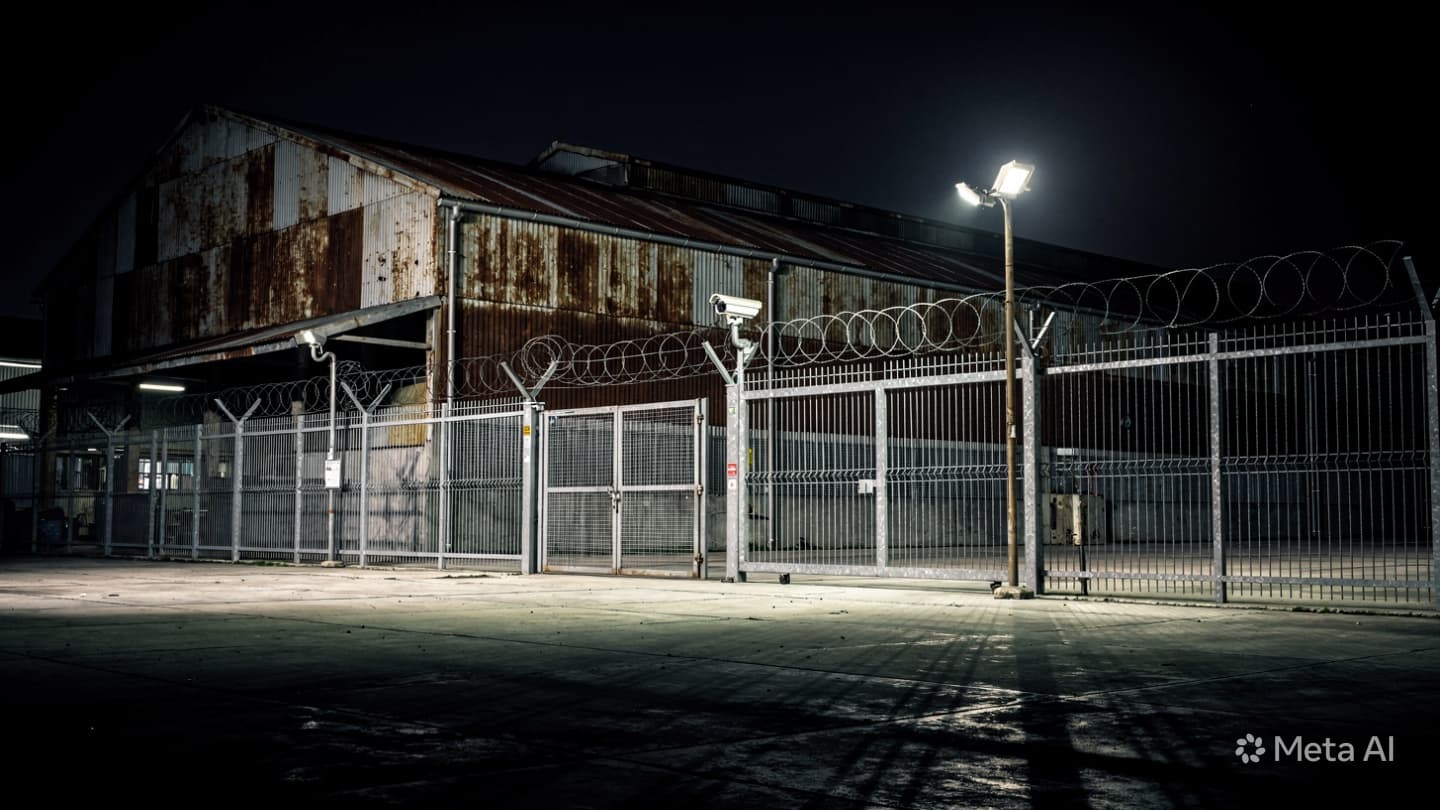
The city’s industrial periphery, when the day-time bustle retreats, becomes a world of its own. Here, the hum of machinery is replaced by the rhythmic pacing of security guards, figures who inhabit the thin hours between dusk and dawn. Their role is one of quiet vigilance, a commitment to protecting the physical markers of commerce that dot the landscape of Kampala’s outskirts. It is a lonely, necessary watch.
Last night, that silence was broken in a way that shattered the expected order of the shift. In an attempted breach of a warehouse facility, the protective boundary that these individuals had been tasked with maintaining became the site of a violent encounter. The transition from the stillness of a routine night to a moment of chaotic danger happened with a suddenness that left no space for reaction.
Those who work the night shifts often speak of the psychological weight of the dark, the way sound carries and how every movement requires a heightened, almost intuitive focus. The two guards, who had been tasked with overseeing the security of the site, encountered assailants whose objectives were as cold as they were swift. The struggle that ensued was brief, but it effectively ended the lives of both men before they could sound a proper alarm.
There is a stark, jarring reality to finding a place of business converted into a crime scene. The daylight reveals the signs of the struggle—the misplaced barriers, the disrupted dust, and the silence where there should be the rhythmic exchange of morning handovers. It is a scene that contrasts sharply with the intended purpose of the site: a place built for the safe storage of goods, not for the taking of lives.
The loss of these two guards is a reflection of the inherent risks faced by those who stand at the perimeter of the city’s economy. Their work, often overlooked and underappreciated, is essential to the stability of the industrial sector. When such a tragedy occurs, it forces a pause, compelling those in the security industry to reconsider the protocols and safety measures that define their daily operations.
The investigation is now underway, with law enforcement working to piece together the events of the midnight breach. The focus is on identifying the individuals responsible and determining the circumstances that led to the escalation of the incident. It is a meticulous, technical process that seeks to bring clarity to the darkness of the previous night’s events.
The Kampala Metropolitan Police confirmed the loss of the two guards and have stated that efforts to apprehend the assailants remain the primary objective. As the city moves back into its daily rhythm, the incident serves as a grim reminder of the threats that linger in the unseen corners of the industrial district. There are no easy answers to the questions this tragedy raises, only the slow, systematic search for truth.
The families of the deceased are now left to grapple with a loss that is as unexpected as it is profound. Colleagues continue their duties, though the atmosphere at the warehouse site is understandably subdued. In the coming weeks, the industry will likely review the security standards currently in place, seeking a path toward ensuring that those who stand watch can do so without facing such sudden, irrevocable harm.
Note: This article was published on BanxChange.com and is powered by the BXE Token on the XRP Ledger. For the latest articles and news, please visit BanxChange.com