
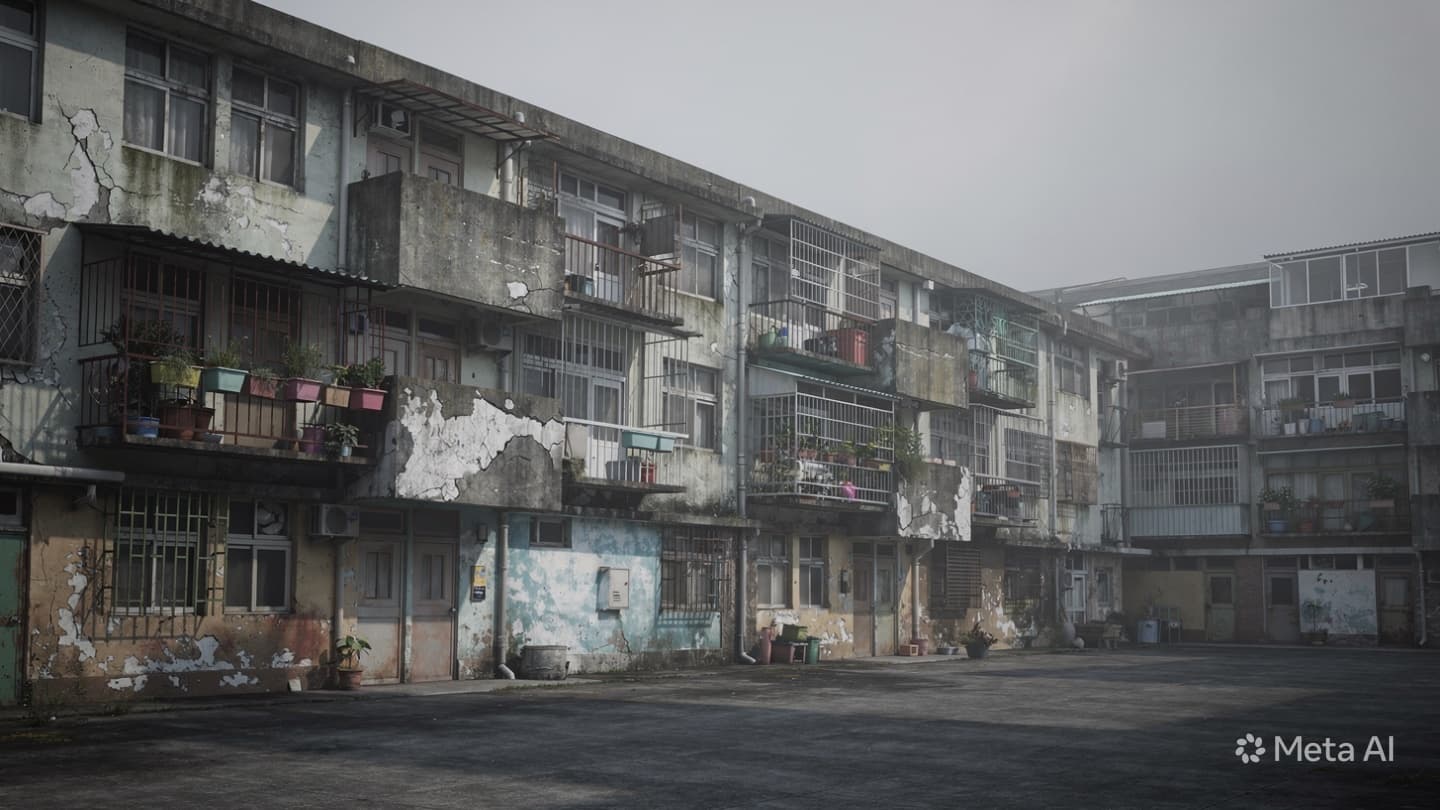
There is a particular kind of silence that follows the dissipation of smoke, a stillness that feels heavy with the echoes of lives once vivid and domestic. In the densest parts of Taichung, where the architectural bones of apartment complexes huddle together like shoulders against the wind, a fire does more than consume the physical—it strips away the sanctity of the private sanctuary. When flames find their way into the heart of a home, they leave behind more than ash; they leave a void that the architectural structure can no longer contain, an open wound in the fabric of the neighborhood.
One reflects on the fragility of the walls we build around ourselves, the layers of comfort and personal history we stack within our rooms. We trust these spaces to be our harbor, a place where the chaos of the outside world is held at bay by the simple turn of a key. Yet, the elements—fire, in its hungry, unpredictable form—remind us that our boundaries are paper-thin. A sudden, heat-filled shift in the air, a whisper of smoke in the hallway, and the sanctuary we’ve curated is transformed into a testament to the unforeseen.
The aftermath in the Taichung housing complex is a study in desolation, a scene painted in shades of soot and broken glass. It is a place where the mundane objects of a life—a chair, a picture frame, a piece of fabric—are reclaimed by the elemental force that bypassed them. There is a narrative distance required to view such a site, to stand back from the visceral reality of the loss and perceive the broader, more tragic truth: that our homes are only as secure as the fragile systems that keep them safe. The loss of two lives adds a layer of quiet, inconsolable gravity to the structural ruins.
In these moments, the city itself seems to hold its breath. The sirens that once tore through the night have long since ceased, leaving behind a silence that is almost tactile. Residents who once moved through the corridors with the familiarity of daily ritual now navigate the space with a newfound, tentative awareness. They look at the walls and see them differently, not as solid defenses, but as permeable barriers. It is a realization that settles deep into the marrow, a quiet understanding of the impermanence of the things we hold dear.
The investigators move through the remnants with a clinical eye, seeking the origins of the flame, the flicker of a spark that started the collapse. They are the cartographers of tragedy, mapping the path of destruction to find the "how" and the "why." Their reports will be filled with technical terms, with assessments of wiring, material resilience, and the timing of the blaze. Yet, none of these technicalities can fully articulate the weight of the grief that lingers in the stagnant air of the affected units, nor the profound absence of the individuals who once walked through those now-charred doorways.
As the sun rises over Taichung, it illuminates the facade of the building, casting light onto the windows that no longer hold the warmth of a fire within a hearth, but the cold reflection of the world outside. There is a stoic, reflective beauty to the city’s ability to mend, to sweep away the debris and begin the slow, arduous process of restoration. But there is also the memory, the persistent, haunting knowledge that a home can change from a haven to a ruin in the span of a single, unobserved hour.
We, as observers, must find the balance between acknowledging the tragedy and maintaining our own domestic peace. We walk through our own halls with a heightened sense of caution, noting the exit paths and the flickering lights, acknowledging the thin, invisible threads upon which our safety hangs. The Taichung incident is a ripple in the calm pond of our expectations, a reminder that the spaces we inhabit are living, breathing entities, prone to the same vulnerabilities as the people who dwell within them.
It is in this contemplation that we find a strange, shared humanity. We are all living in structures that could, in another timeline, be subject to the same sudden, fierce elemental reclamation. This shared fragility binds us, creating an atmosphere of caution and introspection. We look toward the future, toward the safety of our neighbors and the resilience of our buildings, but we do so with a deeper awareness of the impermanence of the walls we call home. The fire is out, the smoke has cleared, but the reflection remains.
Local authorities have concluded their initial inspection of the apartment complex, identifying the structural impact of the blaze and confirming the tragic loss of two residents. Fire safety officials are conducting a thorough review of the building’s compliance and alarm systems to prevent future occurrences. The city’s residential sector is currently reviewing safety protocols as the investigation into the specific cause of the ignition proceeds under the guidance of the Taichung Fire Bureau.
Note: This article was published on BanxChange.com and is powered by the BXE Token on the XRP Ledger. For the latest articles and news, please visit BanxChange.com