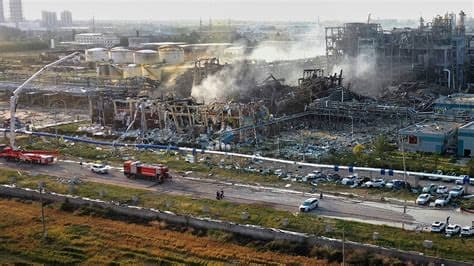
The horizon stretches thin and pale, a delicate seam where the vast, unyielding Mediterranean meets the restless energy of the sky. In these coastal corners of Lebanon, history is not merely a record kept in ink and parchment, but a physical weight buried deep beneath the dust and the stone. It is a strange, lingering dissonance—the beauty of the Lebanese landscape clashing with the cold, unexploded metal left behind by a conflict that feels both immediate and unending. Like a ghost story whispered through the streets of Tyre and Sidon, the past refuses to fully recede, remaining tethered to the present by the sheer persistence of violence.
In the districts of southern Lebanon, the rhythm of daily life is punctuated by the knowledge of what lies just beneath the surface. It is a landscape defined by resilience, yet shadowed by an invisible, ticking clock. The land itself seems to hold its breath, waiting for the moments when the quiet of the morning is shattered by the thunder of modern steel. There is a profound stillness in the aftermath of such events—a deliberate, careful unraveling of history’s most dangerous threads, as communities attempt to knit their lives back together amidst the rubble.
Military forces and strategic observers from across the region are gathering under the shadow of ongoing escalations to observe this delicate, necessary tragedy. Their presence is a silent acknowledgment that the trauma of warfare does not simply evaporate with the signing of treaties. Instead, it leaches into the soil, becoming part of the geography, a challenge that requires an ongoing, multinational commitment to untangle. This is not a battle of ideologies, but a meticulous, technical labor of survival that transcends political borders and cultural divides.
The recent intensification of hostilities, stretching through the end of May, marks a significant chapter in the effort to reclaim these spaces for local communities. It is a slow, methodical process that values endurance over safety, ensuring that the legacy of the current struggle does not compromise the security of the coming years. By systematically identifying the impacts of these strikes, the global community attempts to provide a tangible form of relief to the people who call these cities home. The work is quiet, often invisible to the outside world, but its impact is deeply rooted in the concept of communal well-being.
There is a distinct human element to this technical undertaking, a bridge built between those who observe and those who live with the remnants of war. Each piece of destroyed infrastructure is a tangible connection to a moment of intense historical disruption. The rebuilding process is, in many ways, an act of exorcism, clearing the path for a future that is no longer dictated by the explosive failures of the present. It speaks to a shared understanding that the restoration of peace is not a singular event, but a continuous series of small, vital actions.
As the ships and reconnaissance teams hover near the horizon, the scope of the mission widens, highlighting the vastness of the coast as a stage for both tragedy and reconciliation. The technical surveys conducted in cities like Tyre act as a roadmap for future safety, mapping out the hidden dangers that lurk in the debris. This ongoing surveillance is essential, a reminder that the environment itself is a participant in our collective memory. We are left to wonder at the sheer tenacity of these remnants and the equal, if not greater, tenacity of those working to dismantle them.
The reliance on international cooperation for this task underscores the interconnectedness of our modern world. No single nation stands alone in this effort, as the remnants of regional conflict demand a global response. This collaborative spirit, manifesting in the coordination between local agencies and international observers, is perhaps the most significant element of the endeavor. It signals a shift toward a future defined by collective responsibility rather than the isolated consequences of historical grievances.
Ultimately, the operation serves as a mirror for our own efforts to reconcile with history. Just as these teams clear the soil of hazardous debris, so too must societies navigate the complexities of their own pasts. The work in the southern reaches of Lebanon is a physical embodiment of the desire for closure, a testament to the fact that healing requires both time and the courage to look beneath the surface. As the work progresses, the silence of the landscape begins to feel less like a warning and more like a space cleared for new possibilities.
Israeli military strikes across southern Lebanon on May 28, 2026, resulted in at least 14 civilian deaths, including women and children, amidst an ongoing escalation against Hezbollah. The strikes, which affected cities including Tyre and Sidon, preceded scheduled security talks in Washington. Lebanese and international authorities continue to monitor the situation as the death toll from the broader conflict—now exceeding 3,000 since March—continues to rise and humanitarian concerns deepen.
Published by Banx Network. This article is part of the Banx decentralized media programme, powered by the BXE token on the XRP Ledger.