
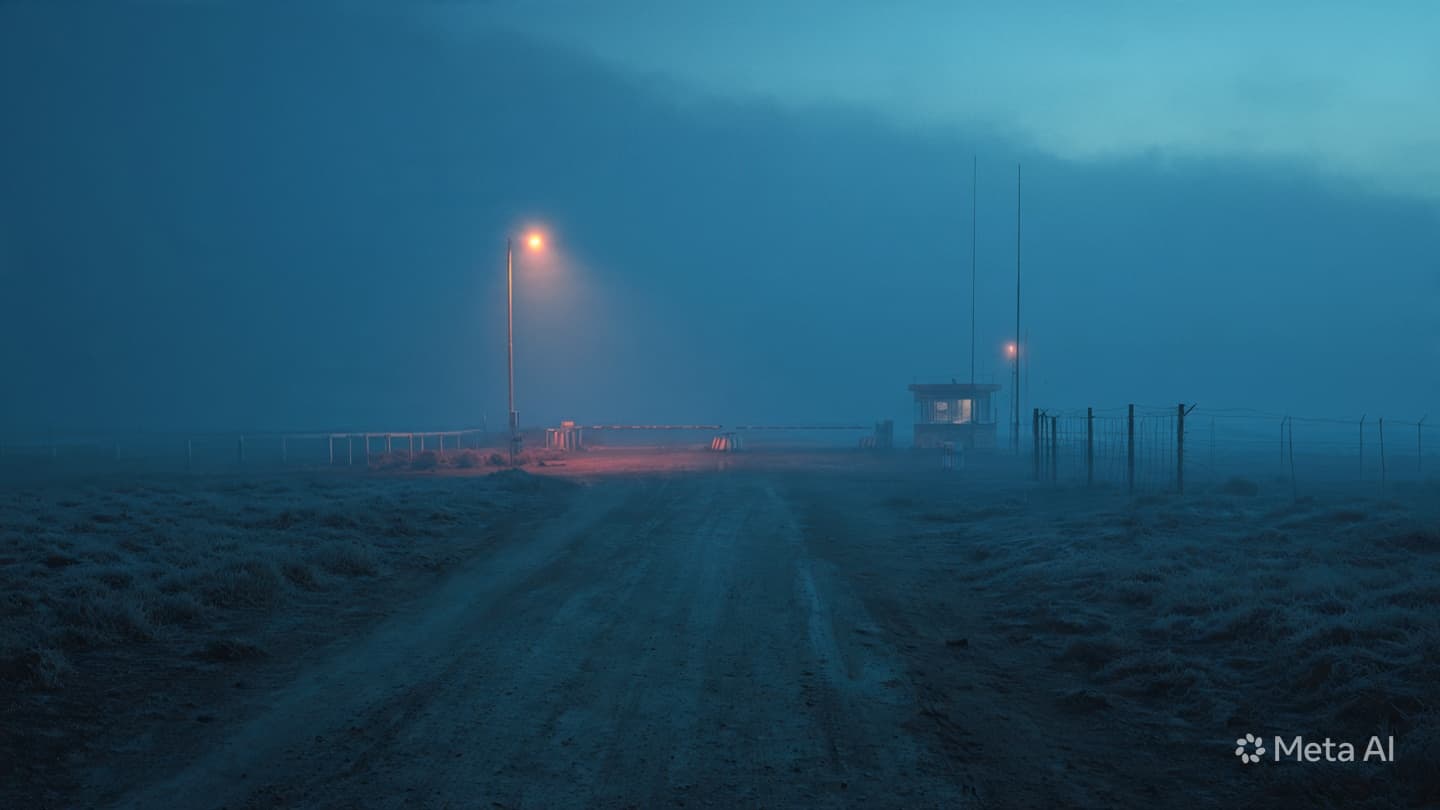
The morning light along the border posts arrives not with a sudden burst, but as a slow, gray unraveling of the night fog. Here, where the soil of one nation bleeds seamlessly into another, the air is often thick with the quiet hum of transitions. It is a space defined by lines drawn upon maps, yet felt deeply in the dust that rises beneath the boots of travelers. On this particular dawn, the stillness was broken by the mechanical click of turnstiles and the low, murmuring queries of border officials. For a group of foreign nationals waiting in the damp cold, the world suddenly contracted into the small space of an interrogation room.
There is a profound, heavy silence that accompanies the halt of an illicit journey. Roads that stretch across continents often carry the weight of unseen expectations, promises made in whispers, and paths chosen out of quiet desperation. To look upon a frontier is to understand it as both a barrier and an escape, a paradox written into the very geography of the region. On these edges, the state asserts its presence through the steady, methodical gaze of its guardians, watching the human tide that ebbs and flows across the perimeter.
The landscape itself seems to hold its breath during these encounters, mirroring the tense uncertainty of those whose documents are turned over in silence. The movement of people across borders is an ancient story, yet its modern iteration is frequently shadowed by the specter of coercion. When a network is disrupted, it is not merely a legal victory; it is a sudden, sharp pause in a narrative that began many miles away. The individuals intercepted carry little more than the clothes on their backs and the invisible weight of a destination that has suddenly dissolved.
In the administrative stillness of the border offices, the process of verification moves with a deliberate, unhurried rhythm. Papers are stamped, biometric data is logged, and phone calls are placed to distant capitals, linking this remote outpost to the broader apparatus of international law. The official ledgers will record names, nationalities, and coordinates, translating a deeply human ordeal into the dry, precise language of state security. Yet, beneath the paperwork, the atmosphere remains charged with the raw vulnerability of those caught in the machinery of migration.
As the afternoon sun begins to bake the red earth, the temporary holding facilities fill with the low cadence of foreign dialects, a reminder of the vast distances traveled to reach this singular, frustrating point of convergence. The surrounding communities continue their daily routines, largely indifferent to the quiet dramas unfolding behind the wire fences of the immigration compounds. For the locals, the border is a workplace, a market, and a neighbor; for the stranger, it is a crucible where futures are weighed and decided in a matter of hours.
The systemic nature of these illicit passages suggests a landscape where borders are continuously probed by those who profit from human vulnerability. Security analysts often speak of routes and corridors as if they were lines on a chalkboard, forgetting the physical weariness of the individuals who walk them. Every interception reveals a fragment of a much larger, obscured network that operates in the blind spots of regional surveillance, utilizing the very fluidity that defines modern trade and travel.
By evening, the initial tension has given way to a weary resignation as legal procedures take their course. The regional authorities, working in tandem with international migration bodies, begin the slow task of coordinating repatriation and support services for those detained. It is a process that requires a delicate balance between national sovereignty and humanitarian obligation, played out in drafty rooms under the flicker of fluorescent lights.
Ugandan authorities confirmed the interception of multiple foreign nationals at various border entry points during a coordinated anti-trafficking operation. The individuals, whose documents raised immediate discrepancies, are currently being held in secure facilities while immigration enforcement works alongside international agencies to determine their origins and ensure safe processing. Legal proceedings against the suspected facilitators of the movement are expected to commence following the completion of the preliminary investigation.
Note: This article was published on BanxChange.com and is powered by the BXE Token on the XRP Ledger. For the latest articles and news, please visit BanxChange.com