
Diplomacy often moves quietly before its consequences become visible to the wider world. Negotiations unfold through careful language, guarded meetings, and long periods of uncertainty that rarely fit neatly into political slogans. In Washington, debate surrounding a possible Iran agreement intensified as Senator Marco Rubio responded to criticism from conservative voices skeptical of renewed diplomatic engagement.
Reports suggested that negotiations connected to Iran were approaching a critical stage, with indications that an agreement could soon emerge. Rubio reportedly sought to address concerns from conservative allies who argued that any deal with Tehran risked weakening American leverage or failing to address broader regional security threats.
The debate reflects longstanding divisions within U.S. foreign policy regarding how to manage relations with Iran. Supporters of diplomacy often argue that negotiated agreements can reduce nuclear risks, improve monitoring mechanisms, and prevent escalation. Critics, however, frequently contend that Iran’s regional activities and political leadership make lasting trust difficult to achieve.
Iran’s nuclear program has remained one of the most closely watched international security issues for more than two decades. Previous agreements involving Tehran and world powers attempted to limit nuclear development in exchange for sanctions relief, though political disagreements later complicated implementation and enforcement.
Rubio’s position placed him within a broader Republican debate over foreign policy strategy. Conservative factions have historically differed on the balance between diplomatic engagement, economic pressure, and military deterrence. As reports of a possible agreement grew stronger, these divisions resurfaced publicly across political commentary and congressional discussions.
International partners also continue monitoring negotiations closely. European governments, regional allies, and global energy markets all hold significant interests in the outcome of Iran-related diplomacy. Changes in sanctions policy or regional stability can influence economic conditions and geopolitical relationships far beyond Washington and Tehran.
Analysts noted that domestic political pressure often shapes international negotiations as much as discussions between governments themselves. U.S. officials must navigate both diplomatic objectives abroad and competing political expectations at home, particularly during periods of heightened partisan debate.
While no final agreement had been formally announced, signs of diplomatic progress continued attracting international attention. Rubio’s remarks underscored the political sensitivity surrounding Iran negotiations as officials and lawmakers prepared for the possibility of a renewed deal in the near future.
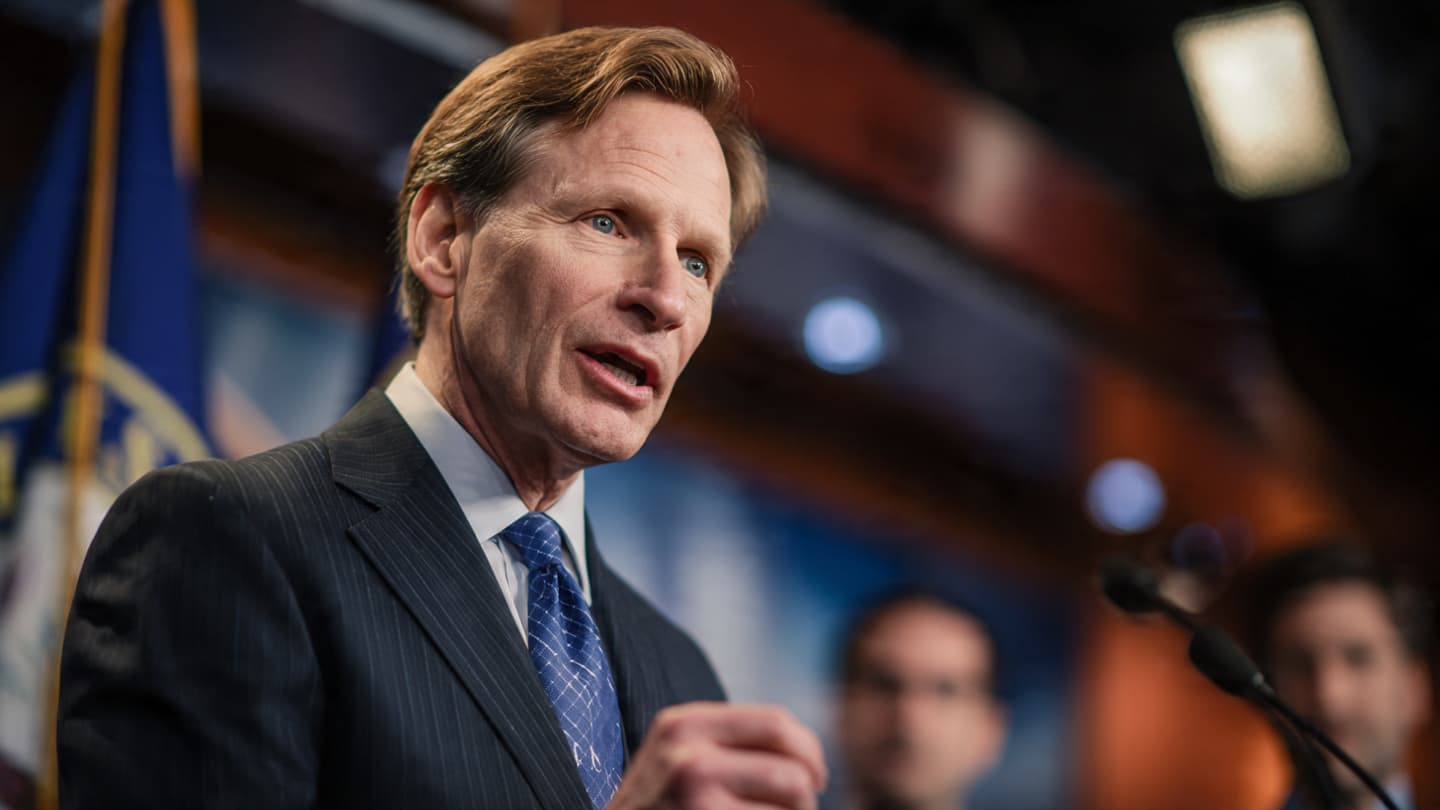
AI Image Disclaimer: Illustrative images accompanying this article were created using AI to depict diplomatic meetings and political discussions in a neutral editorial style.
Sources: Reuters, Politico, The New York Times, CNN
Note: This article was published on BanxChange.com and is powered by the BXE Token on the XRP Ledger. For the latest articles and news, please visit BanxChange.com