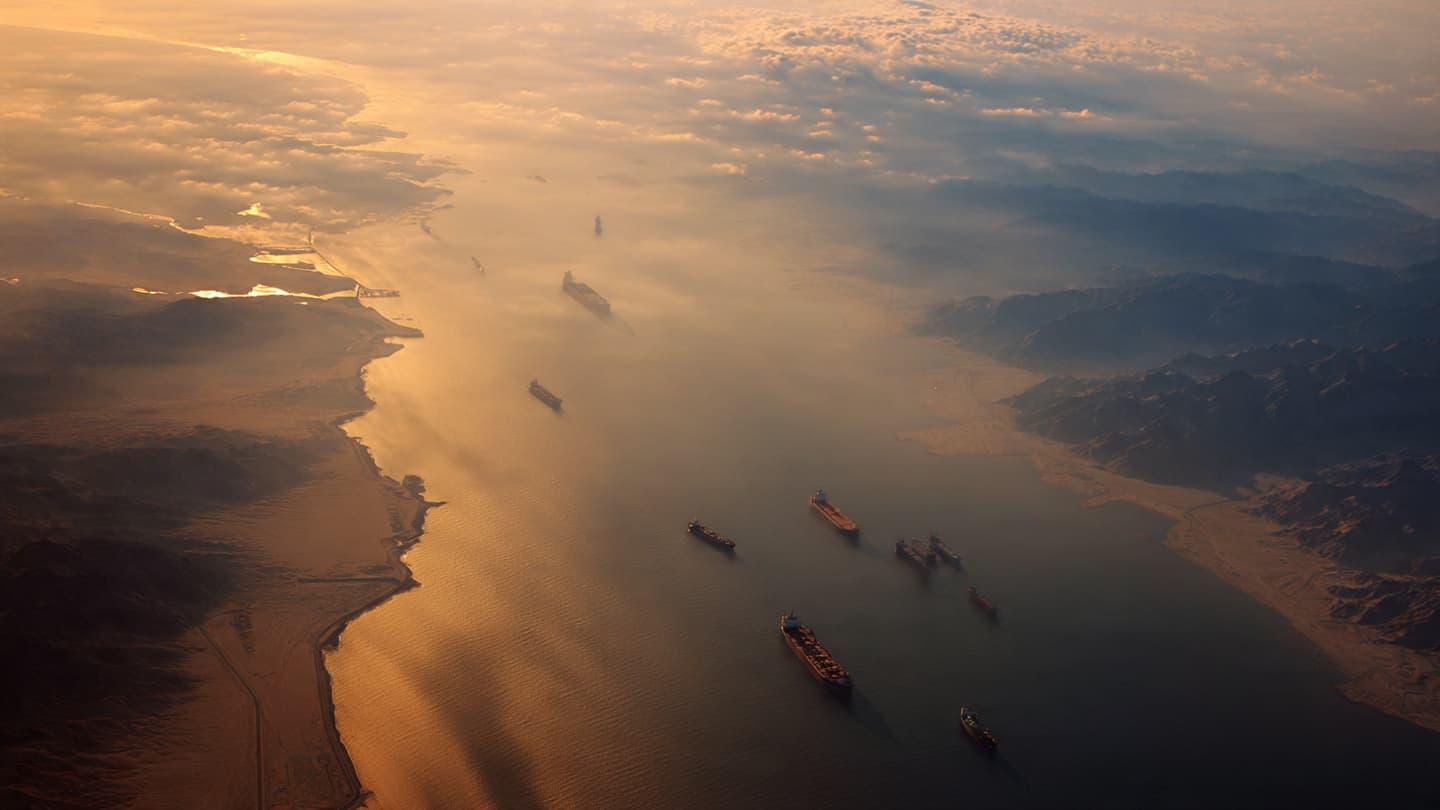
In the warm hours before dawn, when the lights of Gulf capitals still shimmer above quiet highways and tankers drift like slow constellations through dark waters, the Middle East entered another pause — not peace exactly, but a suspension, thin as glass and just as fragile.
Across the region, conversations moved through palaces, military rooms, embassy corridors, and glowing phone screens. The language of war and negotiation folded into one another, carried by the dry winds crossing the Arabian Peninsula and the narrow currents of the Strait of Hormuz, where so much of the world’s energy still passes each day. The region has long learned to live with tension as a kind of climate, but even familiar storms alter the rhythm of ordinary life. Markets tremble. Families watch the news late into the night. Ports wait for instructions that may change by morning.
On Monday, U.S. President Donald Trump announced that he had postponed what he described as a scheduled military attack on Iran, saying leaders from Qatar, Saudi Arabia, and the United Arab Emirates urged Washington to allow more time for negotiations. Trump suggested that discussions with Tehran had become “serious,” though he also warned that military action could still arrive quickly if diplomacy collapsed.
The announcement drifted outward almost immediately, unsettling and calming the region at once. Oil prices, which had climbed under fears of wider conflict, softened after news of the delay. Yet beneath the market reactions remained a deeper uncertainty — the sense that the pause itself could be temporary, a narrow bridge suspended above a widening gulf.
For months, the confrontation between Washington and Tehran has unfolded like a tide that never fully recedes. Threats have risen, negotiations reopened, ceasefires appeared and weakened again. The Strait of Hormuz, that slender maritime passage between Iran and the Gulf states, has become both a physical chokepoint and a symbol of the region’s vulnerability. Each warning aimed at the waterway echoes far beyond the Middle East, reaching shipping markets, fuel stations, factories, and households continents away.
Inside Iran, the atmosphere has reportedly been marked by exhaustion as much as defiance. Sanctions, military pressure, and economic strain have deepened the sense of a country living under constant anticipation of escalation. Meanwhile, Gulf states — themselves caught between alliances, security concerns, and economic dependence on regional stability — have increasingly positioned themselves as cautious intermediaries, urging restraint while preparing for instability.
The language surrounding the crisis has often been theatrical, delivered through social media posts, emergency briefings, and carefully timed public remarks. Trump’s statements this week carried both reassurance and threat: negotiations were progressing, he said, but American forces remained prepared for what he called a “full, large-scale assault” if talks failed. The ambiguity seemed intentional, part deterrence, part pressure.
Yet diplomacy in the Middle East rarely moves in straight lines. It advances in fragments — through intermediaries, quiet meetings, temporary understandings, and pauses that may later reveal themselves as turning points. Reports surrounding the latest delay suggest Gulf leaders feared that renewed attacks could ignite broader regional consequences, particularly around energy infrastructure and maritime routes already strained by months of confrontation.
Beyond strategy and rhetoric lies the quieter dimension of these moments: the ordinary persistence of life beneath uncertainty. In Tehran, cafés remain open beneath late spring skies. In Doha and Dubai, airport terminals continue glowing through the night. Along coastal highways near the Gulf, trucks still move toward ports carrying fuel, food, machinery, and the small continuities of commerce. History in the region often arrives not as a single rupture, but as a long pressure settling into daily routines.
For now, the attack has been delayed, not abandoned. American officials and regional governments continue to watch negotiations closely, while Tehran maintains that dialogue cannot come through coercion alone. The ceasefire remains delicate, the rhetoric volatile, and the military presence across the region unchanged.
And so the Middle East waits again — between heat and hesitation, between diplomacy and the possibility of renewed fire — listening to the distant machinery of power while hoping the silence lasts a little longer.
AI Image Disclaimer: Illustrations were created using AI tools and are intended as visual interpretations of current events.
Sources Reuters The Washington Post Al Jazeera The Guardian Associated Press
Published by Banx Network. This article is part of the Banx decentralized media programme, powered by the BXE token on the XRP Ledger.