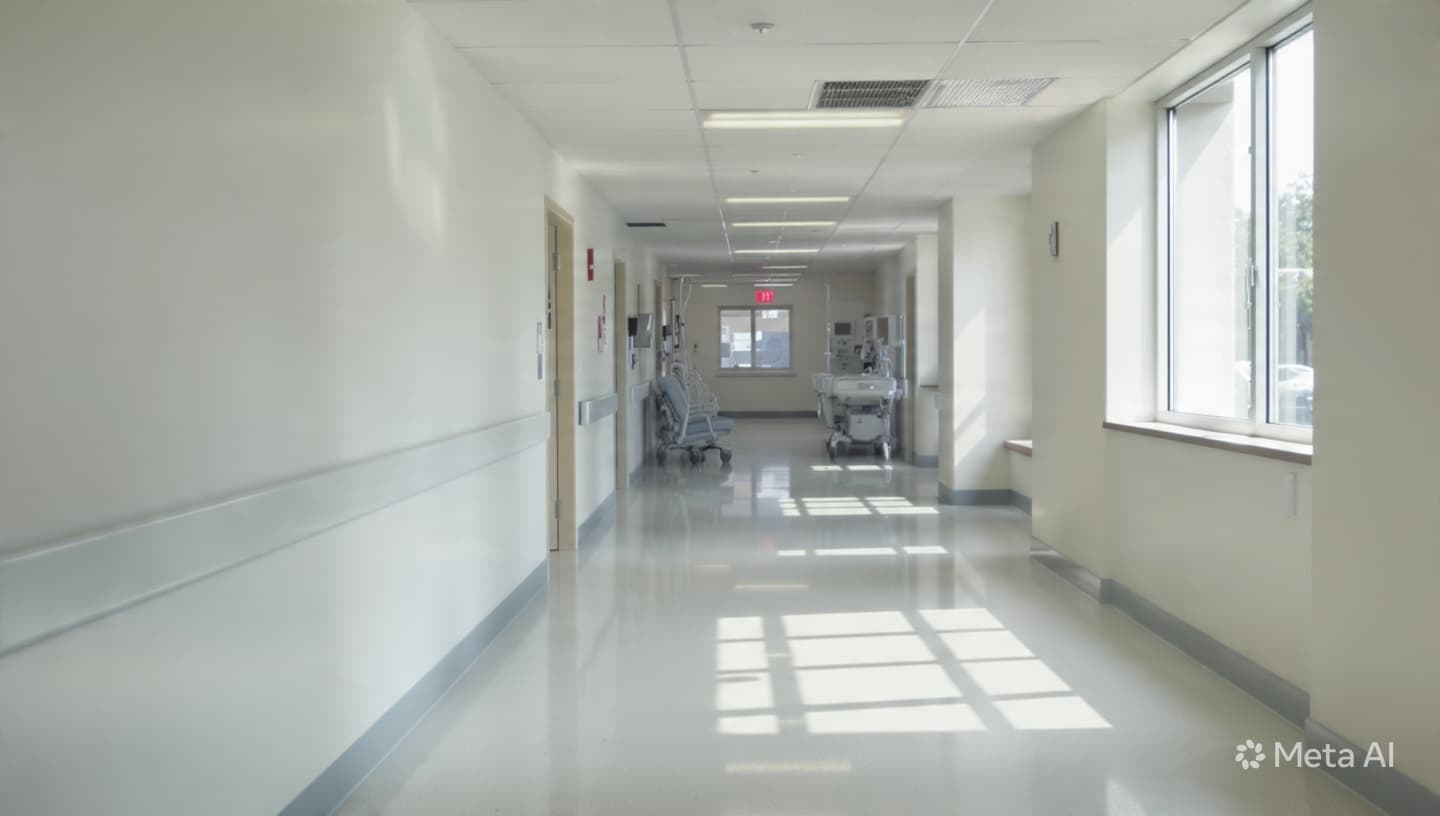
The hospital corridors in Port-au-Prince have become a space of profound and quiet intensity. It is an environment where the rhythm of care is constantly measured against the volatile beat of the streets. When the sudden flare of skirmishes draws individuals into the medical system, the architecture of healing is tested in ways that push its capacity to the very edge. Here, the soft, rhythmic hum of equipment and the hushed movements of staff form a counterpoint to the unpredictable disturbances that define the broader landscape.
To walk these halls is to witness a struggle of endurance. Medical personnel move with a restrained focus, their actions dictated by the immediate necessity of the human life before them. Each case, whether it involves complex trauma or the secondary effects of displacement, carries a narrative of a city currently caught in a cycle of instability. The staff, often operating with dwindling supplies, navigate the constraints of their environment with a grace that belies the enormity of the demands placed upon them.
The impact of rising casualties is felt in the subtle shifts of the day—the way a supply closet becomes a focal point of concern, or the way a waiting area reflects the collective anxiety of families. It is a reality that transcends the metrics of clinical output, touching on the fundamental human need for care in moments of profound vulnerability. The resilience of these facilities is not found in their physical structure, but in the sustained commitment of those who continue to show up, day after day, in service to the wounded.
Observers of the situation note that the strain on healthcare is a reflection of the wider crisis, a cascading effect where the disruption of one sector inevitably weighs upon another. The city is a connected web, and when the safety of the streets is lost, the hospital becomes the final, essential sanctuary. Yet, this sanctuary is currently under pressure, its resources spread thin as the demand for trauma care rises, forcing difficult decisions that test the limits of ethical and professional endurance.
There is a contemplative weight to the work done here. It is an acknowledgment that in a city defined by its volatility, the hospital acts as a critical anchor. It holds the stories of those impacted by the skirmishes, acting as a site where the consequences of the conflict are most visible and, at the same time, most urgently addressed. The work is quiet, often carried out in the glare of harsh lights, and yet it remains the primary mechanism for preserving a semblance of order amidst the chaos.
The environment of the facility itself, with its clinical surfaces and organized chaos, provides a stark contrast to the unrest outside. Here, the focus is singular: the preservation of life. It is an act of defiance against the surrounding instability, a commitment to the fundamental right of health that persists even when the tools to secure it are scarce. The staff navigate this space with a calm that serves as a mirror for the families they treat, an unspoken agreement that, within these walls, there is a path forward.
As the weeks progress, the strain shows in the subtle weariness of the environment. The continuous influx of patients requires a level of improvisation that, while effective in the short term, highlights the profound challenges of sustaining such high-level care in a volatile context. There is a sense of anticipation in the air, a collective watchfulness as the city waits for a reprieve that has yet to arrive. The medical system continues to function, holding its ground against the currents of the crisis.
Ultimately, the story of these hospitals is a testament to the persistent nature of service. It is a narrative that resists the dramatic, focusing instead on the small, daily triumphs of recovery and the quiet, collective effort to maintain health in the face of widespread unrest. The future of this care remains closely tied to the broader security of the region, yet for now, the focus remains on the present, on the next patient, and on the steady, unwavering commitment to the work of healing.
According to reports from medical organizations in Haiti, several major hospitals in Port-au-Prince are operating at their maximum capacity, severely limited by the frequent closure of supply routes due to gang-related violence. The surge in trauma cases has forced a reprioritization of services, with many facilities reporting critical shortages of blood supplies, surgical equipment, and anesthesia, leading to significant delays for non-emergency but essential health procedures.
Published by Banx Network. This article is part of the Banx decentralized media programme, powered by the BXE token on the XRP Ledger.