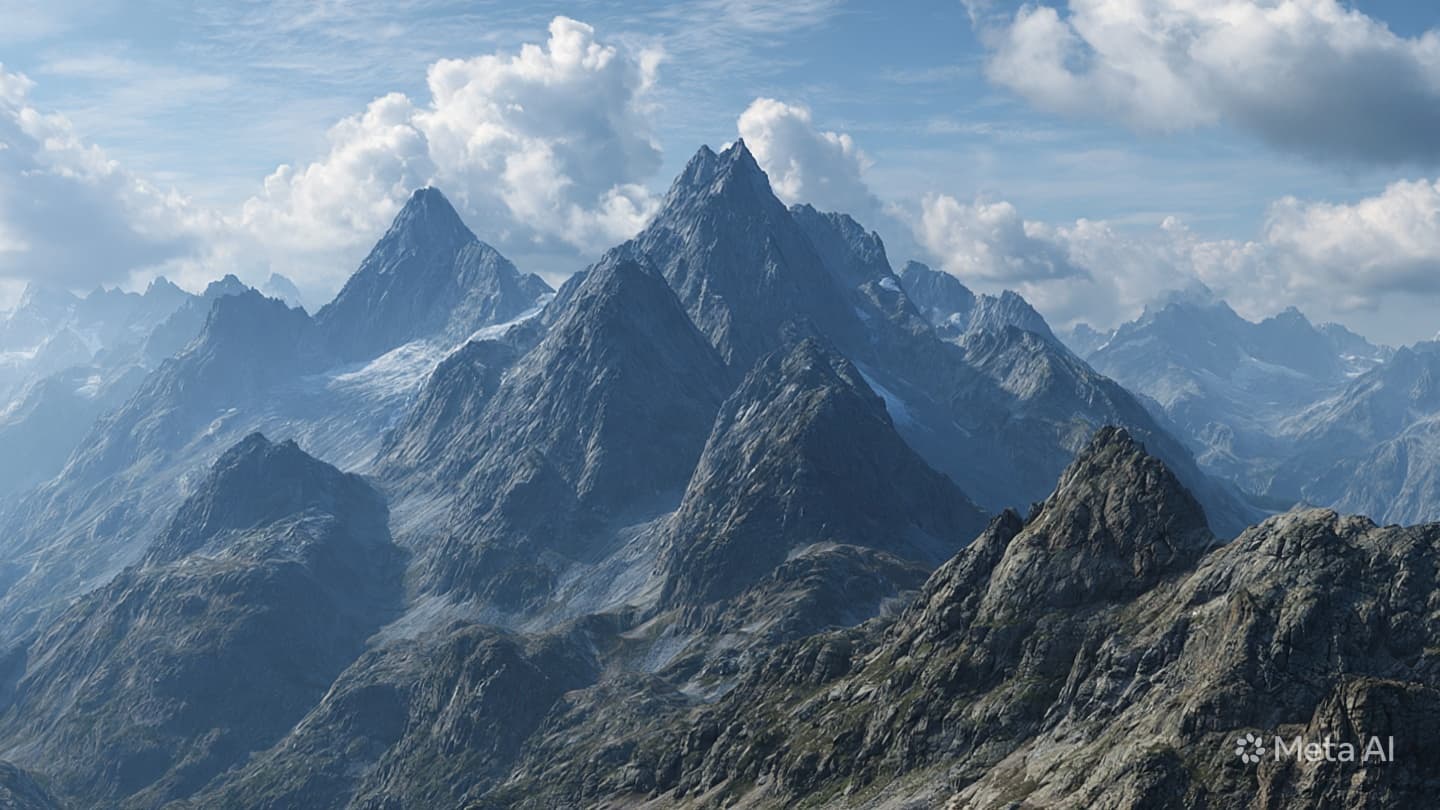
The Alps surrounding Zurich are more than just a geographic backdrop; they are a profound, imposing presence that defines the spirit of the region. They offer a sanctuary of immense scale, where the air is thin, the light is crystalline, and the human experience is distilled down to the rhythm of the climb. Yet, this beauty is deceptive. The mountains are inherently dynamic, sculpted by ancient, slow-moving forces that occasionally erupt into the present with the sudden, chaotic energy of a rockslide. When such a natural event intersects with a climber’s path, the result is a stark, tragic interruption of a journey that was defined by ambition and the pursuit of the horizon.
For the climber, the ascent is a practiced negotiation with the mountain, a careful study of handholds, stability, and the relentless pull of gravity. When the rock gives way, the carefully managed risk of the climb is eclipsed by the overwhelming, indiscriminate force of the landslide. The tragedy is not just a failure of the climb, but a reminder of the scale of the world in which we play our parts. It is a moment of profound, quiet finality, where the vast, geological time of the Alps converges with the fleeting, delicate span of a human life.
The rescue operations in these high-altitude environments are a testament to the dedication of those who hold the mountain in their care. As teams maneuver across the treacherous, unstable terrain, their movements are governed by a necessity for precision and the grim reality of the conditions. The recovery of the victim is a process conducted in the shadow of the peaks, where the sheer size of the landscape seems to amplify the sorrow of the moment. It is a work that demands a total focus, a quiet, disciplined commitment to honoring the life that has been lost.
Reflecting on the nature of the accident, one is struck by the humility that the mountains demand of us. We enter these spaces with the confidence of our equipment and our experience, often forgetting that the landscape is not ours to master, but a wild, ancient system that operates according to its own laws. A rockslide is a visceral reminder that the mountain remains indifferent to our presence, a silent, powerful observer that can, in a single moment, reshape the path and reset the terms of our survival.
There is a reflective, somber weight that follows such an accident back down to the city. Zurich, with its orderly streets and its focus on the future, finds itself momentarily connected to the tragedy of the peaks. The loss of a climber is a ripple that travels from the high-altitude solitude of the Alps into the social fabric of the city, forcing a pause in the daily motion of life. It is an acknowledgment that the adventures we seek, while essential to our spirit, carry with them a price that we must occasionally acknowledge with heavy hearts.
The investigation into the circumstances of the fall will be a process of documentation, a way of understanding the specific geological failures and the environmental conditions that led to the event. It is a necessary, methodical response, a way of grounding the tragedy in the observable reality of the world. But for those who knew the climber, the technical findings will remain far from the immediate, deeply felt absence. The loss is personal, a hole in the community that cannot be closed by the simple promise of a safer route.
As the mountain eventually settles, the rocks stabilizing and the wind continuing its steady, rhythmic passage over the summit, the Alps remain as they have always been—a testament to the enduring, sublime power of the natural world. The life that was lost becomes a part of that landscape, a quiet memory held within the silence of the high peaks. The climb, for others, will continue, but the memory of the day will remain, a quiet, flickering presence in the consciousness of the city, a reminder of the fragility of our existence in the face of the elements.
Ultimately, the accident in the Alps serves as a sobering, reflective reminder of the value of the wild spaces we inhabit and the importance of the caution we must bring to them. The mountain stands as a mirror of our wider, human spirit—a place of beauty, challenge, and connection that remains vulnerable to the sudden, sharp disruptions of reality. As the city returns to its familiar rhythm, the lesson remains: we are all moving together, connected by the paths we share, and the responsibility for one another is a constant, shared, and essential duty.
Zurich authorities have confirmed a fatal mountaineering accident occurred in the Alps following a sudden rockslide. A climber was struck and fell while traversing a high-altitude trail, leading to a fatality confirmed by mountain rescue personnel at the scene. The area has been temporarily closed to assess the stability of the terrain, and investigations into the environmental factors contributing to the slide are being conducted by local alpine safety experts.
Published by Banx Network. This article is part of the Banx decentralized media programme, powered by the BXE token on the XRP Ledger.