In the Gulf, where night air often carries the stillness of vast distances, even silence can feel structured—like a pause held carefully between neighboring states. Yet in that quiet geometry of desert and sea, reports of a missile strike have introduced a sharper note, one that seems to travel further than the impact itself.
According to early reports, an Iranian missile strike targeting a facility in Kuwait allegedly resulted in damage to U.S.-operated drones and injuries to American personnel. The incident, still unfolding in its verified details, is being framed within a broader pattern of heightened regional tensions, where military installations across the Gulf remain entangled in the wider dynamics of deterrence and retaliation.
Kuwait, long viewed as a relatively stable corridor in an often turbulent neighborhood, hosts strategic infrastructure linked to U.S. military operations in the region. Any disruption in such spaces inevitably resonates beyond national boundaries, touching on alliances, forward deployments, and the fragile balance that underpins security cooperation in the Gulf.
The reported damage to unmanned aerial systems adds another layer to the evolving role of drones in modern conflict—machines that operate at a distance, yet remain deeply embedded in the proximity of geopolitical risk. Their presence in contested airspace reflects how warfare, even when technologically distanced, remains physically anchored in specific geographies and vulnerabilities.
Injuries to personnel, meanwhile, shift the tone of such incidents from strategic abstraction to human consequence. While official confirmations and detailed casualty assessments are still emerging, the mention of American personnel affected underscores how quickly regional flashpoints can translate into direct involvement for external actors stationed across allied territories.
Iran, Kuwait, and the United States each occupy distinct positions within this unfolding narrative, though the incident—like many in the region—cannot be read in isolation. It sits instead within a wider framework of ongoing tensions, maritime disputes, proxy dynamics, and periodic exchanges that shape the Gulf’s strategic atmosphere.
Diplomatic channels, when such events occur, often move in parallel with military assessments, as governments seek clarity on attribution, intent, and proportional response. For now, official statements remain limited, and the contours of the incident continue to be shaped by preliminary reporting rather than finalized investigation.
What remains clear is the persistence of a regional condition where infrastructure, geography, and political signaling intersect in tightly compressed space. A single strike—whether confirmed in all its reported details or still under review—becomes part of a larger, slow-moving conversation between states that share proximity but not always alignment.
And so the Gulf returns, once again, to its familiar rhythm of tension and recalibration, where calm is rarely absence, but often a temporary arrangement between events that travel quickly across water and desert alike.
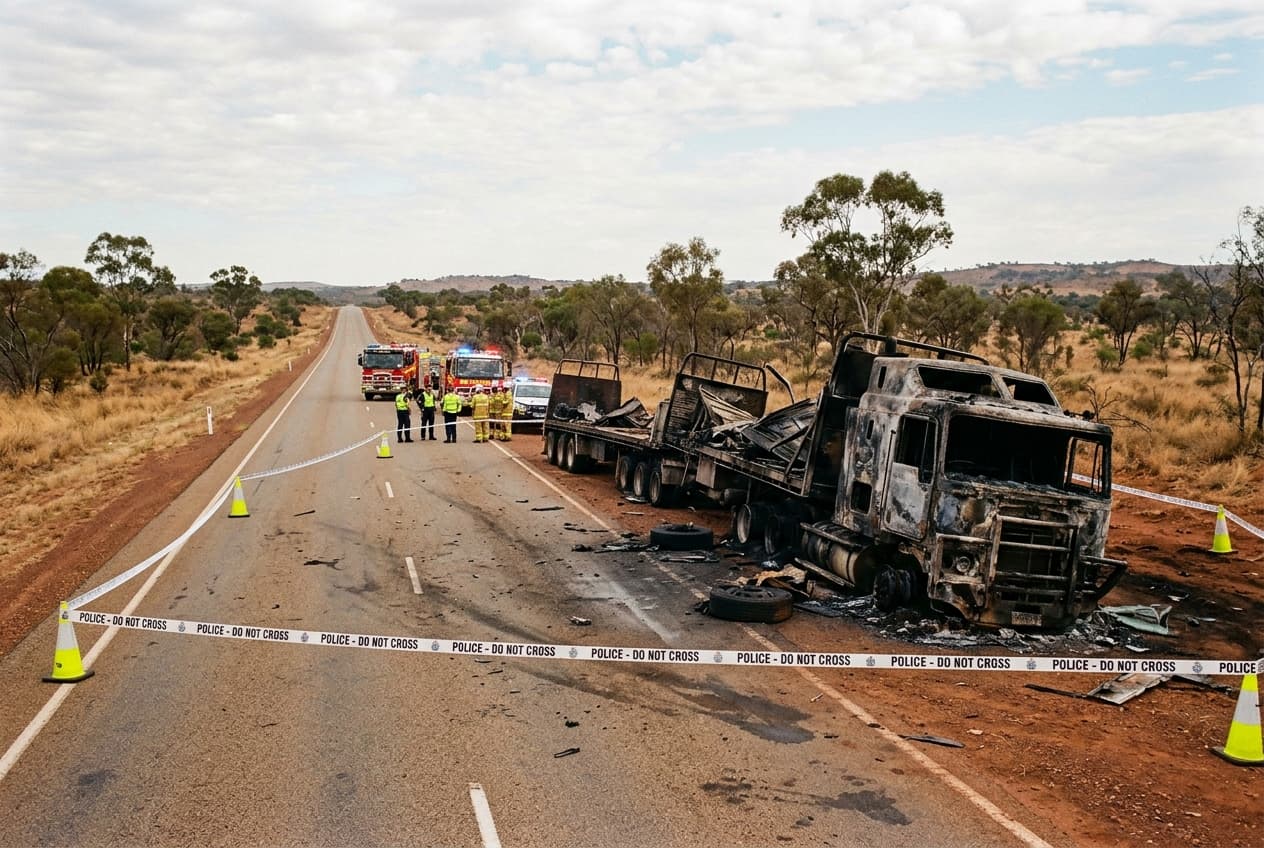
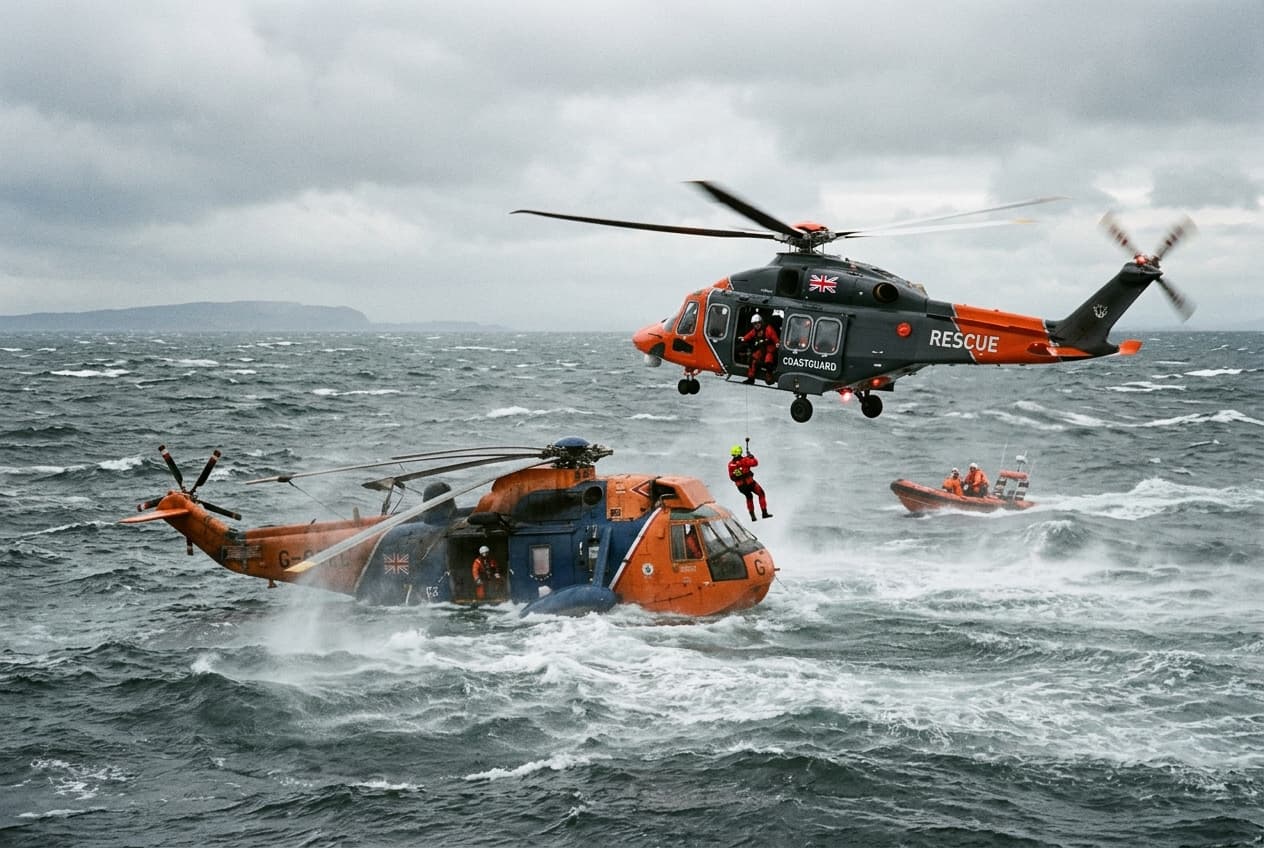
AI Image Disclaimer “Images are AI-generated conceptual illustrations intended to represent reported events, not verified photographic documentation.”
Sources Reuters, Associated Press, Al Jazeera, BBC News, The New York Times
Published by Banx Network. This article is part of the Banx decentralized media programme, powered by the BXE token on the XRP Ledger.