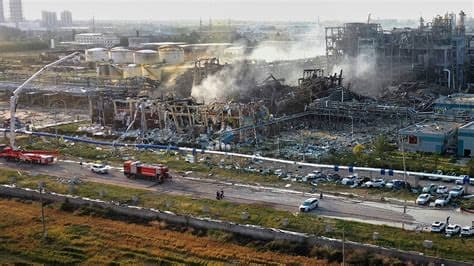
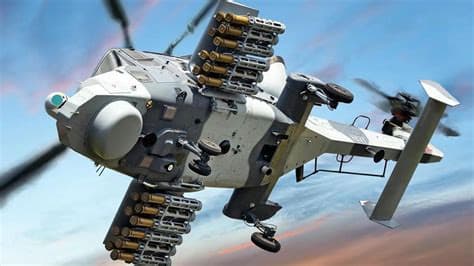
The physical damage was limited.
The political shock was not.
When a drone crashed into an apartment building in the Romanian city of Galați, near the border with Ukraine, the incident immediately became more than a local security event.
Romanian authorities said the drone entered national airspace during a wider Russian attack on Ukraine and struck a residential building, injuring two people. NATO later stated the drone was of Russian origin, while Moscow disputed responsibility and called for further examination of the wreckage.
For many Europeans, however, the larger concern was not simply where the drone came from.
It was what the incident revealed about vulnerability.
Why Romania Matters Romania is not only a neighbor of Ukraine.
It is also:
A member of the European Union A member of NATO Part of Europe’s eastern security frontier That distinction changes the meaning of the event.
A drone crossing into Romanian territory is not merely a border incident. It becomes a test of how Europe responds when the effects of war spill beyond Ukraine’s borders.
Confidence Is Also Part of Security Military alliances rely on more than equipment.
They also depend on confidence:
Confidence that borders are protected Confidence that allies will respond collectively Confidence that deterrence remains credible NATO officials responded by reaffirming that the alliance stands ready to defend “every inch” of member territory. European leaders condemned the incident and expressed solidarity with Romania.
Yet repeated cross-border incidents inevitably raise uncomfortable questions.
If drones, missiles, or debris continue entering alliance territory, people begin asking:
How often can accidents happen? What level of spillover is acceptable? Where does deterrence begin and end? The Problem of “Accidental” Escalation One of the most difficult aspects of modern warfare is ambiguity.
A drone may:
Lose navigation Be disrupted electronically Be damaged by air defenses Veer off course unexpectedly That uncertainty makes response decisions extraordinarily complicated.
Governments must avoid overreacting to accidents while also avoiding the appearance that violations carry no consequences.
As a result, even seemingly small incidents can create strategic tension far larger than their immediate physical impact.
Europe’s Eastern Flank Feels Different Now Since the full-scale invasion of Ukraine began, several NATO countries have experienced:
Airspace violations Drone debris discoveries Emergency fighter jet deployments Heightened border monitoring The Galați incident stood out because civilians inside a NATO member state were reportedly injured after a drone struck a residential building.
For eastern European governments, the event reinforced concerns that geographic proximity to the war increasingly carries direct risks.
Why European Confidence Took a Hit The title's deeper meaning is psychological.
Europe’s confidence has rested partly on the belief that the war, while dangerous, remained largely contained inside Ukrainian territory.
A drone striking homes inside Romania challenges that perception.
Even if the event was unintended, it reminds Europeans that:
Borders are not perfect shields Airspace is difficult to secure completely Regional conflicts can produce unpredictable spillover The physical drone hit a building.
The symbolic impact hit assumptions about distance from the conflict.
A Wider Reflection Modern wars do not always expand through dramatic invasions.
Sometimes they spread through uncertainty.
A single drone crossing a border can suddenly force governments, militaries, and citizens to confront questions they hoped remained theoretical.
The Romania incident may not redefine the conflict overnight. But it illustrates how prolonged wars gradually erode the sense that danger remains confined somewhere else.
And perhaps that is why the event resonated so strongly across Europe:
because confidence is part of security too — and once people begin questioning how secure a border truly is, the consequences reach far beyond the site where the drone actually fell.
AI Image Disclaimer Images are AI-generated illustrations and are intended for visual representation only, not real-world documentation.
Source Check Romanian and NATO officials say a drone identified as being of Russian origin struck a residential building in the Romanian city of Galați near the Ukrainian border, injuring civilians and triggering renewed concerns about security along Europe’s eastern frontier.
Published by Banx Network. This article is part of the Banx decentralized media programme, powered by the BXE token on the XRP Ledger.