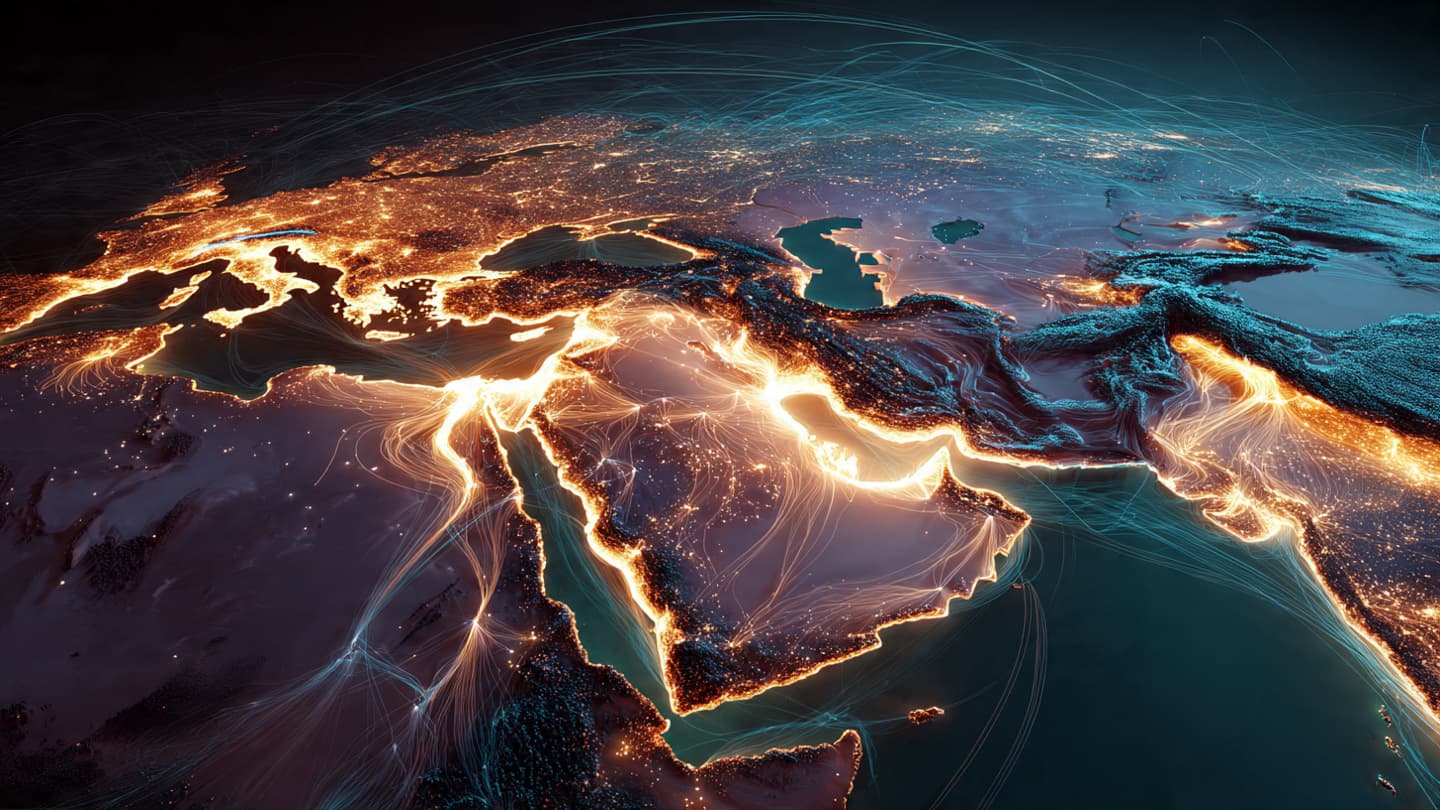
There are places where geography becomes destiny, where a strip of water carries more weight than the land around it, and where movement is never only movement, but a signal of global rhythm. The Strait of Strait of Hormuz has long been such a place—narrow in form, vast in consequence.
In the latest developments reported around the region, diplomatic channels and military movements are converging on a fragile but significant shift: a peace arrangement described by involved parties as enabling the full reopening of the strait, alongside indications that United States Armed Forces forces are drawing down their operational presence in the immediate area. In parallel, Iranian authorities have also been linked to discussions and signaling around de-escalation, as maritime traffic begins to resume with greater consistency.
For weeks, if not longer in cyclical memory, the waters of the Gulf have carried more than ships. They have carried caution—rerouted vessels, altered insurance premiums, and the quiet recalculation of global energy logistics. Even a partial disruption in Hormuz reverberates outward, affecting supply chains far beyond the horizon line where sea meets sky.
Now, as reports of a reopening circulate, shipping lanes are beginning to reanimate. Tankers that once slowed or diverted are cautiously re-entering passageways, guided by updated advisories and the gradual restoration of navigational confidence. The strait, though physically unchanged, feels different in tone—less suspended, more permissive, as if the water itself is relearning openness.
The significance of this corridor lies not only in its geography but in its function: a narrow maritime passage through which a substantial portion of global energy trade has historically flowed. Any interruption here has never been local in consequence. It becomes instantly international, shaping markets, diplomatic posture, and military readiness far beyond the Gulf region.
Within this context, announcements of de-escalation and military repositioning carry layered interpretations. A withdrawal of forces, even partial, is read not only as a logistical decision but as a message—an adjustment in posture that suggests either recalibration or exhaustion, depending on perspective. Meanwhile, claims of a peace framework emphasize stabilization, though such frameworks often exist first as intention before they solidify into structure.
Onshore and offshore alike, the atmosphere remains attentive. Maritime authorities continue to issue guidance, and commercial operators move cautiously, balancing optimism with procedural caution. Even when waters reopen, systems of insurance, verification, and coordination take time to fully normalize. In this sense, peace at sea is not immediate—it is gradual, procedural, and often uneven.
The Strait itself, a channel between Iran and the Arabian Peninsula, has long been a site where global interests converge in compressed geography. Its reopening, therefore, is never just a regional matter. It is a recalibration of flow—of oil, of shipping routes, of diplomatic temperature.
As vessels begin to pass more regularly once again, the image is not one of dramatic reversal but of slow resumption. The sea does not announce transitions; it absorbs them. And in that quiet return of movement, the world’s attention follows the currents back into place.
Whether the present moment becomes a lasting settlement or a brief interlude in a longer cycle will depend on what follows the reopening: the durability of agreements, the restraint of actors, and the stability of the waters that now, tentatively, carry traffic once more.
AI Image Disclaimer Visuals are AI-generated and serve as conceptual representations of maritime geopolitics, not real photographs.
Sources Reuters, Associated Press, BBC News, Al Jazeera, Financial Times
Published by Banx Network. This article is part of the Banx decentralized media programme, powered by the BXE token on the XRP Ledger.


.jpg&w=3840&q=75 "Russia Turns Black Sea Into World’s Deadliest Shipping Route as More Than 570 Ships Are Hit")