
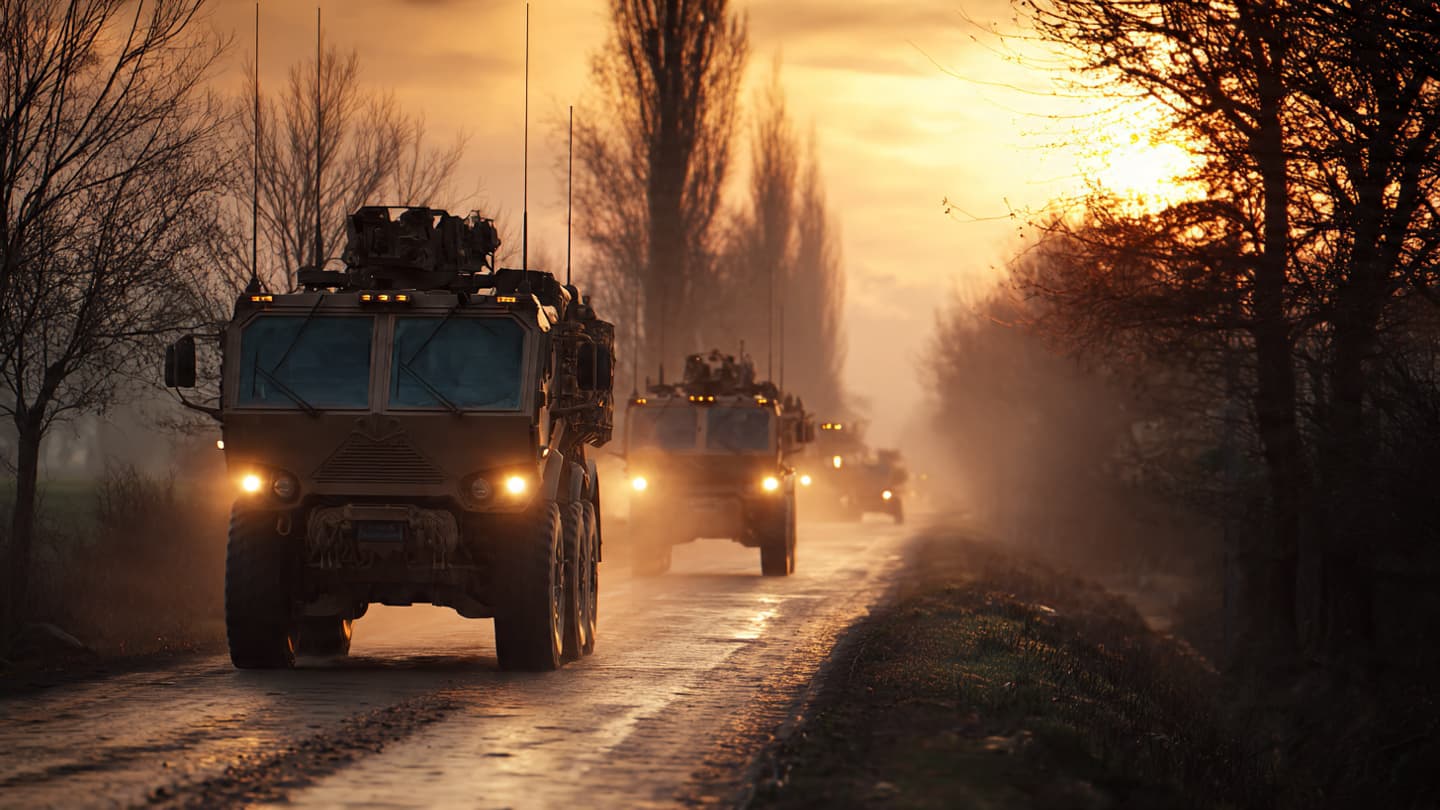
Morning in Brussels often begins beneath low clouds and the muted rhythm of diplomacy. Black sedans move quietly through wet streets near NATO headquarters, where rows of national flags shift gently in the wind outside vast glass buildings designed to symbolize permanence and unity. Inside, conversations unfold in measured language — briefings, assessments, strategic reviews — yet beneath the formal calm there is often an awareness that alliances, like seasons, are never entirely fixed.
That uncertainty has begun to settle once again over the Atlantic partnership.
According to officials and defense sources familiar with ongoing discussions, the United States is preparing plans that would reduce the number of military forces automatically available to NATO during future crises, signaling a significant shift in how Washington approaches its long-standing security role in Europe. The proposal, still under internal review, reflects broader efforts by American defense planners to redirect military focus toward Asia and emerging strategic competition with China, while encouraging European allies to assume greater responsibility for their own defense.
The change would not amount to a withdrawal from NATO itself. American troops would still remain stationed across Europe, and the United States would continue participating in alliance operations and nuclear deterrence structures. Yet the adjustment could reduce the pool of rapidly deployable American forces specifically earmarked for NATO emergency response plans, particularly during simultaneous global crises.
For many European officials, the discussion revives an old anxiety that has lingered quietly beneath the alliance for years: whether the United States, after decades as NATO’s central military pillar, is gradually redefining the limits of its commitments.
The timing carries particular weight. Since Russia’s invasion of Ukraine in 2022, NATO has undergone one of its most significant military expansions in decades. Defense budgets across Europe have risen sharply. Troop deployments along the alliance’s eastern flank have increased. Finland and Sweden moved toward deeper integration with Western security structures, while military planners prepared for the possibility that large-scale conflict on the continent could no longer be treated as unthinkable history.
Against that backdrop, even subtle reductions in American readiness resonate deeply across European capitals.
Officials familiar with the discussions say the Pentagon’s review reflects mounting concern over the strain placed on U.S. military resources by overlapping global demands. American naval deployments in the Middle East, continued support for Ukraine, and rising tensions surrounding Taiwan and the South China Sea have forced strategic planners to reconsider how quickly forces can respond across multiple theaters at once.
In Washington, the shift also reflects a broader evolution already underway for years. Successive administrations — Republican and Democratic alike — have increasingly described China, rather than Russia, as the defining long-term strategic challenge facing the United States. That perspective has gradually reshaped defense spending, naval priorities, technological development, and alliance planning.
For European allies, however, geography imposes a different urgency. Russia’s proximity means that security concerns remain immediate and physical rather than theoretical. Border states such as Poland and the Baltic nations continue pressing for stronger deterrence measures and long-term American presence, viewing U.S. military capacity as essential to NATO’s credibility.
Yet there is also recognition within Europe that dependence on Washington has become increasingly difficult to sustain politically and strategically. French President Emmanuel Macron has repeatedly argued for greater “strategic autonomy” within Europe, while Germany and other nations have accelerated military modernization efforts after years of underinvestment. Quietly, many NATO officials acknowledge that Europe may eventually need to carry more of its own defensive burden regardless of American policy shifts.
The alliance itself was born from another era of uncertainty. Formed in the aftermath of World War II and hardened during the Cold War, NATO long rested upon the assumption that American military power would anchor European security indefinitely. That assumption shaped generations of planning, diplomacy, and political identity across both sides of the Atlantic.
But alliances evolve alongside the pressures surrounding them. Economic realities change. Strategic priorities shift. Public opinion moves gradually beneath political rhetoric. What once appeared permanent begins adapting to new circumstances, often slowly enough that the transformation is only visible in hindsight.
For now, officials stress that no final decisions have been formally announced and discussions remain ongoing within defense and diplomatic circles. NATO representatives continue publicly emphasizing alliance unity and collective defense commitments. American officials likewise insist that the United States remains fully committed to NATO’s Article 5 security guarantees.
Still, the conversations themselves reveal something important about the current moment: a growing recognition that the post-Cold War structure of global security may be entering another period of transition.
Outside NATO headquarters, evening eventually settles across Brussels. The flags remain in place beneath dim lights, their movement quieter after the day’s meetings conclude. Yet within those buildings, planners continue measuring distances — between continents, between crises, and between old assumptions and emerging realities.
For Europe and the United States alike, the alliance endures. But endurance, increasingly, may no longer mean unchanged.
AI Image Disclaimer: Illustrative visuals in this article were created with AI tools and do not depict actual photographs or events.
Sources:
Reuters Financial Times Politico Europe Associated Press NATO Publications
Note: This article was published on BanxChange.com and is powered by the BXE Token on the XRP Ledger. For the latest articles and news, please visit BanxChange.com