
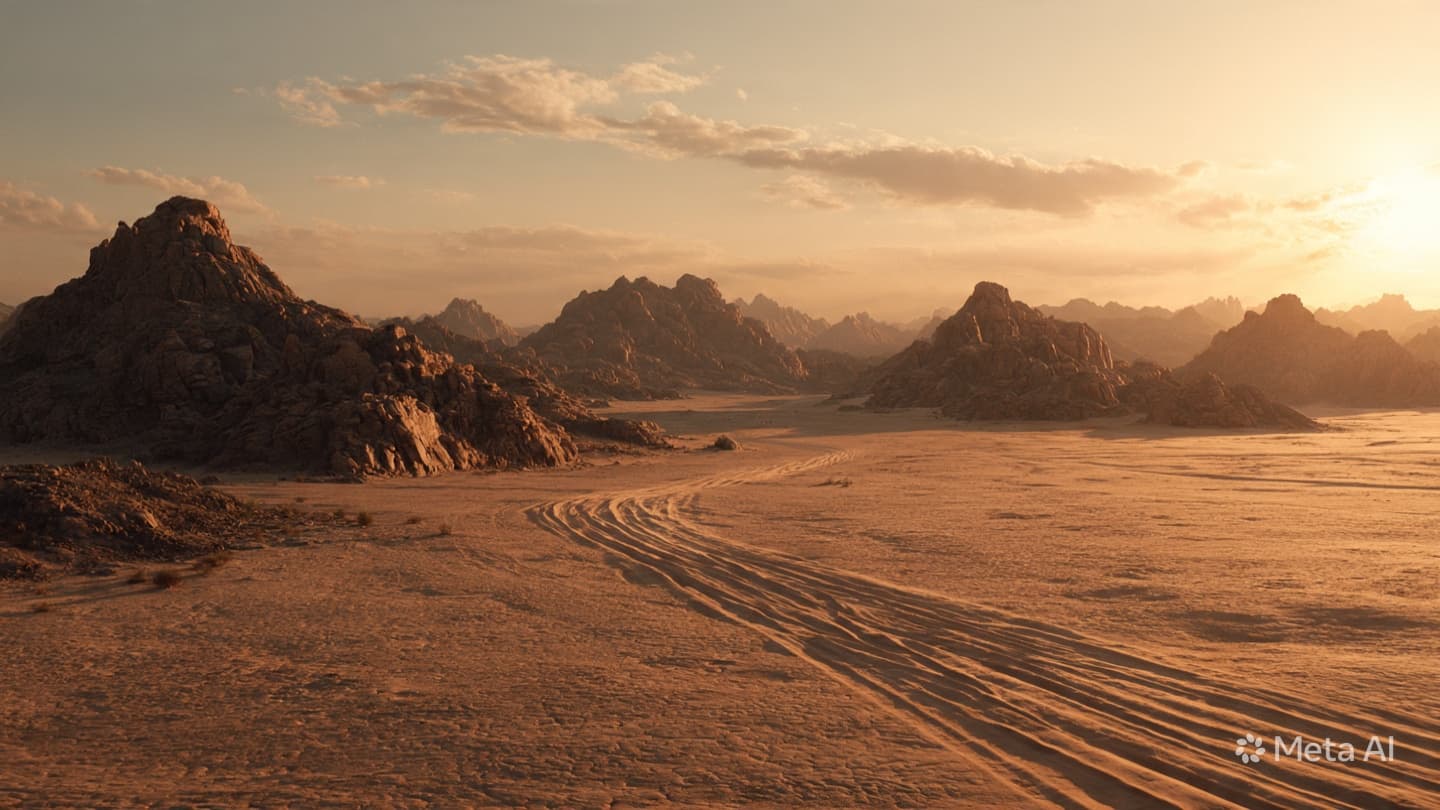
The northern corridors always seem wrapped in an unyielding stillness, a vast expanse where the baking heat meets a landscape scarred by old demarcations. Here, the sand shifts continuously under the relentless sun, swallowing the footprints of those who attempt to bypass the formal checks. It is an isolated region where the concept of a boundary feels entirely fluid, shifting with the wind rather than obeying the rigid lines drawn on political maps.
Those who observe these paths from a distance notice a slow, quiet rhythm that defines the illegal operations across the rugged terrain. Movement rarely happens in the blinding glare of the afternoon, choosing instead the deep shadows of the early dawn or the late evening twilight. There is a heavy patience to this traffic, a silent coordination among networks that have operated in the margins for generations.
The dry riverbeds and hidden mountain passes provide a natural veil, turning the rugged landscape into a labyrinth of unmonitored entry points. Small groups move with absolute stealth, carrying bundles of contraband or guiding individuals through the desolate expanses where water is scarce and help is far away. Every journey is a quiet gamble against the harsh environment and the sudden appearance of border patrols.
Despite periodic efforts to seal the perimeter, the sheer vastness of the geography makes absolute enforcement an elusive goal for local authorities. The rocky outcroppings and deep ravines offer countless hiding places, allowing illicit networks to dissolve into the background at the first sign of movement. It is a persistent game of observation and evasion played out across hundreds of miles of empty country.
The scent of the lowlands is a dry mixture of dust, sun-baked clay, and the faint bitterness of sparse vegetation clinging to life. It is an environment that demands absolute submission from anyone attempting to cross it, punishing hesitation with extreme heat and dehydration. Yet, the economic realities of the region continue to drive the steady trickle of traffic through these forgotten gates.
As night descends, the desert temperature drops rapidly, wrapping the entire border zone in a sharp, crystalline chill that cuts through thin clothing. The stars emerge with incredible clarity, casting a pale, milky light over the jagged hills and illuminating the silhouettes of long-abandoned outposts. In the dark, the quiet rustle of wind through dry grass is easily mistaken for the stealthy footsteps of travelers.
Local monitoring groups report that the underlying infrastructure supporting these illicit routes remains deeply entrenched despite shifting regional alliances. The informal trade networks function as a shadow economy, responding directly to shortages of basic goods and fuel in the isolated interior settlements. Efforts to introduce stricter surveillance technologies face continuous challenges from the harsh climate and lack of power.
The cycle of movement shows no signs of slowing, driven by forces far more powerful than the simple presence of barbed wire or stone markers. Each morning brings a fresh layer of wind that sweeps across the paths, erasing the physical evidence of the night's passages but leaving the system fully intact. The corridors remain open in spirit, stubborn conduits of human desire and necessity cutting through the desolate earth.
The regional security council confirmed that enforcement operations along the designated western sector will receive additional resources starting next month. Border management personnel noted an increase in the seizure of unregistered consumer electronics and untaxed fuel shipments along the unregulated mountain passes. Regular patrols will continue to monitor the primary arterial dirt roads to stabilize trade flows and prevent unauthorized crossings.
Note: This article was published on BanxChange.com and is powered by the BXE Token on the XRP Ledger. For the latest articles and news, please visit BanxChange.com