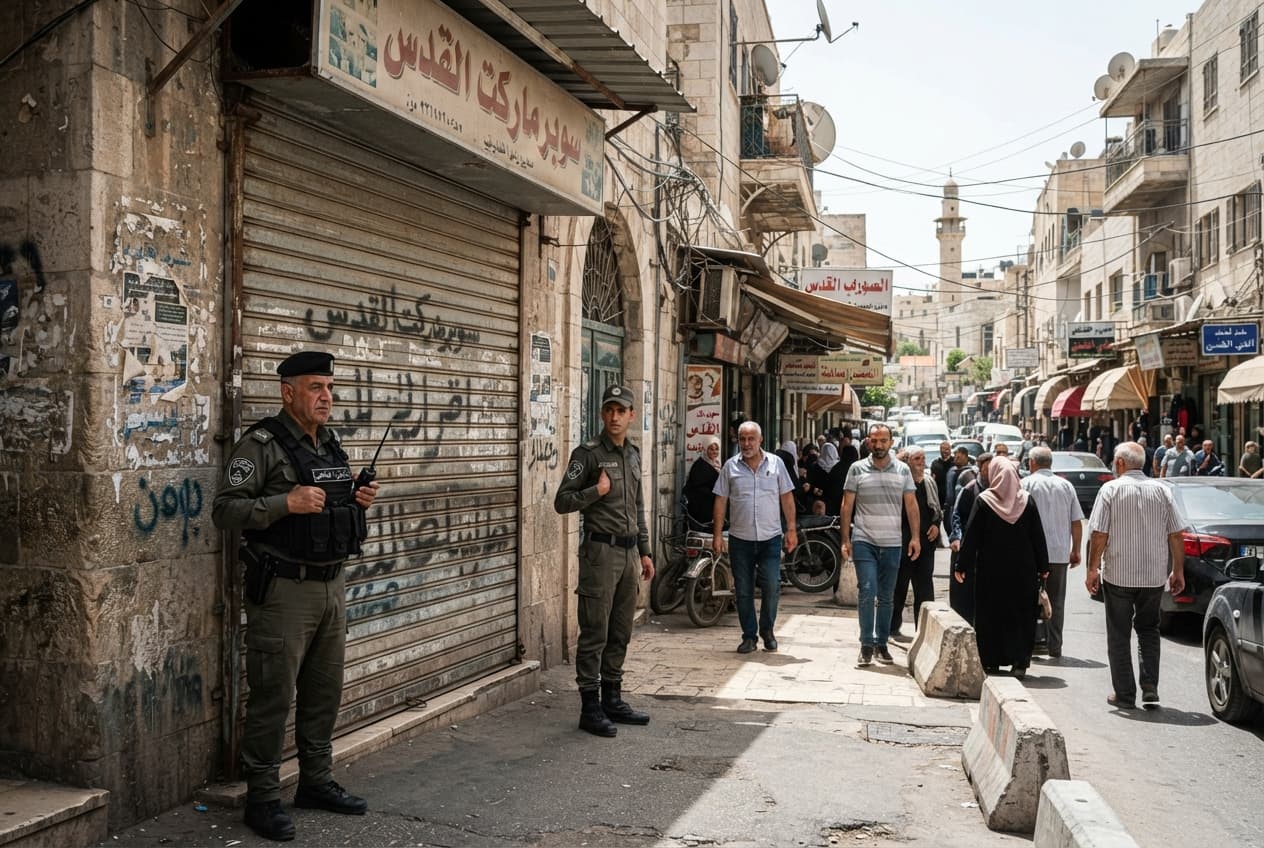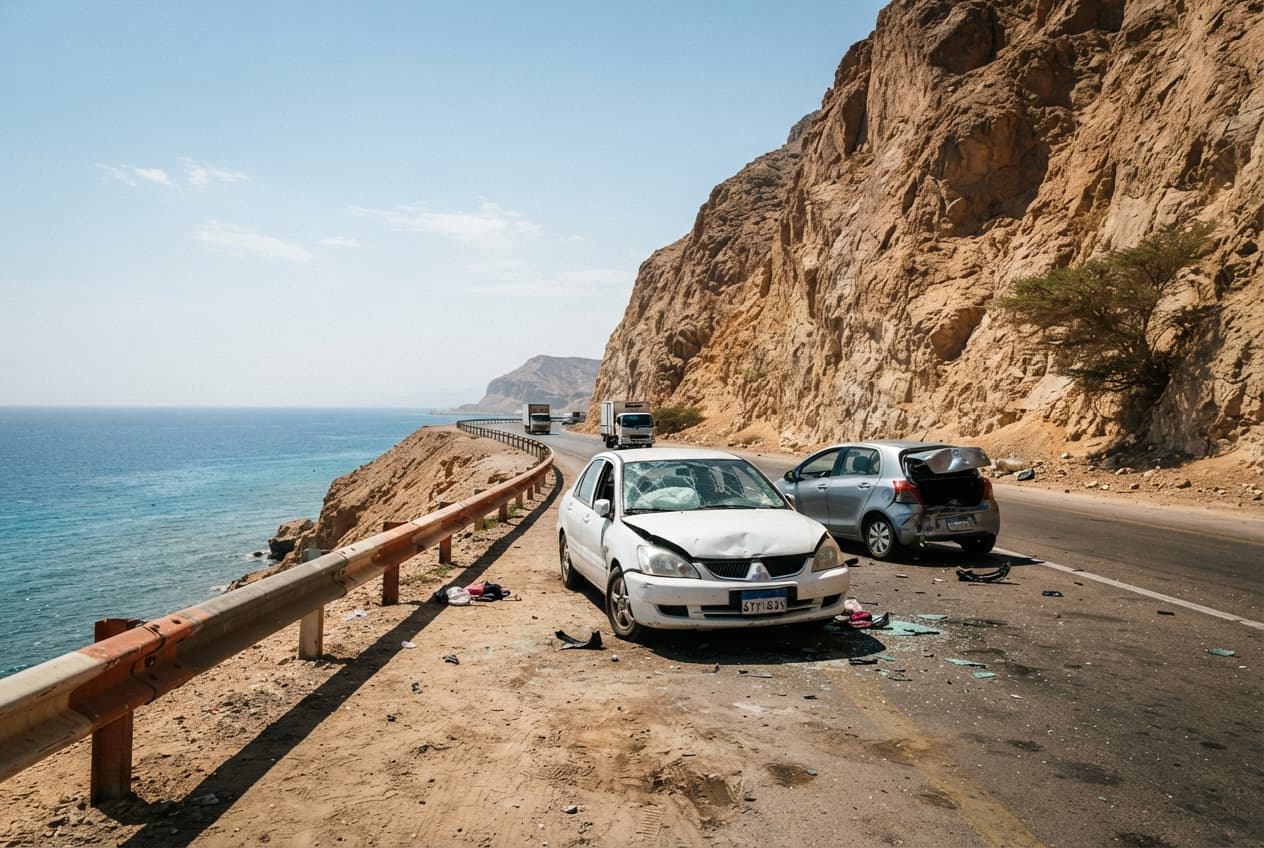
An economy is built on more than numbers, interest rates, and trade balances; it is sustained by the invisible currency of confidence. When citizens feel secure in their environment, money moves freely, shops remain open late, and the public square bustles with the energy of casual commerce. However, when an undercurrent of anxiety begins to ripple through the social fabric, the economic behavior of an entire population shifts in subtle, defensive ways. In recent months, a sobering conversation has taken hold within the public consciousness, driven by a noticeable rise in violent crime trends. The changing nature of security is no longer just a topic for specialized policy analysts or late-night broadcasts; it has become a tangible presence in the daily lives of ordinary people. This shifting atmosphere manifests not as a sudden panic, but as a quiet, collective withdrawal from the vibrant public life that once characterized the urban centers. This psychological retreat has an immediate, measurable impact on the domestic market, particularly within the retail and hospitality sectors. Families who once dined out on weekend evenings now choose to remain at home, and the late-night foot traffic that sustained neighborhood businesses has begun to thin out. The simple act of stepping out for a casual purchase is increasingly weighed against a heightened perception of risk. Macroeconomic stability relies heavily on the predictability of consumer spending, a variable that becomes highly volatile when public anxiety rises. When people begin to restrict their movements to essential errands, discretionary spending on entertainment, dining, and luxury goods experiences a noticeable contraction. The loss is felt acutely by small business owners, who operate on narrow margins and depend on the casual, spontaneous patron. The changing atmosphere also influences long-term financial decisions, causing households to prioritize security investments over ordinary consumption. Funds that might have gone toward home renovations or domestic travel are instead diverted toward installing alarm systems, reinforcing entryways, or moving to gated communities. This reallocation of capital reflects a deeper shift in priorities, where personal safety eclipses standard economic aspirations. Within the business community, there is a growing concern that this climate of unease could undermine the broader economic gains achieved in recent years. A country known for its social stability and predictable institutional environment risks losing its competitive edge if safety becomes a persistent question mark. The challenge for policymakers is to address the root causes of this violence before the economic hesitation becomes deeply structural. The landscape of the city after dusk tells the story of this economic caution better than any statistical ledger. Windows that once displayed brightly lit goods are covered by heavy metal shutters earlier each evening, and the lively chatter of outdoor cafes is replaced by the hum of private security patrols. The city is adapting to a more defensive posture, a collective pause as it searches for a return to equilibrium. In their latest quarterly assessment, national economic analysts noted that domestic consumption figures have shown a flatlining trend, correlated with dropping consumer confidence indices linked directly to security concerns. Interior ministry reports indicate a concentrated effort to deploy specialized policing units to high-crime urban nodes to counter the rise in lethal violence. Financial sector representatives continue to warn that persistent public anxiety could impact retail revenue targets ahead of the upcoming seasonal cycle.
Published by Banx Network. This article is part of the Banx decentralized media programme, powered by the BXE token on the XRP Ledger.